Guatemala is Central America at its most intense — ancient Mayan temples rising from jungle canopy, a colonial city surrounded by active volcanoes, a lake considered the most beautiful in the world, and a living indigenous culture that predates Columbus by millennia. The country is rough around the edges and not always easy to travel in, but that rawness is exactly what makes it rewarding. Chicken buses blast reggaeton along mountain roads, markets explode with colour and handwoven textiles, and the food — built on the ancient trinity of corn, beans, and chocolate — has a depth that surprises everyone. Guatemala demands more effort than its neighbours and repays it tenfold.
- Explore the Mayan Ruins of Tikal
- Sail Across Lake Atitlan
- Wander the Colonial Streets of Antigua
- Swim in the Turquoise Pools of Semuc Champey
- Hike Acatenango Volcano and Watch Fuego Erupt
- Shop the Chichicastenango Market
- Explore the Ruins of Iximche
- Visit the Painted Town of Livingston
- Learn to Weave in San Juan La Laguna
- Walk Through the Ruins of Quirigua
- Ride a Chicken Bus
- Drink Single-Origin Guatemalan Coffee at a Finca
1. Explore the Mayan Ruins of Tikal
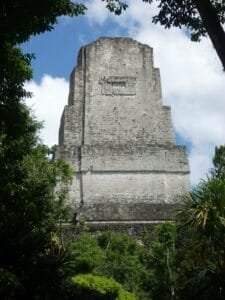
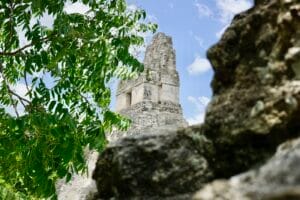
Rising above the jungle canopy in the Peten lowlands, Tikal was one of the most powerful city-states in the ancient Maya world, and climbing Temple IV to look out over the treetops as howler monkeys roar below is one of the great archaeological experiences on earth. The site is enormous — budget at least five hours. Entry is 150 GTQ for foreigners. Hire a guide for 300-400 GTQ to understand the complex history. Sunrise tours depart at 4 AM and are worth the early start. Stay in Flores, a charming island town on Lake Peten Itza, 60 kilometres south.
2. Sail Across Lake Atitlan
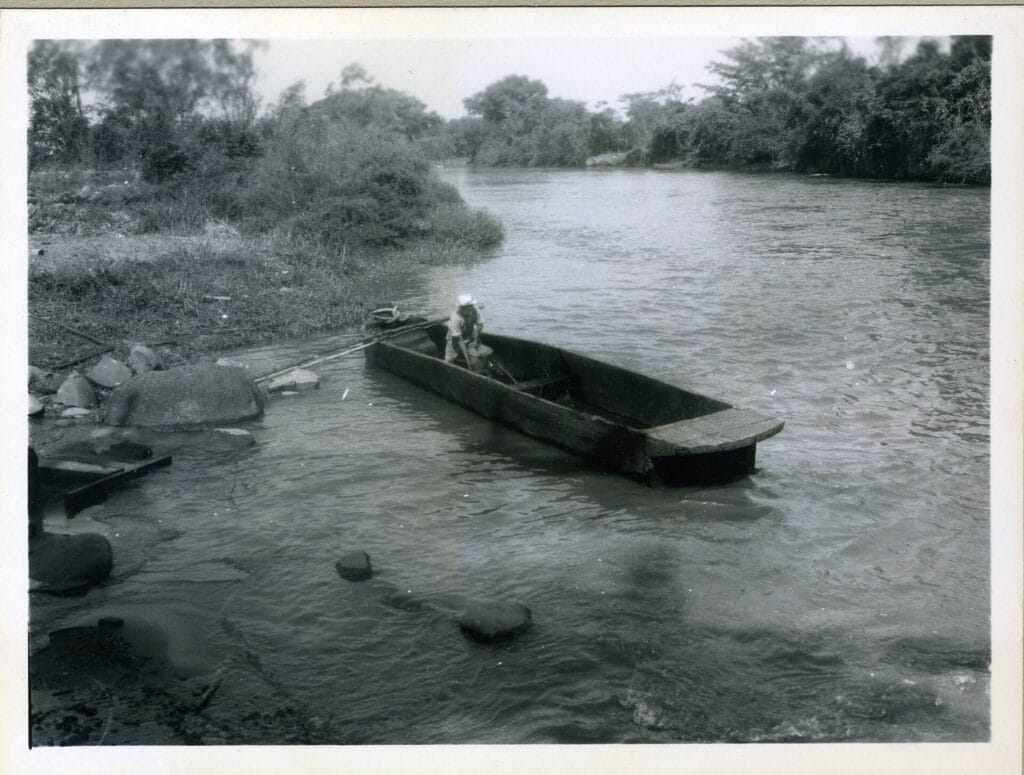
Aldous Huxley called it the most beautiful lake in the world, and the three volcanoes rising from its shores make a strong case. Public lanchas (boats) connect a dozen lakeside villages, each with its own character — San Marcos for yoga and hippie vibes, San Juan for weaving cooperatives, Santiago for Maximon worship, and Panajachel as the main hub. Boat rides cost 25-35 GTQ between villages. The lake is best in morning light before afternoon clouds roll in. A week barely scratches the surface of the communities around the shore.
3. Wander the Colonial Streets of Antigua
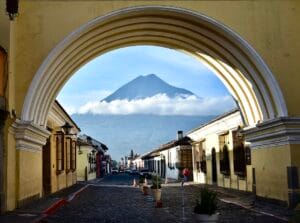
Guatemala’s former capital is a UNESCO World Heritage city of cobblestone streets, pastel-coloured Spanish colonial buildings, and massive ruined churches, all framed by the conical Volcan de Agua to the south. The Santa Catalina Arch is the most photographed landmark. Central Park’s fountain and surrounding cafes are the social hub. Chocolate museums, jade workshops, and rooftop bars with volcano views fill the days. The city is compact and walkable. Budget 2-3 days minimum.
4. Swim in the Turquoise Pools of Semuc Champey
A natural limestone bridge over the Cahabon River in the Alta Verapaz highlands creates a series of stepped turquoise pools surrounded by jungle. The hike to the viewpoint is steep and muddy but the panorama of cascading pools below is extraordinary. Entry is 50 GTQ. The nearby K’anba caves can be explored by candlelight, wading through underground rivers. Getting to Semuc Champey from Lanquin takes an hour on a rough dirt road by 4WD shuttle — the journey is an adventure itself.
5. Hike Acatenango Volcano and Watch Fuego Erupt
The overnight hike up Acatenango volcano (3,976 metres) rewards with front-row views of neighbouring Volcan de Fuego erupting every 15-20 minutes — sending plumes of ash and glowing lava into the night sky from just 4 kilometres away. Guided tours from Antigua cost 350-500 GTQ including tent, dinner, and breakfast. The hike is strenuous — 6 hours up through cloud forest to a campsite above the treeline. Cold temperatures (below freezing) at the summit require warm layers. Clear nights offer eruption views and stars.
6. Shop the Chichicastenango Market
The highland town of Chichi hosts one of the largest and most colourful indigenous markets in the Americas every Thursday and Sunday. Thousands of K’iche’ Maya vendors fill the streets with handwoven textiles, carved masks, pottery, jade, and fresh produce. The church of Santo Tomas on the market steps hosts simultaneous Catholic and Maya rituals with copal incense. Arrive early — by 7 AM the best textiles are being laid out. Bargain respectfully. The market winds down by 3 PM.
7. Explore the Ruins of Iximche
This post-classic Maya capital of the Kaqchikel people near Tecpan was founded in 1470 and served briefly as the first Spanish colonial capital. The site has plazas, ball courts, and temples still used for Maya ceremonies by local indigenous communities. Entry is 50 GTQ. It is far less crowded than Tikal and the setting on a pine-forested plateau is peaceful. Ceremonial fires with copal incense burn at the altars on auspicious calendar days. A guide adds context for 100-200 GTQ.
8. Visit the Painted Town of Livingston
This Garifuna town on the Caribbean coast is only reachable by boat and has a completely different culture from the rest of Guatemala — Afro-Caribbean music, coconut-based cuisine, and a laid-back reggae atmosphere. Boats from Rio Dulce cost 125-150 GTQ and the two-hour journey through a limestone canyon with tropical birds is spectacular. Tapado, a seafood coconut soup, is the local specialty. The Siete Altares waterfall hike is a 45-minute walk north along the beach.
9. Learn to Weave in San Juan La Laguna
The village of San Juan on Lake Atitlan is a centre for traditional Tz’utujil Maya weaving using backstrap looms and natural dyes from plants, insects, and minerals. Women’s cooperatives like Lema and Asociacion de Mujeres offer weaving workshops where you can learn the basics of backstrap loom weaving in two hours for 100-200 GTQ. Watching the natural dye process — cochineal insects for red, indigo for blue, avocado seeds for pink — is fascinating. Support the cooperatives by buying directly from the weavers.
10. Walk Through the Ruins of Quirigua
This small UNESCO site in the Motagua Valley has the tallest carved stelae in the Maya world — massive sandstone monoliths up to 10 metres tall covered in intricate carvings of rulers and mythological scenes. The zoomorphic altars, carved to resemble animals, are equally impressive. Entry is 80 GTQ. The site is compact and can be visited in 90 minutes. It is an easy stop between Rio Dulce and Copan (just across the border in Honduras). The craftsmanship on Stela E is breathtaking.
11. Ride a Chicken Bus
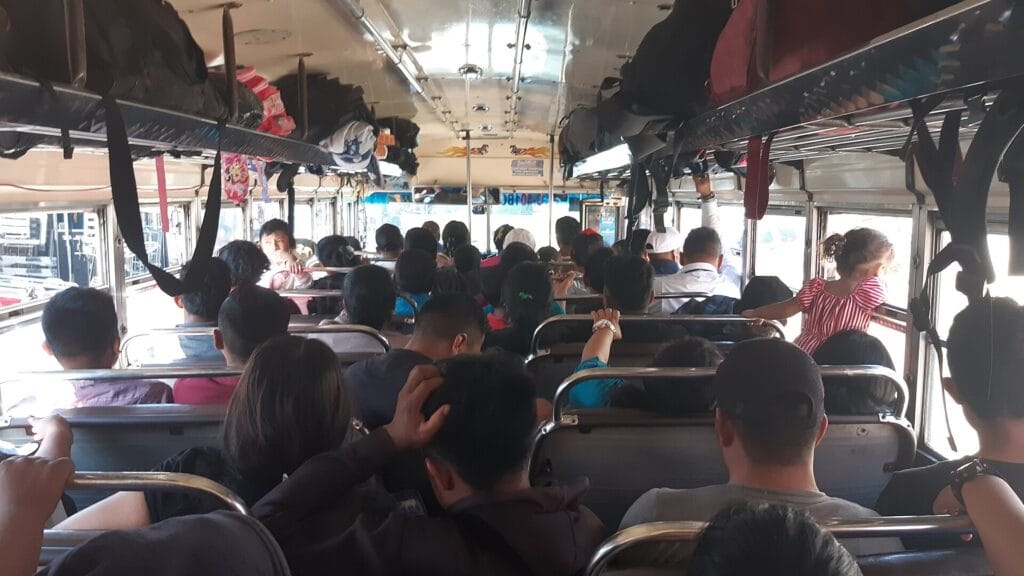
Guatemala’s camionetas — retired American school buses painted in wild colours and driven with terrifying bravado — are the country’s primary public transport and an essential cultural experience. The buses are crammed with locals, chickens, and goods, blast music, and hurtle through mountain switchbacks. Routes from Antigua to destinations like Lake Atitlan or Chichicastenango cost 20-40 GTQ. Sit near the front for the best view (and most terrifying driving experience). Keep valuables close and enjoy the ride.
12. Drink Single-Origin Guatemalan Coffee at a Finca
Guatemala produces some of the world’s finest arabica coffee, and touring a working coffee finca in the highlands around Antigua, Huehuetenango, or the Atitlan slopes is both educational and delicious. Finca Filadelfia near Antigua offers comprehensive tours from 130 GTQ covering the process from cherry to cup. De La Gente community tourism cooperative runs farm visits with local growers. Antigua’s cafe scene — Fernando’s Kaffee, Cafe Barista — serves excellent single-origin cups from 15-30 GTQ.
Practical Tips for Guatemala
Check our full Guatemala travel guide for detailed tips on transport, safety, money, and the best time to visit. For food recommendations beyond this list, see our Guatemala food guide.
Frequently Asked Questions
What are the top things to do in Guatemala?
The must-do experiences include Explore the Mayan Ruins of Tikal, Sail Across Lake Atitlan, and Hike Acatenango Volcano and Watch Fuego Erupt. Guatemala also offers incredible food, vibrant neighbourhoods, and easy day trips.
How many days do you need in Guatemala?
We recommend at least 3 to 4 days to cover the highlights, though a week lets you explore at a relaxed pace and add day trips.
Is Guatemala safe for tourists?
Guatemala is generally safe for tourists who take normal precautions. Stay aware of pickpockets in crowded areas and keep valuables secure.