
Last updated August 28, 2026 · Editorial policy
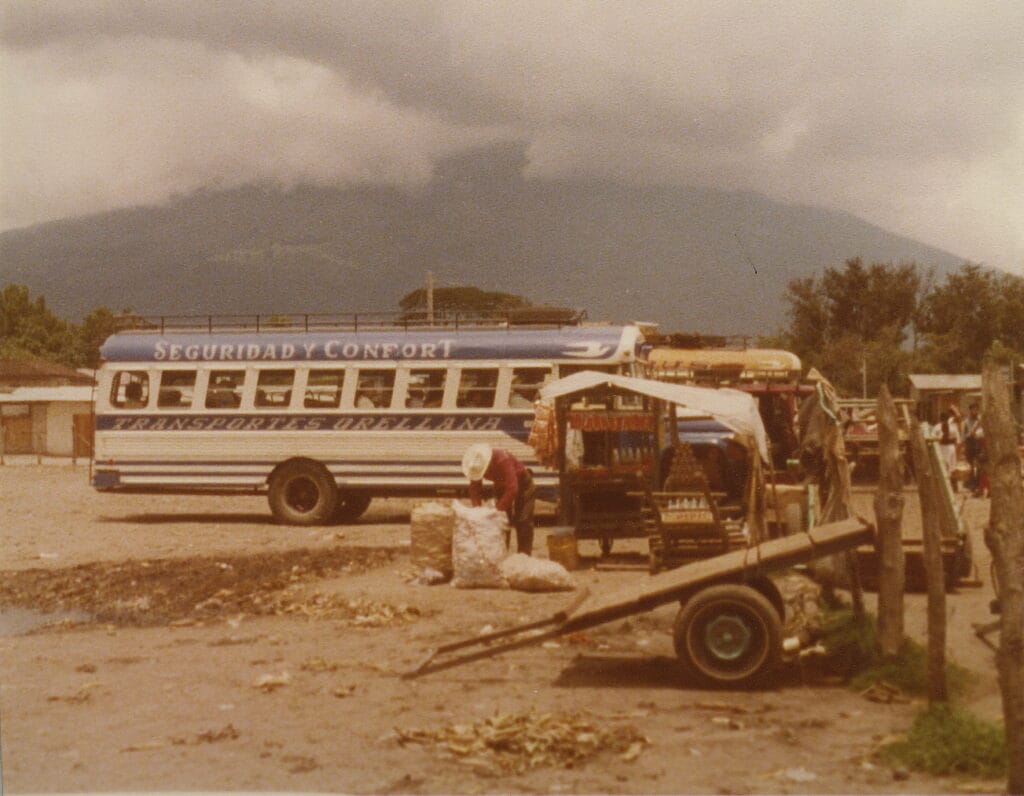
Guatemala’s transport is a patchwork of chicken buses, tourist shuttles, private drivers, and domestic flights connecting a country where distances are short on the map but long on the twisting mountain roads. The iconic chicken buses — retired US school buses painted in vibrant colours — are the cheapest and most atmospheric way to travel but can be uncomfortable and occasionally unsafe. Tourist shuttles offer a middle ground, and private drivers are affordable by Western standards. Lake Atitlán requires boat transport, and Tikal is best reached by domestic flight from Guatemala City. The roads are beautiful but slow.
More: When to visit Guatemala · Guatemala travel guide
Transport Options:
1. Tourist Shuttles
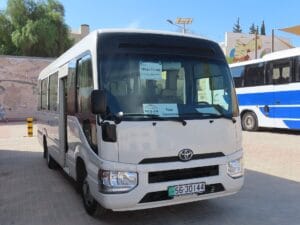
The most practical option for most visitors. Comfortable minivans run between major tourist destinations — Antigua, Lake Atitlán (Panajachel), Semuc Champey, Flores/Tikal, and Quetzaltenango. Companies like Adrenalina Tours, Atitrans, and GuateGo operate daily services. Antigua to Panajachel: 3 hours, 100-150 GTQ. Antigua to Flores: 10 hours overnight, 350-500 GTQ. Book through your hotel or online. Door-to-door pickup and drop-off. Air-conditioned and safe. Book a day in advance.
2. Chicken Buses (Camionetas)
Repurposed American school buses painted in wild colours — Guatemala’s primary public transport and a cultural experience. They run every route between every town, departing when full. Incredibly cheap (5-15 GTQ for most routes). The experience: loud music, packed passengers, roof luggage, and drivers who seem fearless on mountain curves. Antigua to Guatemala City: 1 hour, 10 GTQ. Not recommended for long journeys or routes through Guatemala City due to safety concerns. Keep valuables hidden.
3. Domestic Flights
TAG and Transportes Aéreos Guatemaltecos fly small planes from Guatemala City (La Aurora airport) to Flores (for Tikal) in 1 hour — versus 8-10 hours by road. Flights cost 150-250 USD one-way. Essential for time-limited visitors who want to see Tikal. Flights also serve Quetzaltenango. Book directly with airlines or through travel agents. Weight limits apply. The alternative overnight bus from Antigua to Flores takes 10 hours.
4. Lanchas (Boats on Lake Atitlán)
Public lanchas (small motorboats) are the only way to travel between the villages ringing Lake Atitlán. Panajachel is the main hub with frequent boats to San Pedro La Laguna (25 GTQ, 25 minutes), San Marcos (25 GTQ, 15 minutes), Santiago Atitlán (25 GTQ, 30 minutes), and other villages. Boats leave when full from the main docks. Private lanchas can be chartered for 200-400 GTQ. The lake crossing with volcano views is one of Guatemala’s most scenic journeys. Life jackets should be available — check before boarding.
5. Taxis and Tuk-Tuks
Taxis operate in Guatemala City, Antigua, and major towns. In Antigua, tuk-tuks (three-wheeled motorbike taxis) are the primary local transport — 10-20 GTQ for rides within town. In Guatemala City, use only radio-dispatched taxis or Uber — do not hail on the street for safety. Uber works reliably in Guatemala City and Antigua. A tuk-tuk around Antigua’s cobblestoned centre is a quick and fun way to move between sites. Always agree on the fare before boarding tuk-tuks.
6. Private Drivers and Transfers
Hiring a private driver is affordable and the most comfortable option — expect 800-1,500 GTQ per day depending on distance. Hotels and tour agencies arrange drivers. Useful for the Guatemala City to Antigua transfer (1 hour, 300-500 GTQ), Antigua to Lake Atitlán (3 hours), and custom itineraries. Drivers often speak some English and can serve as informal guides. For Tikal, multi-day packages with driver, hotel, and guide are the most efficient approach.
Transport Tips for Guatemala
Tourist shuttles are the best balance of safety, comfort, and price. Avoid chicken buses for long distances or routes through Guatemala City — safety concerns are real. Uber works in Guatemala City and Antigua — use it instead of street taxis. Book Tikal flights well ahead in peak season (November-April). Lake Atitlán boats stop running by 5 PM — don’t get stranded. Guatemala City traffic is terrible — avoid driving. Roads between destinations are slow (average 30-40 km/h on mountain routes). Travel during daylight hours when possible.
What is the best way to get around Guatemala?
The most practical options are Tourist Shuttles and Chicken Buses (Camionetas). The most practical option for most visitors. Comfortable minivans run between major tourist destinat…
Do I need a car in Guatemala?
Most travelers skip renting. Tourist shuttles like Atitrans and Adrenalina connect Antigua, Lake Atitlan, and Lanquin; Uber covers Guatemala City and Antigua; lanchas cross the lake. Rent a 4×4 only for remote areas like Semuc Champey back roads, since highland routes are steep and city driving is chaotic.
Is public transport safe in Guatemala?
Mostly, with caveats. Tourist shuttles and first-class Pullmans like Litegua are reliable; chicken buses see pickpocketing and occasional robberies, especially around Guatemala City. Keep bags on your lap, avoid night rides, and use Uber instead of hailing street taxis in the capital.
Related Articles
Frequently Asked Questions
You Might Also Love



Written by
John Morrison is the founder and lead travel writer at Packzup. Over the past decade he has explored destinations across Africa, the Americas, Asia, Europe, the Middle East, and Oceania — always self-funded, never on a press trip.
