
Last updated September 10, 2026 · Editorial policy
Morocco vs Portugal: traveler quick facts
Quick facts: Morocco runs about $45-90/day mid-range (Budget-friendly) vs Portugal at about $100-180/day (Moderate). Morocco is roughly 52% cheaper per day mid-range.
| Traveler factor | Morocco | Portugal |
|---|---|---|
| Daily cost (mid-range) | $45-90 (Budget-friendly) | $100-180 (Moderate) |
| Tourist tax | Municipal tourist tax (taxe de sejour / TPT) charged per person per night, tiered by accom | EUR 4.00 per person per night |
| Tipping | Expected | Optional / appreciated |
| Plug & voltage | C, E | 230V | C, F | 230V |
| Adapter needed from US | Yes | Yes |
Compiled from Packzup's Travel Cost Index, Tourist Tax Index, Tipping Index and Power Plug Index — updated 2026. Costs are per person, mid-range, excluding flights.
- Cost comparison: Morocco wins, and it is not close
- Food: two completely different kinds of delicious
- Beaches and nature: cliffs versus dunes
- Cities and culture: sensory overload versus easy charm
- Weather and when to go
- Getting around and safety: the honest section
- Nightlife and vibe
- Morocco or Portugal: the honest verdict
- FAQ
- Which is better for your trip, Morocco or Portugal?
If you have had the World Cup on in the background all summer, you already know these two countries take football personally. Morocco delivered one of the great underdog runs in tournament history in 2022, Portugal has spent two decades producing players the rest of the world envies, and with the 2026 World Cup lighting up screens across the USA, Canada, and Mexico this July, both flags have been impossible to miss.
But this is not a football article. It is a travel comparison, and it is one I get asked about constantly, because Morocco and Portugal sit remarkably close together on the map yet feel like different planets. One is mint tea, labyrinthine medinas, and glorious sensory overload; the other is grilled sardines, azulejo tiles, and some of the easiest, friendliest travel in Europe. I have paid my own way through both countries, been ripped off in one and overcharged for a pastel de nata in the other, and this is the honest breakdown of which one deserves your next trip.
| Category | Morocco | Portugal | Winner |
|---|---|---|---|
| Daily budget | $35–55 (budget) | $60–95 (budget) | Morocco |
| Food | Tagines, street food, mint tea | Seafood, wine, pastries | Portugal (barely) |
| Beaches / Nature | Sahara, Atlas Mountains, surf coast | Algarve cliffs, Azores, Madeira | Tie |
| Cities & culture | Marrakech, Fes, Chefchaouen | Lisbon, Porto, Sintra | Morocco |
| Weather | Extreme inland, mild coast | Mild almost everywhere | Portugal |
| Ease of travel | Rewarding but demanding | Effortless | Portugal |
| Nightlife | Low-key, rooftop-centric | Bairro Alto until sunrise | Portugal |
| Value for money | Exceptional | Good for Western Europe | Morocco |
When to go: Morocco vs Portugal
Measured, not guessed — five years of climate normals (WMO 1991–2020, or ERA5 2019–2023 where unavailable). Months are ranked by how close the average high sits to 25°C, penalised by wet days.
Morocco
- Best month
- November
- Then expect
- 24.5°C · 3 wet days
- Next best
- April, February
- Wettest month
- March (7 wet days)
Portugal
- Best month
- July
- Then expect
- 28.4°C · 0 wet days
- Next best
- August, June
- Wettest month
- April (10 wet days)
- Different windows — Morocco peaks in November, Portugal in July. If your dates are fixed, that is the deciding factor.
- Portugal is the drier bet at its peak — 0 wet days vs 3.
- Biggest split is July — Morocco is 10.8°C warmer that month.
Source: climate normals (WMO 1991–2020, or ERA5 2019–2023 where unavailable) via Open-Meteo, CC BY 4.0 — Packzup Travel Climate Dataset (open data).
Cost comparison: Morocco wins, and it is not close
Let me put real numbers on this, because “Morocco is cheap” is vague to the point of useless. On a backpacker budget in Morocco, $35–55 a day is genuinely comfortable: a bed in a hostel or basic riad runs $10–25, a bowl of harira or a street-side tagine costs $2–6, and a train between major cities is often under $15. Mid-range travelers should plan on $80–130 a day, which in Morocco buys something special — a gorgeous traditional riad with a courtyard pool for $40–90 a night, restaurant dinners for $10–20, and a guided day trip thrown in. Luxury starts around $200–350 a day, and Marrakech riads at that price point embarrass European hotels charging double.
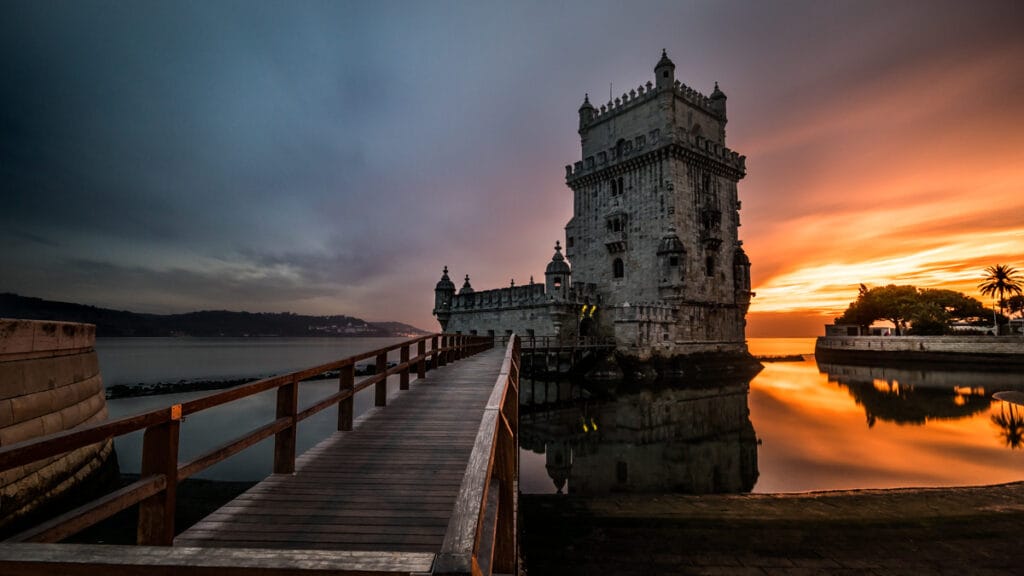
Portugal is the cheapest country in Western Europe, but that sentence is doing less work every year. Lisbon hostel dorms now run $25–45, a modest double hotel room in the center is $90–150 in season, and while the blessed prato do dia lunch deal still exists ($10–15 for a plate, drink, and coffee), dinner in tourist neighborhoods creeps toward Paris prices. Budget travelers need $60–95 a day, mid-range $130–200, and luxury from $300 up. Porto and the interior are noticeably kinder to your wallet than Lisbon or the Algarve in August.
The verdict on cost is blunt: Morocco costs roughly half of what Portugal does at every tier, and among the affordable destinations I have compared — including in our Morocco vs Egypt matchup — Morocco remains one of the best-value countries you can fly to from North America.
Food: two completely different kinds of delicious
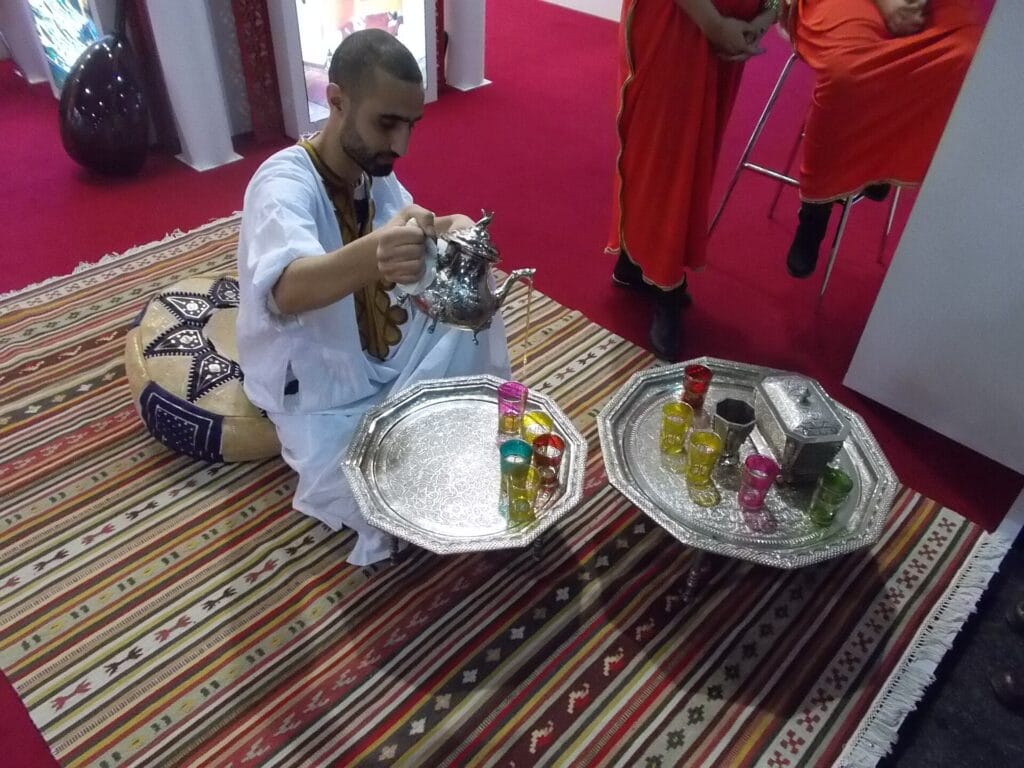
Moroccan food at its best is unforgettable. A lamb tagine with preserved lemon that has been burbling over coals all afternoon, fresh msemen flatbread with honey for breakfast, grilled sardines straight off the boat in Essaouira, and the theatrical chaos of the Marrakech night-market food stalls. Cooking classes in Fes and Marrakech are among the best food experiences I have had anywhere. The honest caveat: restaurant menus repeat themselves. After eight days you will have seen tagine, couscous, and brochettes on every menu, and alcohol with dinner ranges from pricey to unavailable depending on where you are.
Portugal wins on variety and drinks. Bacalhau served a different way every night, bifana pork sandwiches for a few dollars, the francesinha in Porto (order one, share it, respect it), custard tarts that ruin all other pastries forever, and seafood rice dishes that outclass restaurants charging triple elsewhere in Europe. Then there is the wine: vinho verde, Douro reds, and port tastings in Gaia, all absurdly affordable. If wine matters to your trip the way it does in our France vs Portugal comparison, Portugal takes this category. If you want the single most memorable meal of your year, Morocco still might sneak it.
Beaches and nature: cliffs versus dunes
Portugal packs an outrageous amount of coastline into a small country. The Algarve’s golden cliffs and sea caves around Lagos are as photogenic as anywhere in Europe, the wild Costa Vicentina is what the Algarve looked like before the crowds, Nazaré has the giant waves you have seen in videos, and then there are the islands: Madeira’s levada hikes and the Azores’ crater lakes are legitimately world-class. If a beach-and-islands trip is the goal — the same argument at the heart of our Greece vs Portugal comparison — Portugal delivers with almost no logistical pain.
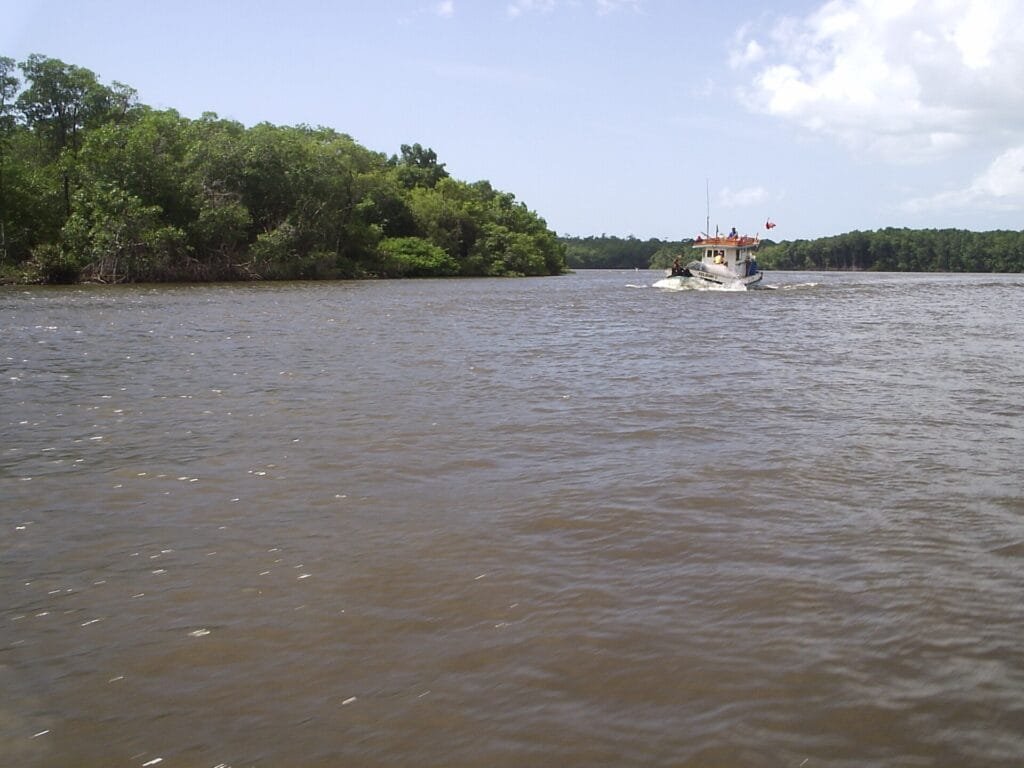
Morocco counters with drama Portugal simply cannot match. Riding a camel into the Erg Chebbi dunes and sleeping under Saharan stars is a bucket-list experience that costs less than a night in a Lisbon boutique hotel. The High Atlas offers serious trekking, the Todra Gorge is jaw-dropping, and the Atlantic coast at Taghazout and Tamraght has grown into one of the best-value surf destinations on earth. Moroccan beaches themselves are decent rather than dazzling, though. So: beaches go to Portugal, raw natural drama goes to Morocco, and the category is an honest tie.
Cities and culture: sensory overload versus easy charm
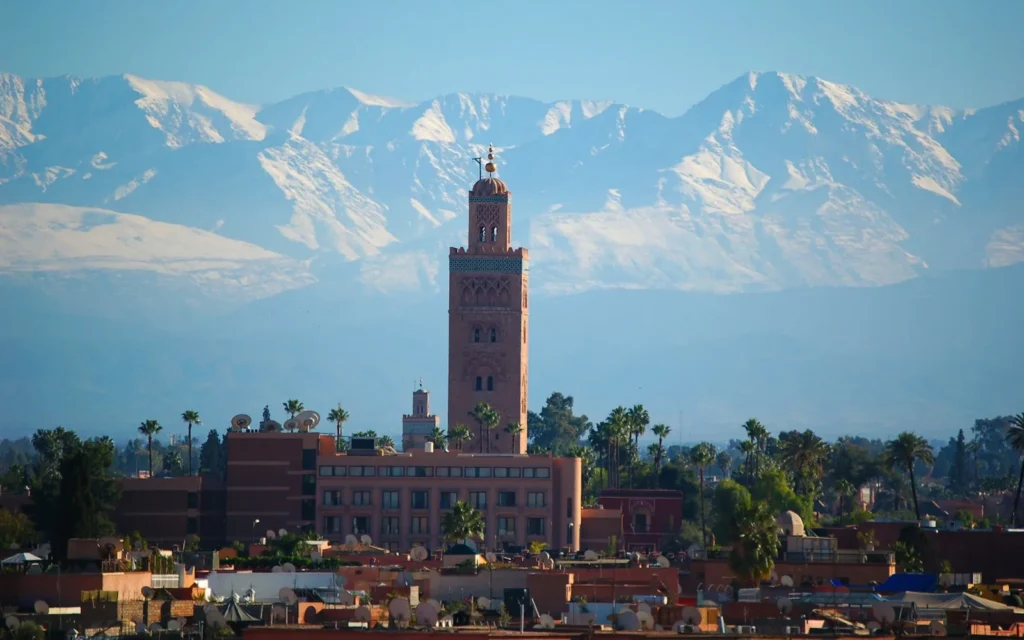
Nothing in Europe prepares you for Fes. The medina is a medieval maze of tanneries, donkey traffic, and artisan workshops that feels genuinely unchanged across centuries. Marrakech is more polished and more touristy but still intoxicating: the Jemaa el-Fnaa square at dusk, the Majorelle Garden, hammams, and souks where haggling is the local sport. Chefchaouen’s blue-washed lanes and the laid-back coastal grace of Essaouira round out a city lineup with more cultural distance from home than anywhere else you can reach in a seven-hour flight.
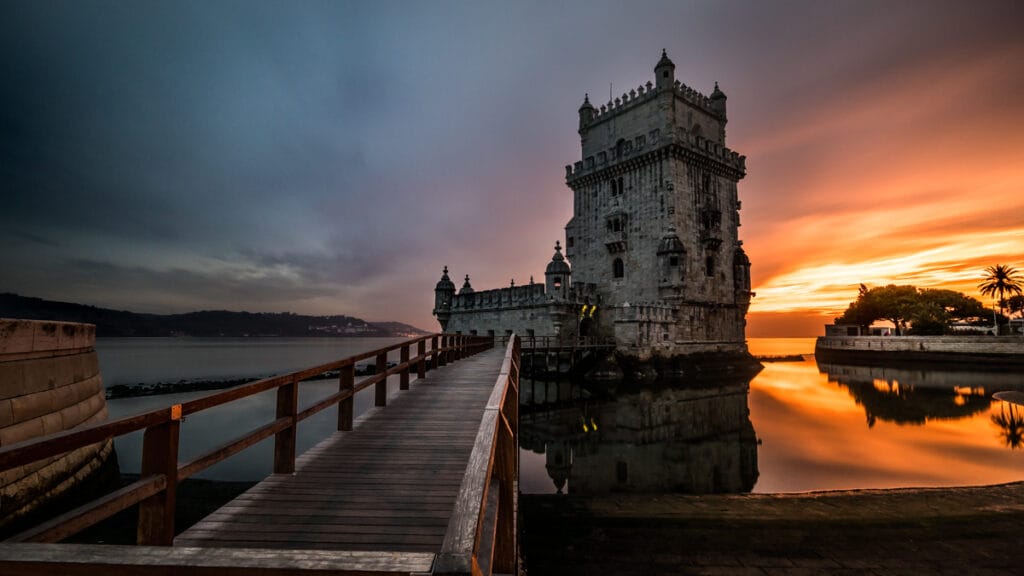
Portugal’s cities charm rather than overwhelm. Lisbon’s miradouro viewpoints, rattling yellow trams, and tiled facades; Porto’s bridges and port lodges stacked above the Douro; Sintra’s fairy-tale palaces an easy train ride away; university-town Coimbra and walled Évora for anyone going deeper. Fado music in a small Alfama tavern is one of Europe’s great intimate cultural experiences. But if the measure is culture that rearranges how you see the world, Morocco wins this category. Portugal feels like Europe at its loveliest; Morocco feels like another century.
Weather and when to go
Portugal is the easy one: mild, sunny, and forgiving nearly year-round. Lisbon winters hover around 50–60°F, summers are hot but rarely brutal on the coast, and the Algarve stays swimmable well into October. May, June, September, and October are the sweet spots, with occasional heat waves in the interior the main thing to dodge.
Morocco demands more planning. The coast around Casablanca, Essaouira, and Taghazout is mild all year, but Marrakech and Fes regularly blow past 100°F in July and August — I would not wander a shadeless medina at 2pm in high summer, and this July is exactly that. The desert flips the problem in winter, when nights in the dunes drop near freezing. Go in March to May or September to November and Morocco is glorious. Portugal takes the category purely because it punishes bad timing so much less.
Getting around and safety: the honest section
Portugal is about as easy as travel gets. Trains and buses connect everything cheaply, the Lisbon and Porto metros are clean and simple, English is widely spoken, and the country consistently ranks among the safest in the world. Your realistic worries are pickpockets on tram 28 and rental-car break-ins at beach trailheads. For US passport holders, Portugal is standard Schengen: 90 days visa-free in any 180-day period. The EU’s long-delayed ETIAS travel authorization may finally come online, so check the official EU site shortly before you fly rather than trusting any blog, including this one.

Morocco requires more of you, and pretending otherwise would be a disservice. The good news first: US citizens get 90 days visa-free with a simple passport stamp on arrival, the Al Boraq high-speed train between Tangier and Casablanca is a genuine highlight, and CTM and Supratours buses are comfortable and reliable. Violent crime against tourists is rare. The friction is the hassle: faux guides attaching themselves to you in Fes, taxi drivers refusing to use meters, carpet-shop pressure, and constant low-grade haggling that some travelers find fun and others find exhausting. Women traveling solo report noticeably more unwanted attention than in Portugal. None of this should stop you from going; all of it should shape your energy budget. Portugal wins ease of travel decisively.
Nightlife and vibe
Portugal parties. Bairro Alto in Lisbon is a hundred tiny bars spilling into the same few streets, Pink Street keeps going after they close, Porto’s Galerias district rolls deep on weekends, and Lagos in summer is a full-blown international party town. Even mid-size university cities out-drink most capitals. If late nights matter to you — a big factor in our Croatia vs Portugal comparison too — Portugal is comfortably ahead.
Morocco’s vibe after dark is different, not absent. Alcohol is legal but lives mostly in hotels, licensed restaurants, and the upscale lounges of Marrakech’s Gueliz and Hivernage districts, where the scene can be surprisingly glamorous and surprisingly expensive. The truer Moroccan night is a rooftop over the medina with mint tea, the roar of Jemaa el-Fnaa below, storytellers and food smoke and drums. It is magical. It is just not a pub crawl. Night owls should book Lisbon.
Morocco or Portugal: the honest verdict
For budget travelers: Morocco. Your money goes roughly twice as far, and the gap between what $80 a day buys in Marrakech versus Lisbon is almost comical. This is one of the clearest budget verdicts I have written.
For foodies: Portugal, by a nose. Morocco has higher single-meal peaks, but Portugal wins on variety, seafood, pastries, and wine you can drink with every meal without a treasure hunt.
For beach lovers: Portugal. The Algarve, the Costa Vicentina, Madeira, and the Azores form a coastal portfolio Morocco cannot match, even with its excellent surf towns.
For first-timers: Portugal. If this is an early international trip, Portugal’s safety, English, and effortless logistics make it nearly impossible to have a bad time. Save Morocco for when you have a little travel scar tissue — then it will blow your mind.
For travelers who want to be changed by a trip: Morocco. No contest. The medinas, the Sahara, the tea, the beautiful chaos — nothing in Western Europe hits like it.
FAQ
Is Morocco or Portugal cheaper to visit?
Can I combine Morocco and Portugal in one trip?
Which is better for a football-fan trip?
Is Morocco safe for first-time visitors?
Which is better for your trip, Morocco or Portugal?
For families
Verdict: Portugal wins for families. The Algarve is built for kids: calm, lifeguarded beaches at Lagos and Albufeira, water parks like Slide & Splash, and easy transfers from Faro airport, about 40 minutes to Albufeira and around an hour to Lagos. Morocco is a fantastic adventure for older children, camel rides in the Agafay desert, souk treasure hunts in Marrakech, but the haggling, traffic, and long drives between cities are tiring with little ones. Portugal also makes logistics painless: reliable trains, pharmacies everywhere, and restaurants that happily serve dinner at 6pm.
For couples & honeymoons
Verdict: Morocco wins for couples. A riad in the Marrakech medina with a private plunge pool and rooftop dinner costs what a mid-range chain hotel does in Lisbon, and nothing in Europe matches a night in a luxury desert camp under Sahara stars near Merzouga. Add hammam rituals for two and the blue lanes of Chefchaouen. Portugal counters well with Douro Valley wine estates and Sintra palaces, but Morocco delivers more once-in-a-lifetime moments per euro.
For budget travelers
Verdict: Morocco wins on a budget. A generous tagine costs 3 to 5 euros equivalent, decent riad rooms start around 25 to 40 euros, and intercity trains like Casablanca to Fes are cheap and comfortable. Portugal is still one of Western Europe’s best-value countries, Lisbon lunch menus run 10 to 14 euros, but accommodation in Lisbon and Porto has climbed sharply in high season. In Morocco your daily spend can realistically sit at half of what Portugal demands.
For surfers and beach lovers
Verdict: Portugal wins for beaches, Morocco for winter surf trips. Portugal has the wider beach payoff: the Algarve’s cliff-backed coves like Praia da Marinha, Ericeira’s World Surfing Reserve, and Nazare’s giant waves in autumn and winter. But from November to March, Taghazout and Imsouane near Agadir offer warm 20C afternoons, consistent right-hand point breaks, and cheap surf camps. You will still want a light wetsuit in the Moroccan Atlantic, but that beats the thick winter rubber Portuguese line-ups demand. Pick Portugal for a summer beach holiday, Morocco to escape winter and keep surfing.
Planning the trip? Go deeper with our Morocco Travel guide and best time to visit Portugal.
You Might Also Love




Written by
John Morrison is the founder and lead travel writer at Packzup. Over the past decade he has explored destinations across Africa, the Americas, Asia, Europe, the Middle East, and Oceania — always self-funded, never on a press trip.
