Quick Answer
The best chocolate destinations are Belgium (Brussels and Bruges), Switzerland, Turin in Italy, Paris, Oaxaca in Mexico, Ecuador and Tokyo. Belgium and Switzerland lead for craft confectionery; Ecuador, Costa Rica and São Tomé for origin and farm visits.
Chocolate destinations split into two kinds: the places that make it brilliantly and the places that grow it. Both are worth travelling for, and they teach you completely different things.
10 Chocolate Destinations
1. Brussels and Bruges, Belgium
The densest concentration of serious chocolatiers anywhere, and the home of the praline — invented in 1912 when Jean Neuhaus filled a chocolate shell.
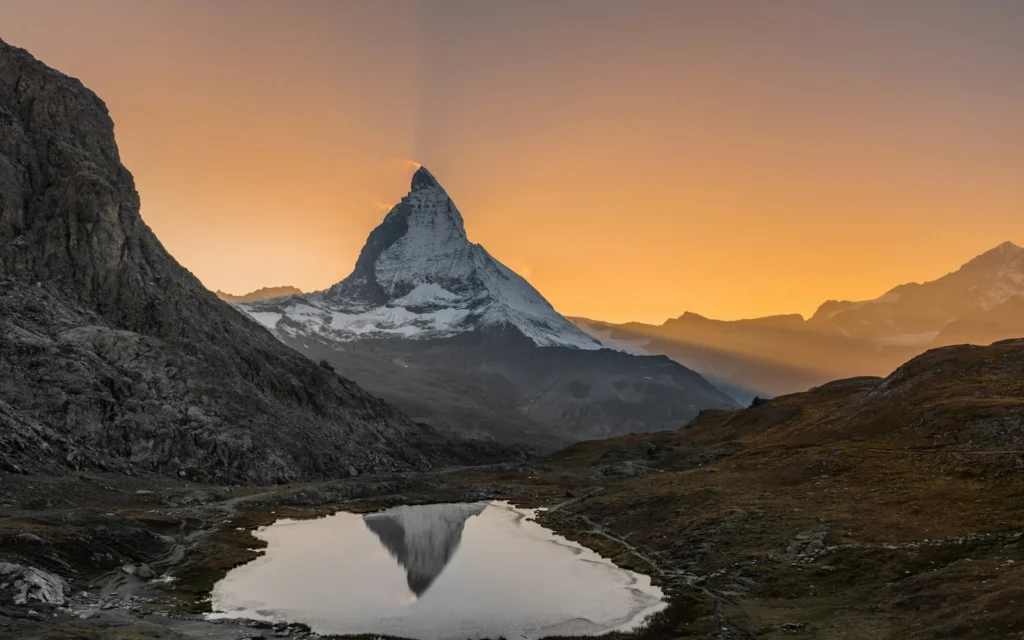
2. Switzerland
Best months: Jul–Sep · 15–24°C days · rainy (climate data)
Where milk chocolate and conching were invented, giving Swiss chocolate its characteristic smoothness. Several major producers run visitor centres.
3. Turin and Piedmont, Italy
Best months: Apr–Jun · 13–23°C days · rainy (climate data)
Home of gianduja — chocolate blended with hazelnut, created when cocoa was scarce during the Napoleonic blockade — and of bicerin, the layered chocolate-coffee drink.
4. Paris, France
Best months: Jun–Aug · 15–26°C days · some rain (climate data)
Less about volume than craft: a generation of chocolatiers working single-origin beans, several roasting in-house.

5. Oaxaca, Mexico
Best months: Dec–Feb · 7–23°C days · dry (climate data)
Chocolate here is a drink first, ground with almonds, cinnamon and sugar on stone mills you can watch working in the market.
6. Ecuador
Best months: Jun–Aug · 7–18°C days · some rain (climate data)
Source of the prized Nacional bean, and increasingly of bean-to-bar makers producing in-country rather than exporting raw.
7. Costa Rica and the Caribbean coast
Best months: Jan–Mar · 16–26°C days · dry (climate data)
Small cacao farms offering hands-on tours from pod to bar, often alongside rainforest reserves.
8. São Tomé and Príncipe
Once the world’s largest cocoa producer, now a small-scale origin with plantation stays for the genuinely committed.
9. Ghana and Côte d'Ivoire
Together they grow the majority of the world’s cocoa, though relatively little is processed locally — a fact worth understanding before buying.
10. Tokyo and the specialty scene
Best months: Sep–Nov · 14–22°C days · rainy (climate data)
Japan has become one of the most exacting bean-to-bar markets in the world, with makers sourcing single-estate beans and micro-batch roasting.
Buying and tasting well
Read the ingredients before the packaging. Good dark chocolate needs cocoa mass, cocoa butter, sugar and sometimes vanilla — nothing else. Vegetable fat other than cocoa butter, or a long ingredient list, signals an industrial product regardless of price or ribbon.
Percentage is not a quality score: a well-made 65% bar beats a poor 85% every time. What matters more is origin, bean variety and whether the maker roasts and conches themselves, which is what “bean to bar” actually means — as opposed to melting and remoulding someone else’s couverture.
Practically: chocolate hates heat and humidity, so carry it in hand luggage and eat it within weeks rather than months. If you are visiting cocoa origins, look for farms that ferment and dry on site, because fermentation is where most of the flavour is actually made — and ask how the farmers are paid, since the economics of cocoa remain the least appetising part of the story.
Frequently Asked Questions
Which country has the best chocolate?
Belgium and Switzerland for craft confectionery; Ecuador and São Tomé for exceptional origin beans.
Does a higher cocoa percentage mean better chocolate?
No. A well-made 65% bar beats a poorly made 85%. Origin, bean quality and processing matter far more.
What does bean-to-bar mean?
The maker roasts and conches the beans themselves, rather than remoulding chocolate produced by someone else.