Quick Answer
The best Latin American cities for long stays are Mexico City, Medellín, Buenos Aires, Playa del Carmen, Santiago, Cuenca, Antigua and Montevideo. Costs are low, Spanish is a single language across most of the region, and several countries offer formal remote-work visas.
One language covers most of the continent, time zones align with North America, and costs remain low in most of it. These ten cities are where long-stay travellers actually cluster — with an honest note on what each gets wrong.
10 Latin American Cities for Long Stays
1. Mexico City, Mexico
Best months: Dec–Feb · 7–23°C days · dry (climate data)
Enormous, walkable in its central districts, with world-class food and museums. Roma and Condesa are the default expat neighbourhoods, and rents there have risen sharply as a result.

2. Medellín, Colombia
Best months: Dec–Feb · 15–26°C days · some rain (climate data)
Spring-like weather year-round, a cable-car-served metro and a large remote-work community in El Poblado and Laureles.
3. Buenos Aires, Argentina
Best months: Sep–Nov · 13–21°C days · some rain (climate data)
European in feel, exceptional food and nightlife, and unusually good value for foreign earners — though inflation makes budgeting genuinely difficult.

4. Mexico City alternative: Oaxaca
Best months: Dec–Feb · 7–23°C days · dry (climate data)
Smaller, cheaper and with the strongest food culture in Mexico, for those who find the capital overwhelming.
5. Lisbon-priced alternative: Florianópolis, Brazil
Best months: Jun–Aug · 18–25°C days · dry (climate data)
An island city in the south with beaches, surf and a growing tech scene.
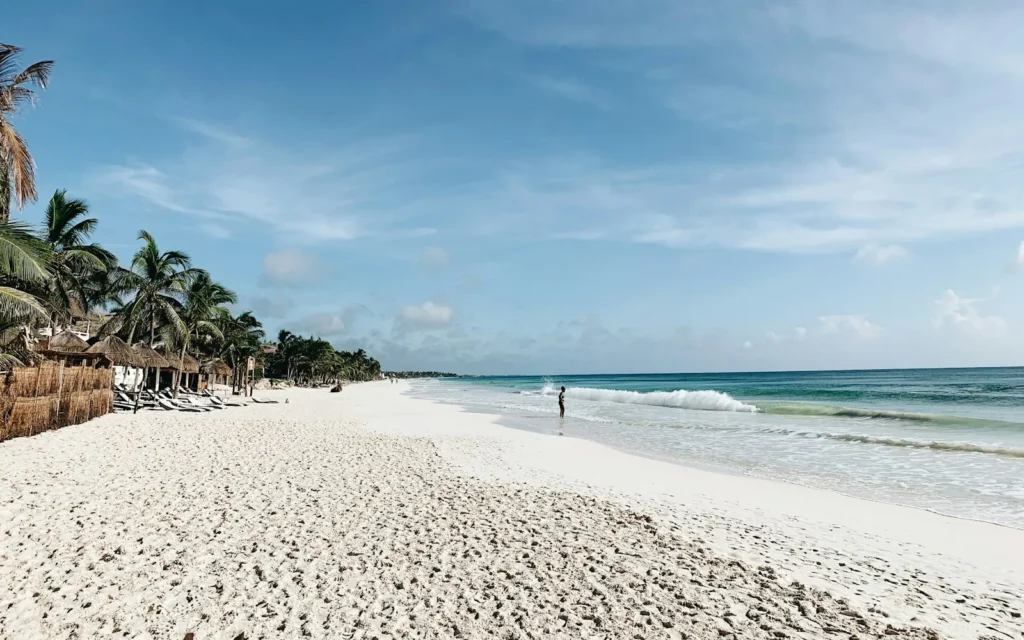
6. Playa del Carmen, Mexico
Best months: Dec–Feb · 7–23°C days · dry (climate data)
Caribbean coast with a large international community and easy flights, though costs have risen with popularity.
7. Santiago, Chile
Best months: Oct–Dec · 12–26°C days · dry (climate data)
The most developed infrastructure in the region, with the Andes an hour away, and correspondingly higher prices.
8. Cuenca, Ecuador
Best months: Jun–Aug · 7–18°C days · some rain (climate data)
A colonial highland city with among the lowest costs of living anywhere on this list, and a large retiree community.
9. Antigua, Guatemala
Best months: Jan–Mar · 13–25°C days · dry (climate data)
Small, beautiful and cheap, with Spanish schools on almost every street — the best place in the region to learn the language.
10. Montevideo, Uruguay
Quiet, safe and stable, with a slower pace and stronger institutions than most of the region.
Check before you commit: visa rules, rents and cost of living move quickly, and a stay beyond 90 days almost always needs a specific permit. Verify the current position with the relevant consulate, and read our digital nomad visa guide before booking a long lease.
Practical notes for the region
Safety is neighbourhood-level, not country-level. The same city can contain districts where nobody thinks twice about walking at night and districts locals avoid entirely. Ask where you are staying, not whether the country is safe, and check your government’s current advisory for the specific region.
On money: Argentina’s inflation makes long-term budgeting unusually hard, and exchange arrangements there have changed repeatedly — get current local advice rather than trusting any guide. Elsewhere, bring a card with no foreign transaction fees and withdraw from bank ATMs in daylight. Altitude catches people out in Bogotá, Quito and Cuenca; give yourself several days before doing anything strenuous. And learn some Spanish before arriving — English is far less widely spoken here than in Southeast Asia.
Frequently Asked Questions
Which Latin American city is best for remote work?
Medellín and Mexico City have the largest communities and best infrastructure; Cuenca and Antigua are the cheapest.
Do you need Spanish?
Far more than in Southeast Asia. English is not widely spoken outside tourist areas and expat bubbles.
Is Latin America safe for long stays?
It varies by neighbourhood rather than by country. Research the specific district and check your government’s current advisory.