
Last updated September 11, 2026 · Editorial policy
Eco-friendly travel isn’t about guilt — it’s about choosing places where tourism actively pays to protect the landscape, the wildlife and the communities you’ve come to see. These ten destinations lead the world on conservation, renewable energy and low-impact travel, and not one of them asks you to sacrifice the trip of a lifetime to do it.
1. Costa Rica
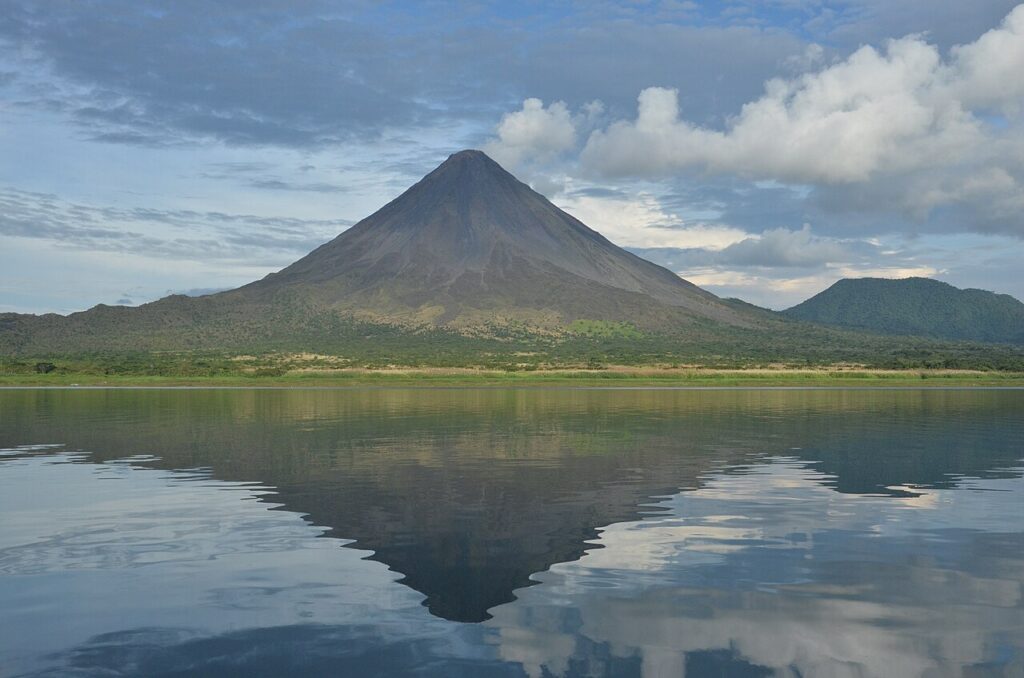
The country that invented modern ecotourism still sets the bar. More than 98% of its electricity comes from renewable sources, roughly a quarter of its land is protected, and its pioneering Payment for Environmental Services scheme pays landowners to keep forests standing. Base yourself on the remote Osa Peninsula, where Corcovado National Park shelters scarlet macaws, tapirs and four species of monkey. Tip: book lodges carrying the government’s CST (Certification for Sustainable Tourism) seal — it’s audited, not greenwashing.
2. Slovenia
Europe’s quiet sustainability champion. Its national “Green Scheme” certifies towns and businesses, and Ljubljana pedestrianised its entire centre years before it was fashionable. Skip the Lake Bled crowds for Lake Bohinj inside Triglav National Park, where electric boats and a no-traffic policy keep the water glassy. Tip: travel between towns on Slovenia’s cheap, scenic train network rather than renting a car.
3. Norway
Norway is electrifying its fjords: the UNESCO-listed Nærøyfjord now bans diesel cruise ships, and silent electric ferries glide past the waterfalls instead. Nearly all the country’s power is hydroelectric, and its hut-to-hut hiking network (run by the DNT trekking association) lets you cross wild country sleeping in low-impact cabins. Tip: the Bergen Railway to Flåm is one of the world’s great low-carbon journeys.
4. Bhutan
The only carbon-negative country on earth — its forests absorb more CO² than the whole nation emits, a status written into its constitution, which mandates 60% forest cover forever. A daily Sustainable Development Fee funds free healthcare, education and conservation, deliberately keeping visitor numbers low. The reward: trails like the climb to the cliff-clinging Tiger’s Nest monastery, blissfully uncrowded. Tip: go in spring for the rhododendron bloom and clear Himalayan views.

5. New Zealand
New Zealand asks every visitor to honour the Tiaki Promise — a pledge to tread lightly — and backs it with the audacious Predator Free 2050 plan to wipe out introduced pests and bring back native birds. Walk one of the DOC Great Walks, like the Kepler Track in Fiordland, and sleep in serviced backcountry huts. Tip: book Great Walk huts months ahead; they sell out fast for summer.
6. Finland
Helsinki is racing to be carbon-neutral by 2030, but Finland’s real green secret is jokamiehenoikeus — the “everyone’s right” that lets you walk, forage and camp almost anywhere for free. With 40 national parks and a superb train network, slow travel here is effortless. Nuuksio’s lake-stitched forest is under an hour from the capital. Tip: swap a flight north for the overnight train to Lapland.
7. Palau
This Pacific archipelago stamps the Palau Pledge into your passport — a promise to protect the islands, signed on arrival. It created the world’s first shark sanctuary, banned reef-toxic sunscreens, and protects 80% of its waters. Snorkel the surreal Jellyfish Lake or the Rock Islands knowing the ecosystem is fiercely guarded. Tip: buy mineral (non-nano zinc) sunscreen before you fly; chemical ones are confiscated.
8. The Azores, Portugal
Portugal’s mid-Atlantic islands are an EarthCheck-certified sustainable destination running largely on geothermal energy from São Miguel’s volcanoes. Once a whaling hub, the Azores became a whale sanctuary in the 1980s and now host some of Europe’s most responsible whale-watching — sperm whales and dolphins year-round. Tip: choose operators accredited by the regional whale-watching code of conduct.
9. Rwanda
Rwanda turned conservation into an economy: the price of a mountain-gorilla permit funds Volcanoes National Park and the surrounding communities, and gorilla numbers are rising as a result. The country banned single-use plastic bags back in 2008, and Kigali is regularly named among Africa’s cleanest cities. Tip: permits are limited daily and pricey — book well ahead and pair the trek with Lake Kivu.
10. Botswana
Botswana protects its wilderness with a deliberate low-volume, high-value model: fewer beds, smaller footprints, higher standards. Much of the Okavango Delta — a UNESCO World Heritage Site — is managed through community-owned concessions, and a growing number of safari camps run entirely on solar. Tip: travel in the dry season (May–September) when wildlife concentrates around the water and light aircraft replace long 4×4 transfers.
How to travel more sustainably anywhere
You don’t need a certified destination to travel well. Go slower and stay longer, favour trains and public transport, sleep in locally-owned places, eat what’s in season, and put money directly into the community — guides, markets, family-run lodges. The greenest trip is usually the one that respects both the place and the people who call it home.
You Might Also Love





Written by
John Morrison is the founder and lead travel writer at Packzup. Over the past decade he has explored destinations across Africa, the Americas, Asia, Europe, the Middle East, and Oceania — always self-funded, never on a press trip.
