
Last updated September 8, 2026 · Editorial policy
Quick take: The short answer on Madagascar: The longer answer involves weather windows, festival timing, and the difference between ‘technically open’ and ‘actually enjoyable.’ Dry season (May-October) gives Madagascar at its most accessible — roads usable, wildlife at waterholes, baobabs photogenic in clear light. June-September is peak for humpback whale watching off Sainte Marie. October has the highest concentration of baby lemurs.
Madagascar is the world’s biological island laboratory — 90% of its wildlife exists nowhere else. Lemurs, baobabs, chameleons, fossas. But infrastructure is genuinely difficult and seasonality dramatically affects which parks are accessible. Here is the practical timing.
Best time to visit Madagascar: at a glance
Short answer: April to October (dry season); September–November is best for wildlife.
| Season | Months | What to expect |
|---|---|---|
| Peak | Jul–Oct | Dry, wildlife active; busiest |
| Shoulder (best value) | Apr–Jun | Dry, green, fewer tourists |
| Low | Nov–Mar | Wet season; cyclone risk |
Best months to visit Madagascar
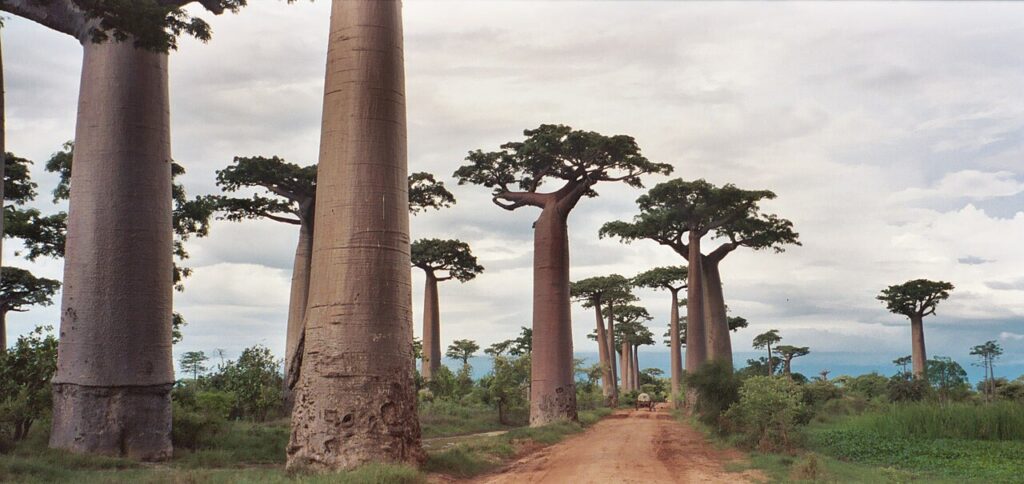
Dry season (May-October) gives Madagascar at its most accessible — roads usable, wildlife at waterholes, baobabs photogenic in clear light. June-September is peak for humpback whale watching off Sainte Marie. October has the highest concentration of baby lemurs.
Month-by-month overview
When to avoid Madagascar
December-March is cyclone season — eastern coast can be devastated, roads wash out, parks close. Antananarivo stays accessible but adventure travel becomes dangerous.
Key events and festivals
- Donia Festival (May / June, Nosy Be): Madagascar largest music festival; week of African beats.
- Whale watching, Sainte Marie (July-September): Humpback whales migrate through Indian Ocean; one of the world’s most reliable spots.
- Baby lemurs season (September-November): Most lemur species birth babies; tiny lemurs cling to mothers in every reserve.
- Famadihana (turning of the bones) (June-September): Traditional Malagasy ceremony where families exhume and rewrap ancestors — sacred and unique.
A local planning note
If you want Madagascar at its absolute best, target the second half of October. Dry roads, baby lemurs in every park, calm seas for Nosy Be, AND the Avenue of the Baobabs at Morondava in its most photogenic golden light. Build at least one buffer day per week for transport delays — they’re inevitable.
Pick Your Shoulder Window: Late June vs November
Most guides hand you the dry season and stop there. The smarter move is to choose your shoulder month by what you actually want to see, because the two ends of that window behave very differently.
Late June is the underrated sweet spot. By then the rains have stopped, the unpaved N8 between Morondava and Bekopaka has firmed up enough that the Grand Tsingy of Bemaraha becomes reliably accessible (roughly June to early November), and humpback whales are arriving off Ile Sainte Marie, where the season runs from late June to early October and peaks in July and August. You get peak-season conditions a few weeks before the July crowds and high-season rates kick in.
November is the bargain end. Operators discount rooms and will often negotiate, and Antananarivo’s jacarandas turn the capital purple. The catch: late-month rains start returning, several western parks begin closing, and rural roads turn to mud.
- Avoid January to March: this is peak cyclone season, with the east coast and north taking the heaviest hits and the worst flooding.
Frequently asked questions
When is the best time to see lemurs?
October-November when babies are born and active. April-November overall for any lemur viewing. Avoid December-March (rainy, lemurs less visible).
Is Madagascar dangerous to visit?
Roads are dangerous (slow, sometimes washed out). Petty theft in Antananarivo. Otherwise safe — Malagasy culture is famously gentle. Travel with reputable operator.
How long do I need in Madagascar?
Minimum 10 days for Andasibe + Andringitra + Tsingy de Bemaraha highlights. Two weeks for adding Nosy Be coast or central highlands.
When is the rainy season in Madagascar?
November-April. December-February is peak — daily downpours in east, cyclones possible. Western dry zone (Morondava, Tsingy) is less affected but roads still degrade.
Are there flights between Malagasy cities?
Yes via Air Madagascar — fragile network, frequently cancelled. Major routes (Tana-Nosy Be, Tana-Tulear) usually run. Build buffer days into any itinerary.
Plan your Madagascar trip
You Might Also Love

Written by
John Morrison is the founder and lead travel writer at Packzup. Over the past decade he has explored destinations across Africa, the Americas, Asia, Europe, the Middle East, and Oceania — always self-funded, never on a press trip.
