
Last updated August 29, 2026 · Editorial policy
- Best time to visit Venice: at a glance
- Best Time to Visit Venice: Month-by-Month Guide
- Best Months to Visit Venice
- Venice Travel Seasons at a Glance
- Festivals & Events in Venice
- When to Visit by Travel Goal
- What to Avoid
- Booking Tips
- The Sweet Spot: Why Late September Beats Both Shoulder Windows
- Frequently Asked Questions
- Related Venice Travel Guides
- Related Articles
Best time to visit Venice: at a glance
Short answer: April–June and September–October — pleasant and (a little) less mobbed.
| Season | Months | What to expect |
|---|---|---|
| Peak | Jun–Aug | Hot, humid, very crowded |
| Shoulder (best value) | Apr–May, Sep–Oct | Mild, ideal, slightly fewer crowds |
| Low | Nov–Mar | Cool; acqua alta flooding possible |
Best Time to Visit Venice: Month-by-Month Guide
Quick take: Venice — But timing matters more than most guides admit. Here’s the real breakdown by month, based on weather data, crowd patterns, and local festivals.
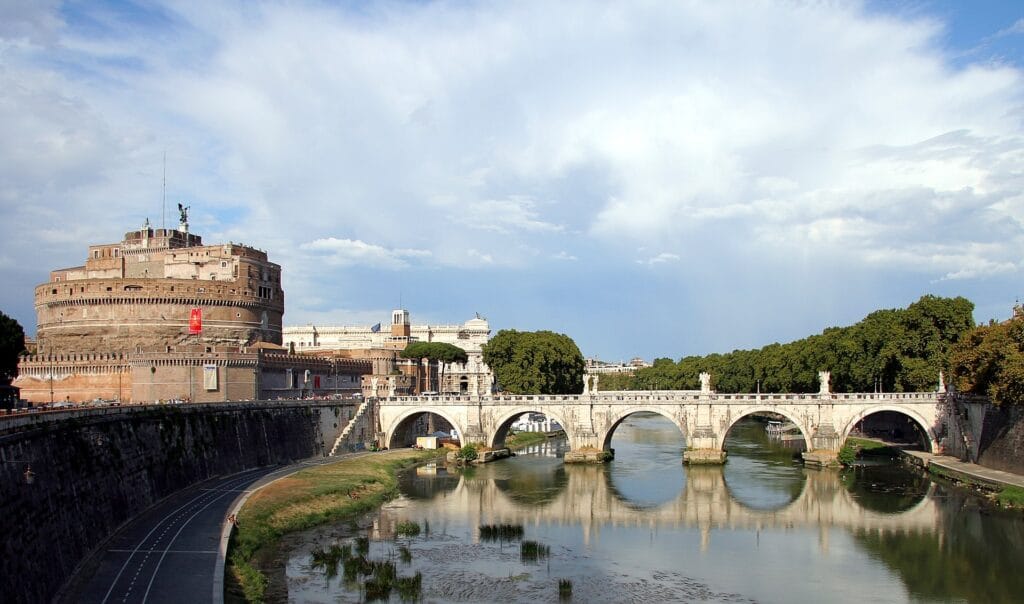
Peak: summer (June-August) · Off-season: winter (December-February)
Knowing the best time to visit Venice can transform your trip — saving you hundreds on flights and hotels while putting you in better weather with fewer crowds. This guide breaks down each season, key events, and what to expect month by month so you can pick the right travel dates.
Best Months to Visit Venice
Top pick: Late September to mid-October: summer heat fades to comfortable low-70s F days, the cruise and day-tripper crush thins noticeably, and hotel rates slide well below August peaks. You also beat acqua alta flood season, which typically ramps up from late October through December. April is a solid runner-up if you dodge Easter week and Biennale opening crowds.
Venice Travel Seasons at a Glance
| Season | Months | What to Expect |
|---|---|---|
| Peak | summer (June-August) | Best weather (for that region), highest prices, biggest crowds. Book hotels 3-6 months ahead. |
| Shoulder | shoulder seasons (typically April-May and September-October) | Sweet spot: good weather, moderate crowds, 15-30% lower prices than peak. |
| Off-season | winter (December-February) | Cheapest, quietest. Some sights may be closed. Best for budget travelers and shoulder-month flexibility. |
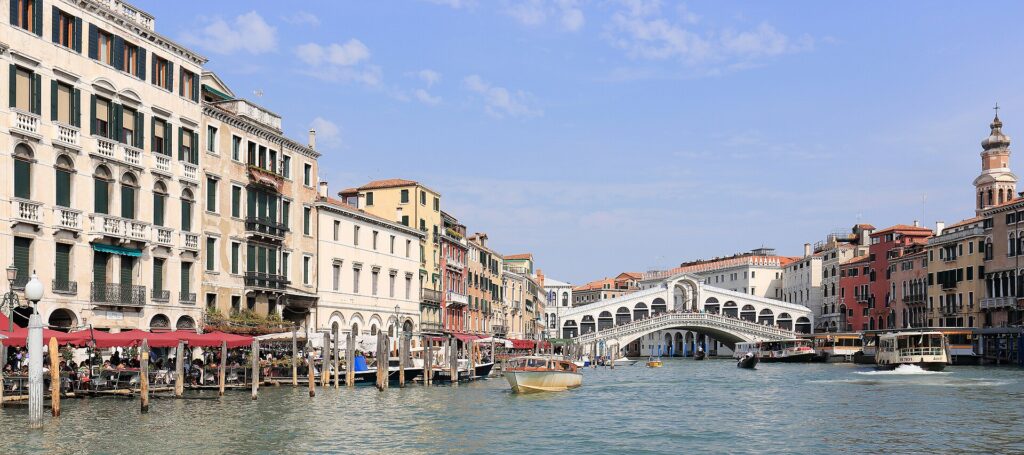
Festivals & Events in Venice
Carnival is the one event to plan around: the final weekend before Shrove Tuesday packs the squares and pushes room rates far above the winter baseline. If you want those dates, book accommodation several months ahead; the same applies to Film Festival week on the Lido.
- Carnival of Venice (Feb-Mar)
- Venice Film Festival (late Aug-early Sep)
- Venice Biennale (Apr-Nov)
- Festa del Redentore (Jul)
- Regata Storica (Sep)
When to Visit by Travel Goal
- Best weather: Late April to mid-June and all of September bring the most comfortable sightseeing, with highs near 18-26C, long daylight for canal walks, and less acqua alta flooding than late autumn.
- Lowest prices: winter (December-February). Hotels and flights cut 30-50%. Trade weather for savings.
- Fewest crowds: Mid-January, between Epiphany and the start of Carnival, is typically Venice’s quietest stretch, with November weekdays close behind. Expect cool, damp weather and possible acqua alta, but you will have squares and churches almost to yourself.
- Festivals & culture: Carnival, typically two-plus weeks ending on Shrove Tuesday in February, is Venice’s signature spectacle; the Venice Film Festival follows in late August to early September on the Lido. The Biennale runs roughly April to November in alternating art and architecture years.
- Outdoor activities: Lido beach days and lagoon boating peak from June to early September, when the Adriatic is warm; skip November to January, when acqua alta flooding, fog and damp cold dominate.
- Budget travelers: The real bargain window is mid-January after Epiphany until Carnival begins, plus November weekdays, when hotel rates typically drop sharply. Christmas, New Year, and Carnival weekends price like high season, so winter is not uniformly cheap here.
What to Avoid
- Peak crowds: summer (June-August) brings 2-3x the visitors. Major sites require ticket reservations weeks ahead.
- Major holidays: Easter weekend, April 25 (Liberation Day and the Feast of San Marco, Venice’s patron saint), May 1, and the Ferragosto break around August 15 all pull big Italian crowds. Locally, the Salute feast on November 21 fills the city for a day.
- Closures: Venice never fully shuts, but many family-run restaurants and small hotels typically take a break in January after Epiphany, Lido beach clubs close from around October to May, and acqua alta flooding in November-December can temporarily shut ground-floor shops and walkways.
Booking Tips
- Venice peaks June through August, so aim to lock in summer flights around 3-4 months out; Carnival in February and the early-September Film Festival window also fill fast. For shoulder trips in April-May or October, booking 6-8 weeks ahead usually works fine.
- Venice’s shoulder sweet spots are the second half of September, once the Film Festival ends around mid-month, and mid-October. You trade a little warmth for calmer streets and softer light. In spring, late April to May works too, but Easter and April 25 weekends surge.
- For Venice, the school calendars that matter most are Italy’s long summer break, typically mid-June to mid-September, plus German, French, and UK holidays: Easter breaks, staggered German summer vacations, and October half-terms all push up day-tripper and hotel demand noticeably.
- Venice has no hurricane or monsoon season; the main disruption risk is acqua alta tidal flooding, typically peaking mid-November through December. If you travel then, insurance that covers delays and itinerary changes is worth having, since high tides can reroute walks and close sights for hours.
The Sweet Spot: Why Late September Beats Both Shoulder Windows
Spring and autumn both qualify as shoulder season, but they are not equal, and the single sharpest window is the second half of September. Daytime highs sit around 22 to 25C, warm enough for the lagoon to still feel like summer, while the August crush has eased. The catch is timing it against the Venice Film Festival, which runs on the Lido from September 2 to 12 in 2026 and pushes Lido hotel demand up during those dates. Arrive after the festival closes and you get the warm weather without that spike.
What each season actually delivers is worth separating:
- April to May: highs near 17 to 22C, fresh and occasionally wet, with Easter weekends drawing a sharp short crowd surge.
- Late September to mid-October: highs cooling from roughly 22C to 15C, the calmest light of the year, and the lowest mix of heat and tourists.
- Carnival (January 31 to February 17, 2026): cold and atmospheric, but the final weekend packs the squares and lifts room rates well above the quiet winter baseline.
Avoid mid-November through December. That is the heart of acqua alta season, when the high tides peak and the MOSE barrier is raised for forecasts above roughly 1.3 metres. Even with the barrier working, you risk wet alleys, rerouted walks, and the coldest, dampest stretch of the calendar.
Frequently Asked Questions
Are there major festivals in Venice?
Yes — Venice hosts notable events including: Carnival of Venice (Feb-Mar), Venice Film Festival (late Aug-early Sep), Venice Biennale (Apr-Nov), Festa del Redentore (Jul), Regata Storica (Sep). Major festivals can spike hotel prices 50-200% — book 3-6 months ahead if attending.
What should I pack for Venice?
Pack for the season you’re visiting and the climate zone. Summer in Venice: lightweight breathable clothes, sunscreen, hat, comfortable walking shoes. Winter: layers, waterproof jacket, warm accessories. Check the 10-day forecast 1-2 weeks before departure and adjust.
Related Venice Travel Guides
- 8 Best Things to Do in Venice (2026): Top Sights & Tips
- Where to Stay in Venice (2026): Best Areas by Travel Style
Related Articles
- Venice vs Florence: Italian City Pick
- Things to Do in Faroe Islands: 12 Experiences You Can’t Miss
- Things to Do in Albania: 12 Experiences You Can’t Miss
- Things to Do in Albania: Hidden Mediterranean
Torn between destinations? See our honest, first-hand comparisons: Rome vs Venice.
You Might Also Love



Written by
John Morrison is the founder and lead travel writer at Packzup. Over the past decade he has explored destinations across Africa, the Americas, Asia, Europe, the Middle East, and Oceania — always self-funded, never on a press trip.
