
Last updated September 12, 2026 · Editorial policy
Corfu and Crete are both Greek islands, and that is roughly where the similarities end. Corfu is a small, intensely green Ionian island with a Venetian old town and beaches you can hop between two or three of in a single afternoon. Crete is basically a small country pretending to be an island: around 160 miles long, with snow on its mountains into May, its own cuisine, its own accent, and enough coastline that you could go back for ten summers and still find beaches you have never heard of. I have spent time on both, and I have watched a lot of people pick the wrong one for the trip they actually wanted.
Here is the short version before we get into it. Corfu is the easier holiday: compact, pretty, cheap direct flights from all over Europe, everything close together. Crete is the deeper trip: better food, wilder nature, a longer season, and more of everything, including driving. Below is the honest breakdown, with real costs, where each island wins, and a verdict by traveler type at the end. No fence-sitting, I promise.
| Category | Corfu | Crete | Winner |
|---|---|---|---|
| Beaches | Pretty coves, calm water, some pebbly | Elafonisi, Balos, Falassarna, endless variety | Crete |
| Food | Good, with an Italian accent | One of the best food regions in the Med | Crete |
| Old town charm | Corfu Town is a stunner | Chania and Rethymno, plus Minoan ruins | Tie |
| Hiking and nature | Green hills, olive groves, easy walks | Gorges, 8,000 ft mountains, wild south coast | Crete |
| Ease of getting around | Nowhere is more than about an hour away | Big distances, mountain roads | Corfu |
| Nightlife | Kavos, Ipsos, old town bars | Malia, Hersonissos, Chania’s student scene | Tie |
| Family friendliness | Short transfers, calm shallow water | Great, but expect long drives | Corfu |
| Value for money | Cheap packages, pricier tavernas in hotspots | Slightly cheaper food and rooms overall | Crete |
Cost comparison
Good news first: neither island will hurt you the way Santorini or Mykonos will. On a genuine budget, staying in studios or simple rooms, eating gyros and taverna lunches and using buses, you can do Corfu on roughly $55 to $85 a day per person and Crete on $50 to $80. Crete has the edge because it is a big working island with real towns, so there are always rooms and meals priced for locals, not just tourists.
Midrange is where most people land: a nice hotel or a good Airbnb, a rental car, taverna dinners with wine, a boat trip or two. Budget $120 to $190 a day per person on either island in July or August, and noticeably less in May, June, September or October. A taverna dinner runs $15 to $25 a head with house wine almost everywhere, a gyros is still a few dollars, and rental cars go for roughly $30 to $55 a day in high season if you book ahead. Corfu’s resort strips and the fancier corners of Chania old town will push drink and dinner prices up; inland villages on both islands remain honest.
Both are also still cheaper than most of the French or Spanish coast, a fight we scored separately in Spain vs France. Verdict on value: Crete, narrowly, unless you snag one of Corfu’s famously cheap package deals from the UK, in which case Corfu can be absurdly good value for a fly-and-flop week.
Beaches
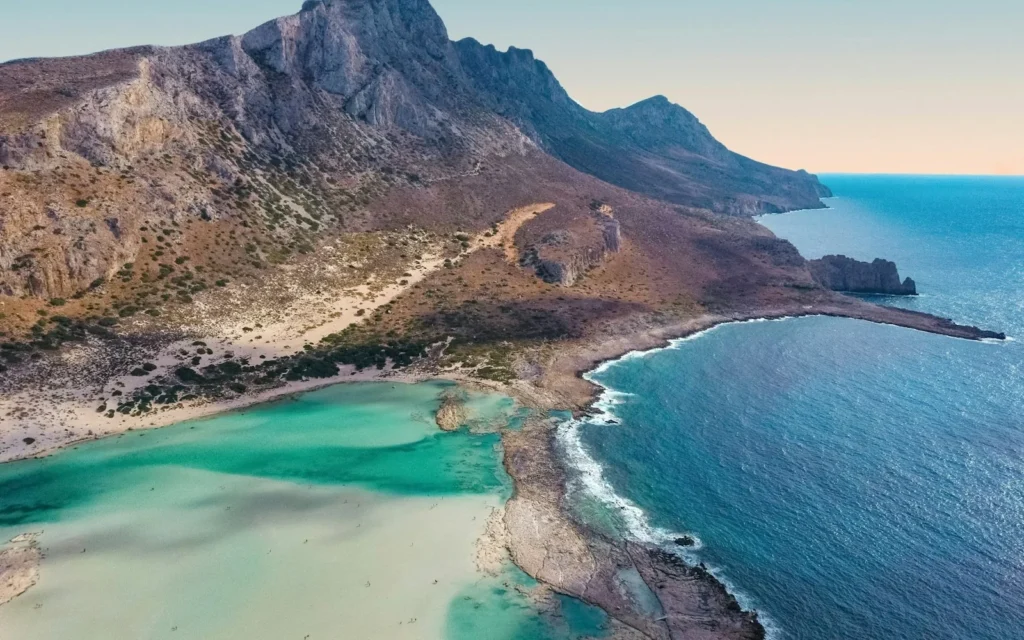
This is the category people argue about most, so let me be blunt: Crete has the better beaches, and it is not particularly close. Elafonisi’s shallow lagoon with its pink-tinged sand, Balos with its ridiculous turquoise sweep (reachable by boat or a rough drive and a hot walk), Falassarna’s long sandy arc with proper sunsets, Vai with its palm grove, and a whole southern coastline of quiet coves you often share with a handful of people. The variety is absurd for one island.
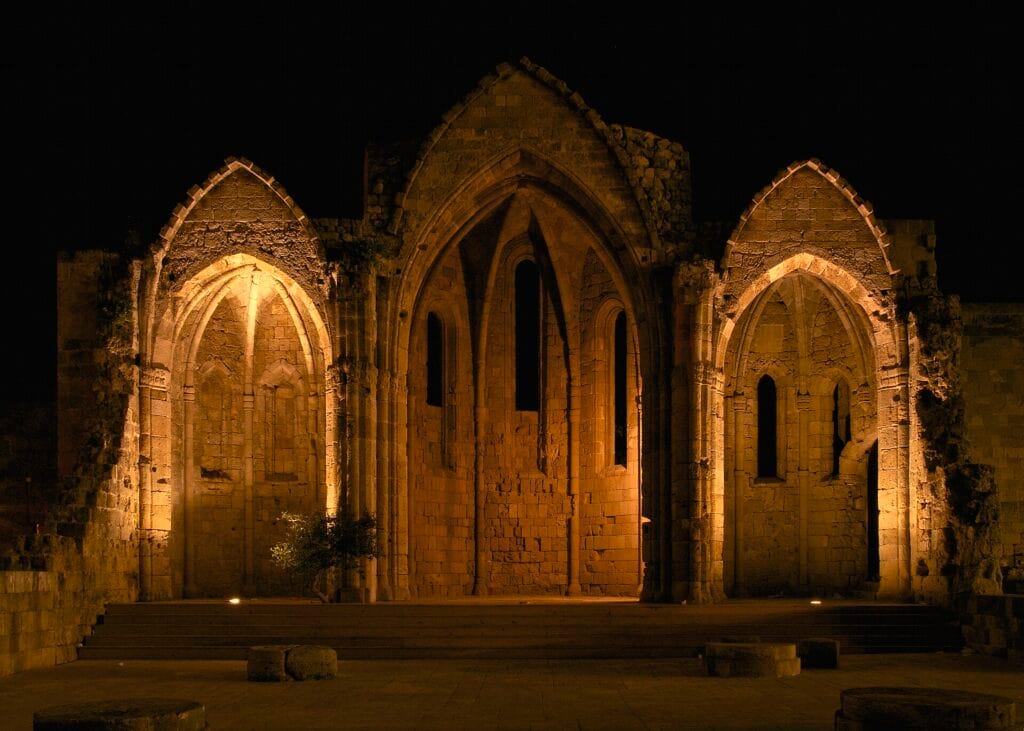
Corfu’s counterargument is convenience and calm. The Ionian is glassy compared to Crete’s sometimes wind-whipped north coast, and Corfu’s best spots, the coves around Paleokastritsa, the sandstone channels of Canal d’Amour near Sidari, sandy Glyfada and laid-back Agios Gordios on the west coast, are all within an easy drive of each other. The catch: a fair number of Corfu beaches are pebbly or narrow, and the popular ones become sunbed farms in August. If you like the look of Corfu’s pine-backed, glass-clear coves, you would probably also love the Adriatic; we compared that coastline in Croatia vs Portugal.
One honest caveat on Crete: the famous beaches involve real driving, and the meltemi wind can blow out the north coast for days in July and August. Corfu rarely has that problem. Still: Crete wins.
Food and drink
Crete is one of the best places to eat in the entire Mediterranean, and I will die on this hill. Dakos (barley rusks with tomato and creamy mizithra cheese), kalitsounia pastries, slow-cooked lamb, wild greens, snails fried with rosemary if you are feeling brave, and olive oil so good that villages argue about it. Meals in mountain villages routinely end with free raki and something sweet you did not order. There are serious wineries in the hills south of Heraklion, and Chania has quietly developed a genuinely good modern food scene.
Corfu eats well too, just differently. Four centuries of Venetian rule left the island with pastitsada (spiced beef over thick pasta), sofrito (veal in white wine and garlic) and bourdeto (peppery fish stew), plus kumquat liqueur and a local ginger beer left over from the British years. The food has an obvious Italian accent; if that whole debate interests you, we went deep in Italy vs Spain. The weakness is that Corfu’s harborfront and resort-strip tavernas can be lazy and tourist-priced; you have to head inland or ask locals to eat really well.
Winner: Crete, comfortably.
Old towns, history and culture
Corfu plays its trump card here. Corfu Town is, for my money, the single most beautiful town in the Greek islands: a UNESCO-listed Venetian core wedged between two fortresses, with the arcaded Liston promenade, laundry strung between tall shuttered houses, and, bizarrely and wonderfully, a cricket pitch courtesy of the British. Add the over-the-top Achilleion palace in the hills and you have plenty of culture for a week.
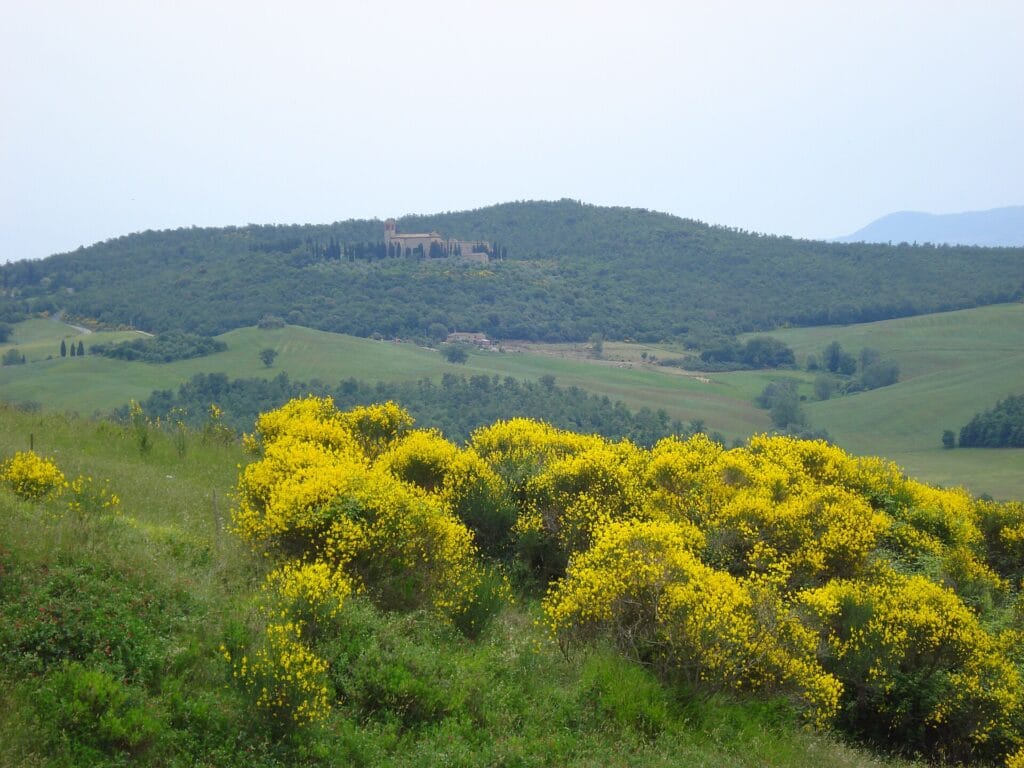
Crete counters with sheer depth. Knossos, just outside Heraklion, is the heart of Minoan civilization, Europe’s oldest, and the Heraklion Archaeological Museum is world class. Chania’s Venetian harbor with its lighthouse and Rethymno’s tangled old town are both lovely in their own right, and the island wears its WWII history, especially the Battle of Crete, with visible pride. One perfect town versus four thousand years of layers. I call it a tie and mean it.
Hiking, nature and day trips
If you own hiking boots and intend to use them, book Crete and stop reading. The Samaria Gorge is a famous, genuinely demanding 10-mile descent to the Libyan Sea; Imbros gorge is the easier alternative; the White Mountains top 8,000 feet; and the south coast hides villages like Loutro that you can only reach by boat or on foot. You can hike in the morning and swim at the trailhead’s beach in the afternoon.
Corfu’s nature is gentler but real: the island is the greenest in Greece, draped in something like the fabled millions of olive trees, and the Corfu Trail runs its whole length. Mount Pantokrator, just under 3,000 feet, gives you views to Albania and, on clear days, Italy. Lovely strolling country, honestly, but not an adventure destination. Crete wins.
Nightlife and the resort scene
Both islands run the full spectrum from fishing-village quiet to full chaos. Corfu’s party pole is Kavos in the far south, a British 18-to-25 enclave that you should either book deliberately or avoid entirely; Ipsos is a milder strip, and Corfu Town does elegant cocktail bars in Venetian alleys. Crete’s equivalents are Malia and Hersonissos east of Heraklion, same idea, same demographic, while Chania offers a more grown-up evening thanks in part to its university crowd.
The practical point: on Corfu, the party zone is 45 minutes from everything else; on Crete, you can put a two-hour mountain range between yourself and the nearest club. Call nightlife a tie and choose your base carefully.
Which island feels more Greek?
Fair question, awkward answer. Corfu in high season can feel like a very pretty machine for processing package holidays, at least along the coast; the interior villages are still genuinely lovely and sleepy. Crete simply has more non-tourist life: working cities, agriculture, universities, shepherds who will wave you down to share raki. Tourism on Crete is a layer on top of a real economy rather than the whole show. If feeling like a guest in a living place matters to you, Crete wins this one clearly.
Weather and when to go
Summers are hot, dry and reliable on both islands, with Crete usually a degree or two warmer. The differences show at the edges. Corfu is green for a reason: it is one of the rainiest places in Greece from October through April, so early spring and late autumn trips can be soggy. Crete has the longest season in the country; on the south coast you can realistically swim from May into early November, and the Samaria Gorge is typically open from roughly May to October.
Two caveats. Crete’s meltemi wind can rake the north coast in July and August, flipping sunbeds and canceling boat trips, while Corfu stays calmer. And August on either island means peak prices and peak crowds. The sweet spots for both are late May to late June and all of September; Crete stretches that window further into October than Corfu does.
Getting there and around
Corfu is the easy logistics win. One airport, sitting practically next to Corfu Town, with a huge menu of seasonal direct flights from the UK and Europe, plus a short ferry hop to Igoumenitsa on the mainland. Once you land, nothing on the island is much more than an hour to ninety minutes away, so a small rental car, or even a scooter for the brave, unlocks everything from one base.
Crete requires a plan. There are two major airports, Heraklion and Chania, plus little Sitia in the east, with plenty of direct seasonal flights and quick hops or overnight ferries from Athens. The mistake almost everyone makes is trying to see the whole island in a week. Don’t. Driving the full length takes the better part of a day on winding roads, and even Chania to Elafonisi is a solid ninety minutes to two hours each way. Pick a half: west (Chania, Balos, Elafonisi, Samaria) or center-east (Heraklion, Knossos, the wineries, Agios Nikolaos), and give each a week. A rental car is close to essential outside the cities; buses connect the main towns well but the famous beaches poorly.
Corfu or Crete: the honest verdict
Budget travelers: Crete, narrowly, for cheaper rooms and honest taverna prices year-round; the exception is if you find one of Corfu’s rock-bottom package deals, which are hard to beat for a simple beach week.
Foodies: Crete, and it is not a debate. Corfu’s Venetian dishes are worth trying, but Crete is a top-tier food destination by any Mediterranean standard.
Beach lovers: Crete for spectacle and variety, Corfu for calm, convenient swimming. If your dream photo is a turquoise lagoon, Crete; if it is a quiet cove reached in ten minutes from your hotel, Corfu.
First-timers to Greece: Corfu if you have one relaxed week and want minimal logistics with maximum prettiness. Crete if you want to come home feeling like you actually met Greece, food, mountains, ruins and all. Still deciding whether Greece is even the right country for this trip? We settled a bigger fight in Greece vs Portugal.
Families: Corfu. Short airport transfers, calm shallow water, and short drives between everything beat Crete’s long hauls with kids in the back seat.
Hikers and road-trippers: Crete, overwhelmingly.
And if I could only ever go back to one? Crete. Corfu is the prettier postcard, but Crete is the island I am still not finished with after multiple trips, and that tells you everything.
FAQ
Is Corfu or Crete cheaper?
Which island is better for families, Corfu or Crete?
Can you visit both Corfu and Crete in one trip?
How many days do you need in Corfu vs Crete?
You Might Also Love
More side-by-side comparisons

Written by
John Morrison is the founder and lead travel writer at Packzup. Over the past decade he has explored destinations across Africa, the Americas, Asia, Europe, the Middle East, and Oceania — always self-funded, never on a press trip.
