
Last updated September 11, 2026 · Editorial policy
Quick verdict: Vietnam is among Southeast Asia’s safest countries — welcoming locals + tourist infrastructure mature. Motorbike traffic + scams are main concerns. Refined across 2 personal Vietnam trips.
More: When to visit Vietnam · Vietnam travel guide
7 safety concerns + how to handle them
Motorbike traffic (Hanoi + HCMC)
Million motorbikes weaving traffic. Walk slowly + steadily across streets. Don’t run.
Snatch-and-grab on motorbikes
Continue planning your Vietnam trip
Bag-snatching from motorbike riders. Keep bags away from street side. Less common in 2026 than before.
Tourist scams
Taxi meter scams (use Grab). Tour scams in Old Quarter Hanoi. Always negotiate prices upfront.
Halong Bay cruise quality
Budget boats can be poor + unsafe. Pay extra for reliable operators (Indochina Sails + Paradise Cruises).
Stray dogs in rural areas
Rabies risk. Avoid petting unknown dogs. Vaccinated travelers minimal risk.
Vietnam War landmines + unexploded ordnance
Stay on marked trails in Quang Tri + Quang Binh provinces (former DMZ).
Foggy weather in north (October-March)
Halong Bay + Sapa fog can ruin photo opportunities. Plan flexibility.
Compare Vietnam travel insurance →
Helpful Packzup guides
Vietnam safety: the essentials
Vietnam is a safe, welcoming country for travellers, with very little crime aimed at tourists. The points to watch are minor:
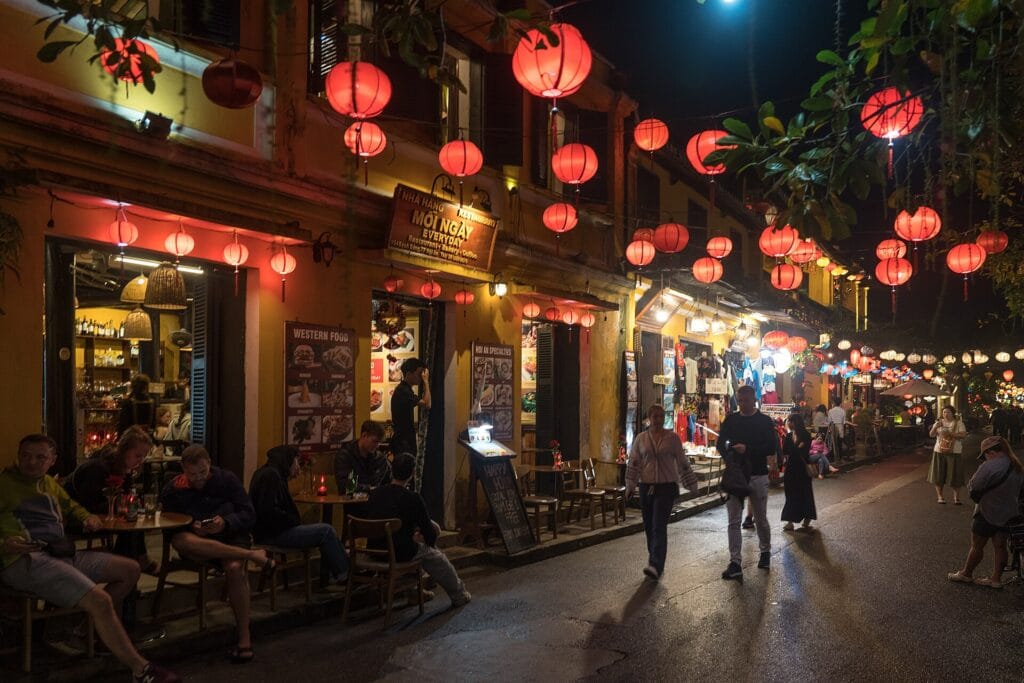
- Bag-snatching from passing motorbikes in Ho Chi Minh City and Hanoi — keep bags on the inside of the pavement and phones away from the kerb.
- Traffic is the genuine hazard — cross roads slowly and predictably so scooters can flow around you.
- Overcharging: confirm prices and taxi fares up front, or use Grab.
- Food & water: drink bottled/filtered water and eat at busy stalls.
With everyday street-smarts, Vietnam is one of Southeast Asia’s most rewarding and hassle-free destinations.
The Real Risk Is the Road, Not Crime
The reputation here is largely earned. The US State Department keeps Vietnam at Level 1 (‘Exercise Normal Precautions’), its lowest tier, and reaffirmed that rating in mid-2025. Violent crime against foreigners is genuinely rare. The statistic that should reshape your trip is the traffic one: Vietnam records roughly 23,000 road deaths a year, a fatality rate of about 17.7 per 100,000 that runs above the Southeast Asia average, and more than 90 percent of those deaths involve motorbikes. Tourists renting scooters without experience are turning up in serious crashes more often, so treat a bike rental as the single decision most likely to ruin your trip.
Two situational risks deserve naming rather than the usual vague warnings:
- The bar-bill trap on Bui Vien Street in Ho Chi Minh City, where a friendly stranger steers you to a venue and a small drink order becomes an aggressive bill, sometimes with intimidating staff blocking the door.
- Tran Phu Street in Nha Trang after dark, the one area where solo women consistently report verbal harassment around the nightlife strip.
Bottom line: Vietnam is safe enough that the smart traveler worries less about being robbed and more about traffic, rented two-wheelers, and one or two named nightlife zones.
Is Vietnam Safe For Travel FAQ
Is Vietnam safe to travel?
Yes — very safe overall; watch for motorbike bag-snatching, chaotic traffic and minor overcharging.
How do you cross the road in Vietnam?
Walk slowly and steadily at a constant pace so the scooters can flow around you — don’t stop suddenly.
Frequently asked questions
Is Vietnam safe for solo female travelers?
Is Vietnam safe for families?
Vietnam scam awareness?
Vietnam health concerns?
Vietnam emergency contacts?
Updated 2026. Some links on Packzup are affiliate links.
The road is the real risk. More visitors are hurt on a motorbike in Vietnam than in any other way, and almost none of them planned to take a risk. Our Vietnam motorbike guide covers the licence position, why riding unlicensed usually voids travel insurance, and how Vietnamese traffic actually works as a system.
You Might Also Love



Written by
John Morrison is the founder and lead travel writer at Packzup. Over the past decade he has explored destinations across Africa, the Americas, Asia, Europe, the Middle East, and Oceania — always self-funded, never on a press trip.
Good to know: staying healthy abroad starts with the water — see where the tap water is safe to drink, and dodge the classics with travel scams by country.
