
Last updated September 4, 2026 · Editorial policy
Best time to visit Vietnam: at a glance
Short answer: October to April in the north; it varies region to region.
| Season | Months | What to expect |
|---|---|---|
| Peak | Dec–Feb | Cool north, dry-ish; busiest |
| Shoulder (best value) | Oct–Nov, Mar | Pleasant, fewer crowds |
| Low | May–Sep | Hot & wet in much of the country |
Best Time to Visit Vietnam: Month-by-Month Guide
Quick take: Timing your Vietnam trip right makes everything better: lower prices, better weather, fewer crowds. Month-by-month reality below.

Peak: December-February (north), Jun-Aug (south) · Off-season: June-September (north rainy)
Knowing the best time to visit Vietnam can transform your trip — saving you hundreds on flights and hotels while putting you in better weather with fewer crowds. This guide breaks down each season, key events, and what to expect month by month so you can pick the right travel dates.
Best Months to Visit Vietnam
Top pick: March and April, when all three of Vietnam’s regions roughly align: the north warms up after its misty winter, the central coast is dry before typhoon season, and the south has not yet hit peak heat and rain. Tet crowds and price spikes have passed, and rooms generally run cheaper than the December to January high season.
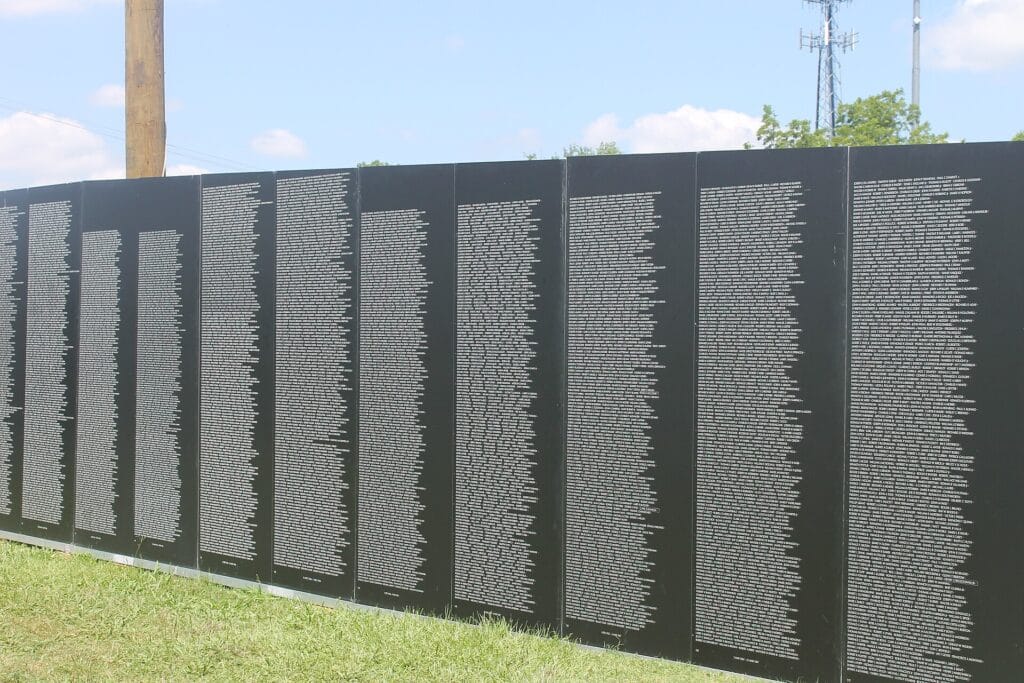

For the north, late September to mid-October is the quiet sweet spot most itineraries skip. The Sapa rice terraces hit their golden harvest then, trekking trails dry out, and Halong Bay sees fewer cruise crowds before the December rush. Skip deep winter if you dislike cold: January is the coldest month in Hanoi, with lows that can fall below 10C (about 50F) and limestone peaks wrapped in morning mist and drizzle.
Those same autumn weeks are the period to avoid on the central coast. Hue and Hoi An face peak typhoon and flood risk from roughly October into November, and the Ancient Town streets regularly take on water during the heaviest spells.
- South (around Ho Chi Minh City and the Mekong): drive season runs November to April, with daytime highs near 28-34C (about 82-93F).
- Central beaches (Da Nang, Nha Trang): best from roughly February through May, before the storms arrive.
Frequently Asked Questions
What is the best month to visit Vietnam?
The single best time to visit Vietnam depends on your priorities. For ideal weather plus reasonable crowds, target November-April. Peak season is December-February (north), Jun-Aug (south) (busiest, highest prices). Off-season is June-September (north rainy) (cheapest, least crowded — but check what’s open).
What’s the cheapest time to visit Vietnam?
The cheapest time to visit Vietnam is during the off-season: June-September (north rainy). Flights and hotels drop 30-50%. Trade-offs: some sights/restaurants may close, weather may be less favorable, fewer events.
When should I avoid Vietnam?
Avoid Vietnam during peak season (December-February (north), Jun-Aug (south)) if you want fewer crowds and lower prices. Also consider local school holidays (when domestic travel surges) and weather extremes (75-95°F during peak heat).
What is the weather like in Vietnam?
Three climate zones; complex by region. Summer highs and winter lows vary by altitude, coast vs. inland, and exact location within Vietnam. Always check the specific city forecast a week before departure.
Are there major festivals in Vietnam?
Yes — Vietnam hosts notable events including: Tet (Lunar New Year, Jan/Feb), Hue Festival (Apr biennial), Mid-Autumn Festival (Sep). Major festivals can spike hotel prices 50-200% — book 3-6 months ahead if attending.
What should I pack for Vietnam?
Pack for the season you’re visiting and the climate zone. Summer in Vietnam: lightweight breathable clothes, sunscreen, hat, comfortable walking shoes. Winter: layers, waterproof jacket, warm accessories. Check the 10-day forecast 1-2 weeks before departure and adjust.
Related Vietnam Travel Guides
- Best Things to Do in Vietnam
- Where to Stay in Vietnam
- Best Food in Vietnam
- How Much Does a Trip to Vietnam Cost?
- Vietnam Itinerary Guide
Vietnam Month-by-Month Guides
Vietnam in March · Vietnam in April · Vietnam in November · Vietnam in December
Key Takeaways
- Best months: December, February, June
- Avoid: Peak tourist season for lower prices and fewer crowds
- Budget tip: Shoulder months offer the best value — good weather at 30-50% lower costs
- Book ahead: Flights and hotels are cheapest 6-8 weeks before travel
Want the full month-by-month breakdown? See our Vietnam weather by month (temperatures, rainfall & crowds).
Vietnam weather & climate by month
Best months to visit: January, February, November, December. Vietnam’s warmest month is June (avg 34°C / 93°F), the coolest is January (low 14°C / 57°F). The wettest is August (423 mm) and the driest is December.
| Month | Avg high | Avg low | Rainfall | Rainy days |
|---|---|---|---|---|
| January | 21°C / 70°F | 14°C / 57°F | 52 mm | 11 |
| February | 23°C / 73°F | 16°C / 61°F | 77 mm | 12 |
| March | 26°C / 79°F | 19°C / 67°F | 89 mm | 14 |
| April | 28°C / 83°F | 22°C / 71°F | 127 mm | 15 |
| May | 32°C / 89°F | 25°C / 76°F | 193 mm | 17 |
| June | 34°C / 93°F | 27°C / 80°F | 221 mm | 16 |
| July | 33°C / 92°F | 27°C / 80°F | 217 mm | 18 |
| August | 32°C / 89°F | 26°C / 79°F | 423 mm | 25 |
| September | 31°C / 87°F | 25°C / 77°F | 353 mm | 22 |
| October | 28°C / 82°F | 22°C / 71°F | 235 mm | 15 |
| November | 26°C / 79°F | 19°C / 67°F | 61 mm | 8 |
| December | 22°C / 71°F | 14°C / 57°F | 21 mm | 5 |
Climate source: Open-Meteo / WMO climate normals (WMO 1991–2020, or ERA5 2019–2023 where unavailable). Compare destinations in the Best Time to Visit Index.
You Might Also Love


Written by
Drew Treasury is a contributing travel writer at Packzup, specialising in city culture, food markets, street art, and neighbourhood-level travel.
