
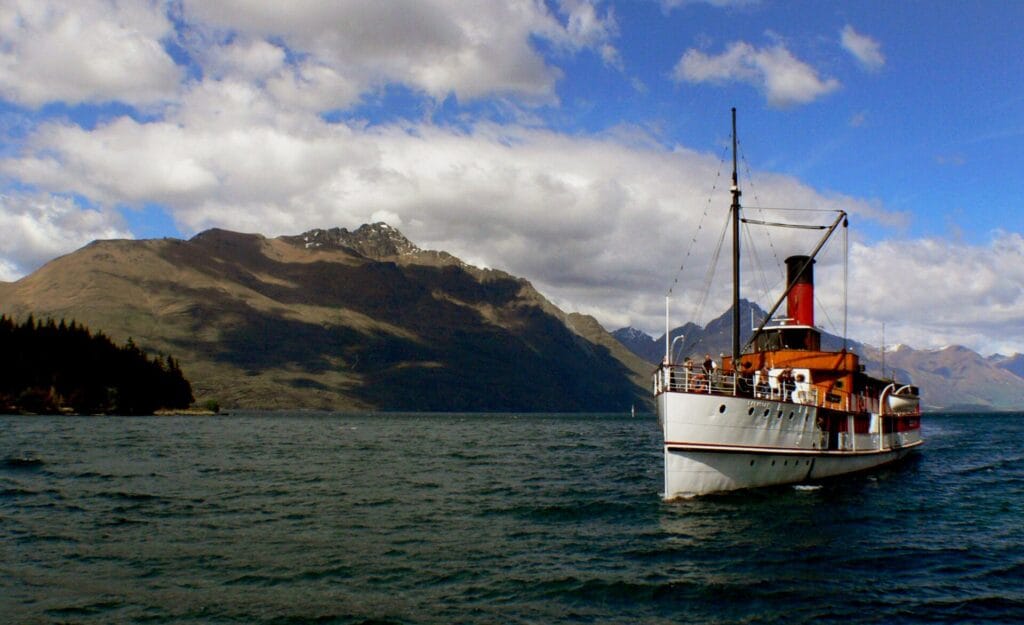
June is midwinter in New Zealand, and it carries the country’s newest and oldest public holiday at once. Matariki falls on Friday 25 June 2027 – the Māori New Year, marked by the midwinter rising of a star cluster. The ski fields open in the second half of the month, Queenstown drops to 8°C with nights below freezing, and the shortest day is around the 21st.
The numbers
Matariki
Matariki is the Māori name for the Pleiades star cluster. Its first rising before dawn in midwinter marks the Māori New Year, and the period is traditionally a time for remembering those who have died in the past year, giving thanks for the harvest, and looking to the year ahead.
It became a public holiday in 2022 – the first in New Zealand to recognise te ao Māori, and the only one set by the Māori lunar calendar, so the date moves each year. In 2027 it is Friday 25 June, making a long weekend.
- Dawn ceremonies (hautapu) are held at sites around the country, and are broadcast nationally.
- Public events, light displays and community gatherings run across the surrounding weeks, particularly in Auckland and Wellington.
- Visitors are welcome at public events. It is a cultural and commemorative occasion rather than a festival in the party sense, and it is worth approaching in that spirit.
The ski season opens
New Zealand’s commercial fields open through the second half of June, snow permitting – opening dates are announced each year and can shift by a fortnight.
- Queenstown – Coronet Peak and The Remarkables, both within about 30 minutes of town.
- Wanaka – Cardrona and Treble Cone, an hour away.
- North Island – the fields on Mt Ruapehu, in Tongariro National Park.
- Nobody sleeps on the mountain. Unlike Alpine Europe, New Zealand has no ski-in ski-out resort villages – you stay in Queenstown or Wanaka and drive or bus up daily. Access roads are gravel, steep and often require chains.

The Queenstown Winter Festival
Usually held over four or five days in late June, opening the ski season with street parties, fireworks over the lake, and a programme of comfortably silly on-mountain events. It is the busiest week of the Queenstown winter and accommodation books well ahead. Dates are announced annually.
Two public holidays
- Monday 7 June – King’s Birthday, the first Monday in June. A long weekend and the traditional unofficial start of the ski season.
- Friday 25 June – Matariki.
What else June is good for
- The aurora australis – the longest nights of the year, from the deep south.
- Fiordland – Milford and Doubtful Sound cruises run year-round, with snow on the peaks now.
- Geothermal Rotorua and Taupō, which are better in cold air – the steam is far more dramatic.
- Hot pools – Hanmer Springs, Tekapo, Rotorua. Midwinter is the point of them.
- Stargazing at the Aoraki Mackenzie International Dark Sky Reserve, one of the largest in the world, with long dark nights now.
Prices and crowds
Low outside Queenstown and Wanaka. In those two, rates climb sharply from the ski opening and Winter Festival week is the peak. The North Island stays cheap. See what travelling New Zealand costs.
What to pack
Proper winter layers for the South Island, including something for below-freezing mornings. A waterproof shell. Sun protection – New Zealand UV is severe, and snow reflection makes it worse. Chains or a vehicle that takes them if you are driving to a ski field; rental agreements often require them.
The June 2027 calendar
- Monday 7 June – King’s Birthday, a public holiday and a long weekend.
- Second half of June – ski fields open at Queenstown, Wanaka and Mt Ruapehu, snow permitting.
- Around 21 June – the winter solstice, the shortest day of the year.
- Friday 25 June – Matariki, the Māori New Year; dawn ceremonies nationwide and a long weekend.
- Late June – the Queenstown Winter Festival; the busiest week of the southern winter.
- Through June – longest nights for the aurora australis and Dark Sky Reserve stargazing.
Where to go in June
- Queenstown and Wanaka – the ski fields open through the second half of the month, and the Queenstown Winter Festival brings the town to life. Book around the opening weekends, which are busy.
- Mt Ruapehu and the central North Island – North Island skiing, with Ohakune and National Park as the bases and Tongariro National Park at its most dramatic under snow.
- The Mackenzie country – the longest nights of the year over the Aoraki Mackenzie Dark Sky Reserve. June is the single best month for stargazing here, and Matariki gives it cultural weight as well.
- Rotorua and Taupo – geothermal areas and hot pools, both better in the cold, and cheap.
- Northland – the mildest region in a New Zealand winter, and close to empty.
- Wellington and the main centres – Matariki is marked with public events, exhibitions and dawn ceremonies in cities around the country, which is the easiest way for a visitor to encounter it.
June is the month the country splits in two: the south becomes a winter destination and the north becomes a bargain. Both are valid trips; they are just not the same trip.
Read alongside
- New Zealand in May – the cheapest, quietest month.
- New Zealand in July – peak winter and school holidays.
- New Zealand in September – spring skiing and the clock change.
- Best time to visit New Zealand – all twelve months compared.
- New Zealand in 10 days – how the islands connect.
- New Zealand travel guide – North Island, South Island and Fiordland.
- Cost of travelling New Zealand – winter numbers.
Frequently asked
What is Matariki?
The Māori New Year, marked by the midwinter pre-dawn rising of the Pleiades star cluster. It is a time for remembering the dead, giving thanks and looking ahead, and it became a public holiday in 2022 – the first recognising te ao Māori.
When is Matariki in 2027?
Friday 25 June. The date is set by the Māori lunar calendar and moves each year, so it is announced well in advance rather than fixed.
When does the New Zealand ski season start?
Through the second half of June, snow permitting, at Queenstown, Wanaka and Mt Ruapehu. Opening dates are announced annually and can move by a fortnight.
Are there ski-in ski-out resorts in New Zealand?
No. There are no resort villages on the mountains – you stay in Queenstown or Wanaka and drive or bus up each day. Access roads are steep gravel and often require chains.
How cold is Queenstown in June?
About 8°C by day and around −1°C at night. Auckland, in the north, stays far milder at about 16°C.
What is the Queenstown Winter Festival?
A four or five day festival in late June opening the ski season, with street parties, fireworks over the lake and on-mountain events. It is the busiest week of the southern winter; book ahead.
Is June good for the southern lights?
Yes – it has the longest nights of the year. The deep south, including Stewart Island and the Catlins, is the place. Sightings still need solar activity and clear skies.
Is New Zealand expensive in June?
Only in Queenstown and Wanaka once the ski fields open. The North Island and the rest of the South Island stay cheap.
New Zealand month by month
- January – peak summer and peak domestic crowds.
- February – the warmest, driest month.
- March – late summer without the crowds.
- April – autumn colour in Central Otago.
- May – the quiet month before the snow.
- June – Matariki and the ski season opening (this page).
- July – peak ski season and school holidays.
- August – the deepest snow, the smallest queues.
- September – blossom, spring snow, clocks forward.
- October – the Great Walks reopen.
- November – long days, lupins, no crowds yet.
- December – summer proper and the Christmas rush.
You Might Also Love

Written by
John Morrison is the founder and lead travel writer at Packzup. Over the past decade he has explored destinations across Africa, the Americas, Asia, Europe, the Middle East, and Oceania — always self-funded, never on a press trip.
