May is the quietest month in New Zealand and the cheapest. Autumn is finishing, the ski fields have not opened, and the country belongs to the people who live in it. Auckland sits at about 18°C, Queenstown at 12°C with 2°C nights, and the Great Walks have just moved to winter status.
The numbers
The gap between seasons
May is New Zealand’s in-between month. Summer is over, winter has not started, and the tourism economy takes a breath:
- The ski fields are closed. Queenstown and Wanaka open from around mid-to-late June depending on snow, and Mt Ruapehu in the North Island is similar. May is too early.
- The Great Walks are on winter status from 1 May. Huts lose their wardens, gas and some facilities, fees drop, and bookings are no longer required on most tracks. Several routes now require alpine experience – the Routeburn and Milford in particular become serious undertakings with avalanche risk. Do not treat a winter Great Walk as the same trip as a summer one.
- Some Queenstown and Wanaka businesses close for a few weeks between the seasons.
- Prices are at their annual floor, including flights from the northern hemisphere.
What May is good for
- The last of the autumn colour in Central Otago through the first week or two.
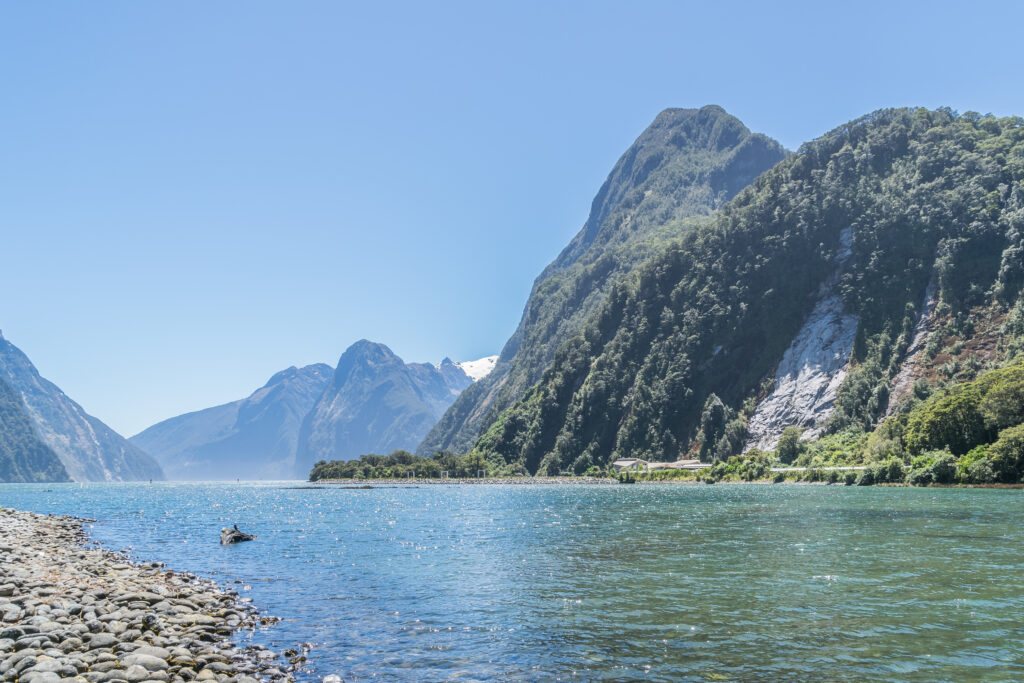
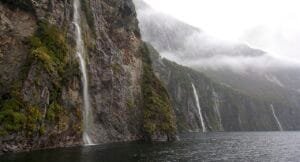
- Fiordland without crowds. Milford and Doubtful Sound cruises run year-round, and May is about as quiet as they get. It rains, which is the point.
- The aurora australis. The southern lights are visible from the deep south – Stewart Island, the Catlins, Otago and Southland – and the dark, long nights from about March to September are the season. Like any aurora it needs solar activity, clear skies and patience, and it is never guaranteed.
- Kaikoura whales – sperm whales are resident year-round, so there is no closed season.
- Rotorua and the geothermal north, which are unaffected by season and better in cool air.
- Driving – empty roads, and passes still open before winter closures.
What to be careful about
- Daylight is short and shortening – after the April clock change it is dark by about 5:30pm and getting earlier. Plan drives to finish in daylight; New Zealand roads are slower than the map suggests and rural roads are unlit.
- Alpine passes can get early snow. Carry chains if you are crossing the Lindis, Crown Range or Arthur’s Pass late in the month, and check conditions.
- Wet. May is a wetter month across most of the country.
Prices and crowds
The cheapest month of the New Zealand year, and the emptiest. If budget is the constraint and skiing is not the point, May is the answer. See what travelling New Zealand costs.
What to pack
Layers and a genuinely waterproof shell. Warm clothing for South Island nights. Strong sun protection regardless – New Zealand UV is severe year-round. Headlights-on driving awareness for short days. Merino, which is sold everywhere here and is the right answer for this climate.
The May 2027 calendar
- Saturday 1 May – Great Walks switch to winter status; huts unstaffed, bookings not required on most tracks, and several routes become alpine undertakings.
- First half of May – the last of the Central Otago autumn colour.
- Through May – ski fields closed; opening from around mid-to-late June.
- Through May – aurora australis season in the deep south; dark nights and no crowds.
- Through May – the cheapest rates and quietest roads of the year.
- No public holidays fall in May in New Zealand.
Where to go in May
- Northland and the Bay of Islands – the mildest corner of the country in May, and the one place where the coast is still genuinely pleasant.
- Rotorua and Taupo – hot pools, geothermal steam in cold air, and off-season prices. The best-value region in the country this month.
- Queenstown and Wanaka – between seasons. The autumn colour has gone and the lifts are not running yet, which makes it the cheapest the lake towns get all year.
- The West Coast – Franz Josef, Fox and the Punakaiki coast with barely anyone on the road. Expect rain and take it as part of the deal.
- Fiordland – wet and empty. The Great Walks move to their winter, off-season status from 1 May, so plan cruises and day walks rather than multi-day tramps.
- Kaikoura – sperm whales are resident year-round, and May seas are often calmer than midwinter.
The general rule for May is to go north for weather and south for silence. If your priority is having a famous place to yourself, this and September are the two months to pick.
Read alongside
- New Zealand in April – autumn colour and ANZAC Day.
- New Zealand in June – Matariki and the ski season opening.
- New Zealand in November – the spring equivalent.
- Best time to visit New Zealand – all twelve months compared.
- New Zealand in 10 days – how the islands connect.
- New Zealand travel guide – North Island, South Island and Fiordland.
- Cost of travelling New Zealand – the cheapest month of the year.
Frequently asked
Is May a good time to visit New Zealand?
It is the cheapest and quietest month. Autumn is finishing and the ski fields have not opened, so it suits driving, Fiordland, the geothermal north and anyone travelling on a budget.
Can you ski in New Zealand in May?
No. The commercial fields around Queenstown and Wanaka, and Mt Ruapehu in the North Island, open from about mid-to-late June depending on snow.
What happens to the Great Walks in May?
They move to winter status on 1 May – huts unstaffed, facilities reduced, fees lower and bookings not generally required. Several routes, notably the Routeburn and Milford, become alpine trips with avalanche risk and should not be attempted without the right experience.
Can you see the southern lights in New Zealand?
From the deep south – Stewart Island, the Catlins, Otago and Southland – during the dark months from roughly March to September. It needs solar activity, clear skies and patience, and it is never guaranteed.
How short are the days in May?
Dark by around 5:30pm and shortening, after daylight saving ended in early April. Plan drives to finish before dark – rural New Zealand roads are unlit and slower than the map suggests.
Is Milford Sound worth it in May?
Yes. Cruises run year-round and May is one of the quietest months. It will rain, which is what produces the waterfalls.
Do I need snow chains in May?
Possibly late in the month on alpine passes like the Lindis, Crown Range and Arthur’s Pass. Check conditions before crossing.
Is whale watching open in May?
Yes – Kaikoura’s sperm whales are resident year-round, so there is no closed season.
New Zealand month by month
- January – peak summer and peak domestic crowds.
- February – the warmest, driest month.
- March – late summer without the crowds.
- April – autumn colour in Central Otago.
- May – the quiet month before the snow (this page).
- June – Matariki and the ski season opening.
- July – peak ski season and school holidays.
- August – the deepest snow, the smallest queues.
- September – blossom, spring snow, clocks forward.
- October – the Great Walks reopen.
- November – long days, lupins, no crowds yet.
- December – summer proper and the Christmas rush.
You Might Also Love

Written by
John Morrison is the founder and lead travel writer at Packzup. Over the past decade he has explored destinations across Africa, the Americas, Asia, Europe, the Middle East, and Oceania — always self-funded, never on a press trip.