Quick Answer
The Ring of Fire runs around the Pacific through Japan, Indonesia, the Philippines, New Zealand, Chile, Kamchatka, Alaska and the US Cascades. Iceland and Hawaii are volcanic but sit outside it. Always check the official alert level before visiting any active volcano.
The Ring of Fire is a horseshoe of subduction zones around the Pacific holding most of the world’s active volcanoes and the majority of its large earthquakes. Visiting is straightforward and rewarding — provided you take the monitoring seriously.
Volcano Destinations Around the Pacific
1. Iceland — the Atlantic exception
Best months: Jun–Aug · 9–13°C days · rainy (climate data)
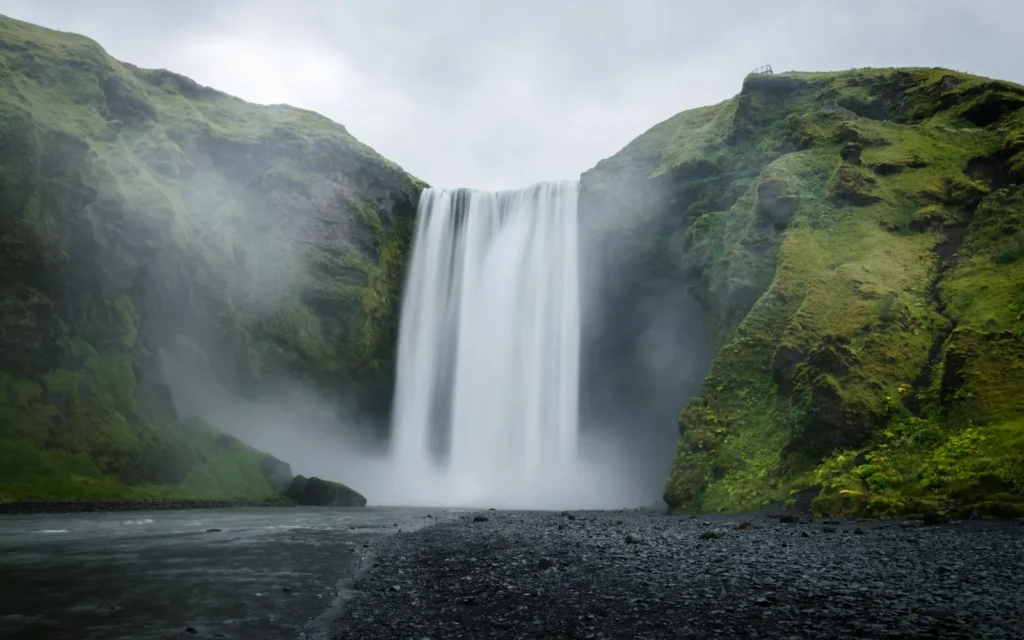
Not on the Ring of Fire at all but on the Mid-Atlantic Ridge — worth knowing, since it is the volcanic destination most people name first.
2. Japan
Best months: Sep–Nov · 14–22°C days · rainy (climate data)
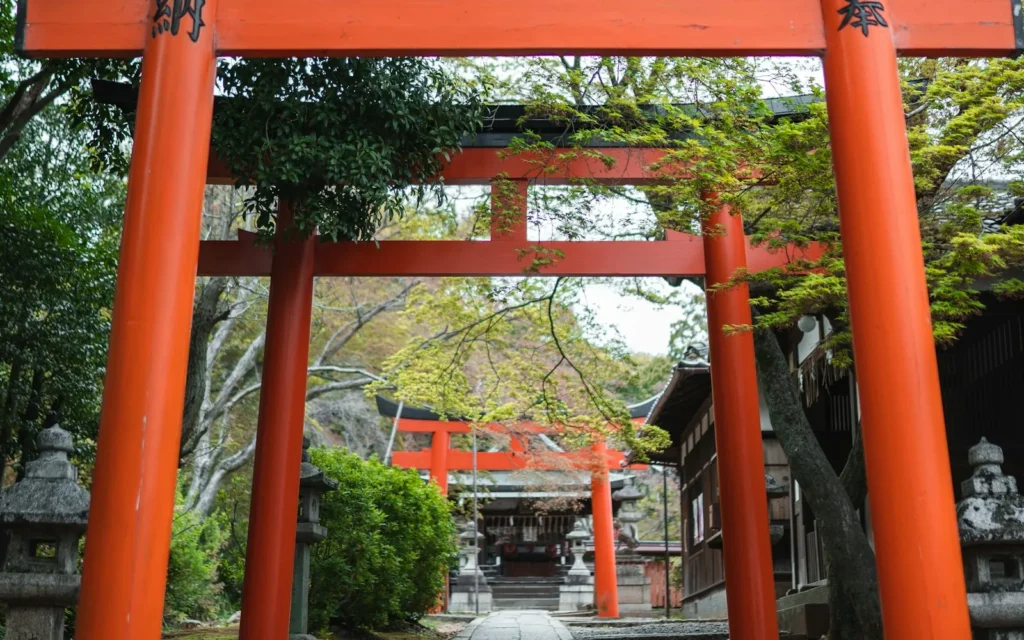
Over a hundred active volcanoes, the reason for the onsen culture, and among the best-monitored geology on earth.
3. Indonesia
Best months: Jun–Aug · 23–32°C days · some rain (climate data)
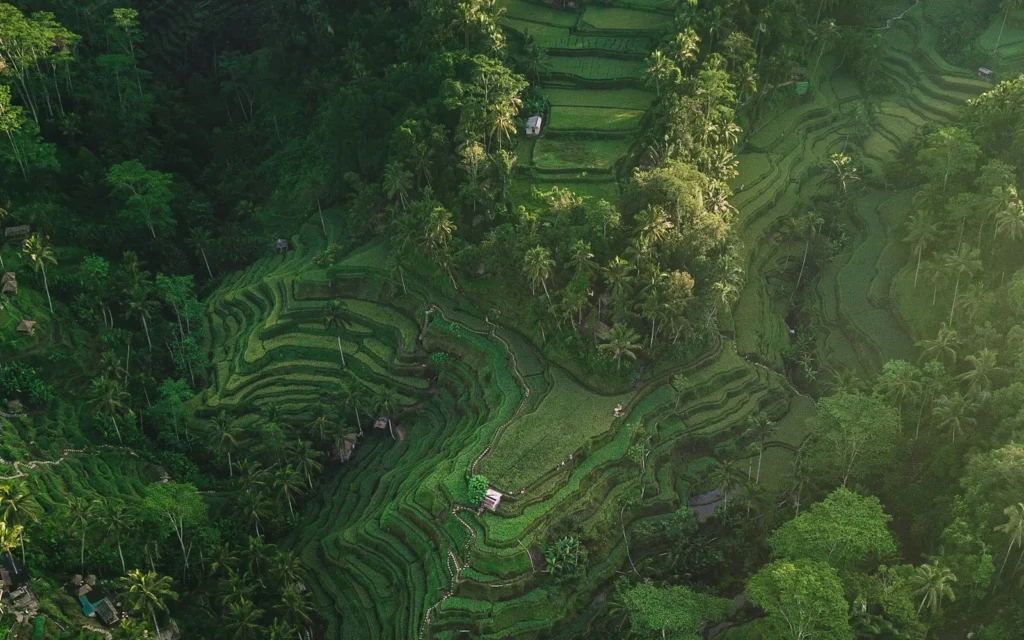
More active volcanoes than any other country. Bromo and Ijen are the accessible icons; Krakatoa is the famous one.
4. The Philippines
Best months: Dec–Feb · 23–29°C days · dry (climate data)
Mayon’s near-perfect cone and Taal’s lake-within-a-crater, both closely monitored and periodically closed.
5. New Zealand
Tongariro’s volcanic plateau, Rotorua’s geothermal fields, and White Island — where a 2019 eruption killed visitors and permanently changed how such sites are managed.
6. Chile and the Andes
Best months: Oct–Dec · 12–26°C days · dry (climate data)
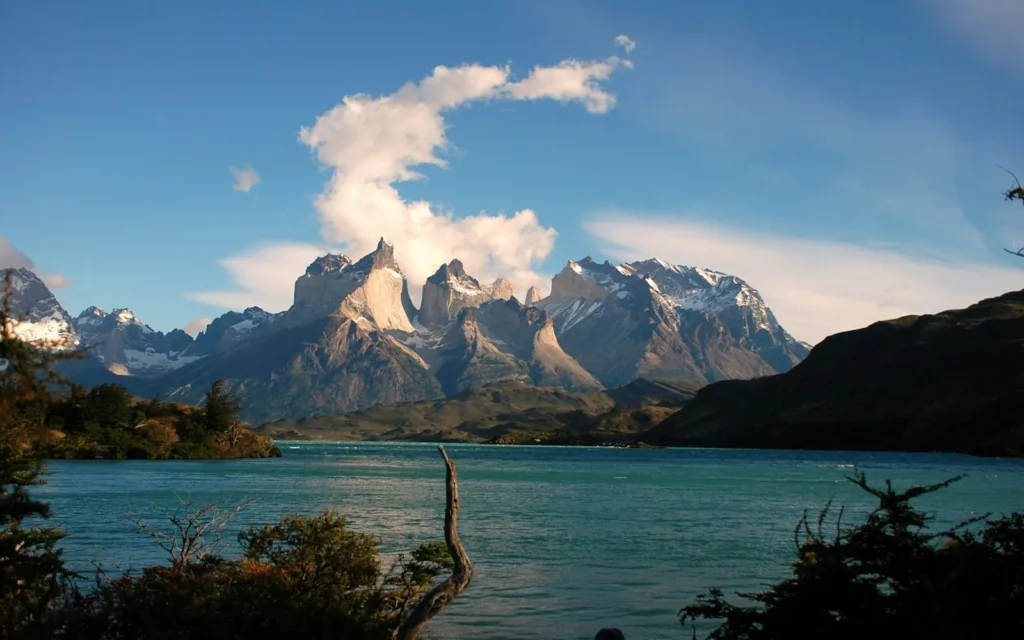
A long chain of active cones down the spine of the continent, with Villarrica among the most climbed.
7. Kamchatka, Russia
An extraordinarily dense concentration of volcanoes in the Far East, remote and difficult to reach.
8. Alaska and the Aleutians
A long volcanic arc, mostly accessible only by air or ship.
9. Hawaii
Best months: Jun–Aug · 23–29°C days · some rain (climate data)
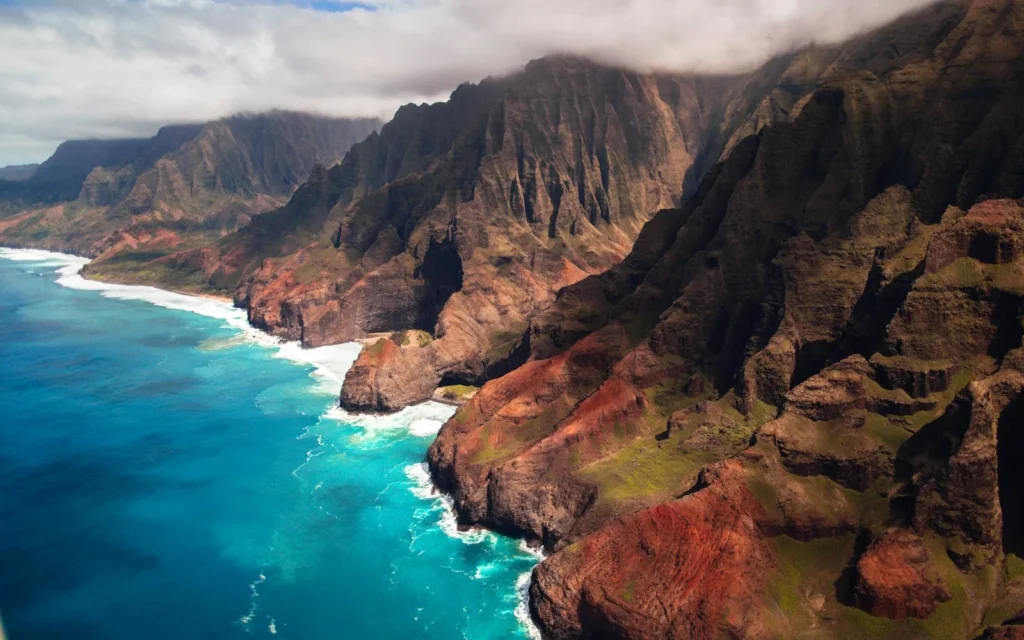
A hotspot rather than a subduction zone, which is why the eruptions are effusive and comparatively approachable at Volcanoes National Park.
10. Cascadia — Washington and Oregon
Rainier, St Helens and Hood, sitting above a subduction zone at the eastern edge of the Ring.
Check the official alert level before every visit, and obey closures absolutely. Volcanic activity changes over hours, volcanic gas is invisible and collects in hollows, and exclusion zones exist because people have died inside them — the 2019 White Island eruption in New Zealand killed twenty-two visitors and guides. Use the national monitoring agency — JMA in Japan, PHIVOLCS in the Philippines, GeoNet in New Zealand, USGS in the United States — not a tour operator’s reassurance.
Visiting active volcanoes
Go with a licensed guide on anything involving a crater, and carry a mask rated for particulates plus goggles where sulphur dioxide is present — Ijen’s blue flames in particular require proper respiratory protection, not a cloth mask. Sturdy boots matter; volcanic rock destroys soft shoes and cuts badly when you fall on it.
Start early. Most crater hikes are done at night or dawn for the views and to avoid afternoon cloud, so bring a headtorch and far warmer layers than the tropical setting suggests — summits are cold. Check whether your travel insurance excludes travel against official advice, because entering a restricted zone will usually void it entirely.
Frequently Asked Questions
Is Iceland part of the Ring of Fire?
No. Iceland sits on the Mid-Atlantic Ridge, a spreading zone rather than a subduction zone, which is why its eruptions behave differently.
Which country has the most active volcanoes?
Indonesia, followed by Japan and the United States.
Is it safe to visit an active volcano?
Generally yes with a licensed guide and the alert level checked — but conditions change fast and closures must be obeyed without exception.