Last updated September 4, 2026 · Editorial policy
Quick verdict: Iceland is solo-female-friendly + adventurous-traveler paradise. Tiny population (380K) + universal English + extreme safety. Ring Road circuit is solo-friendly. Built across 2 personal Iceland trips.
More: When to visit Iceland · Iceland travel guide
8 essential solo travel tips for Iceland
Rent 4WD SUV for Ring Road
Solo-driveable. F-roads need 4WD. Book 2+ months ahead June-August. Blue Car Rental + Cars Iceland are reliable.
Stay at HI Hostels Iceland
Affordable solo hostels around Ring Road. Hostel Reykjavik + Vik Hostel + Skogar Hostel.
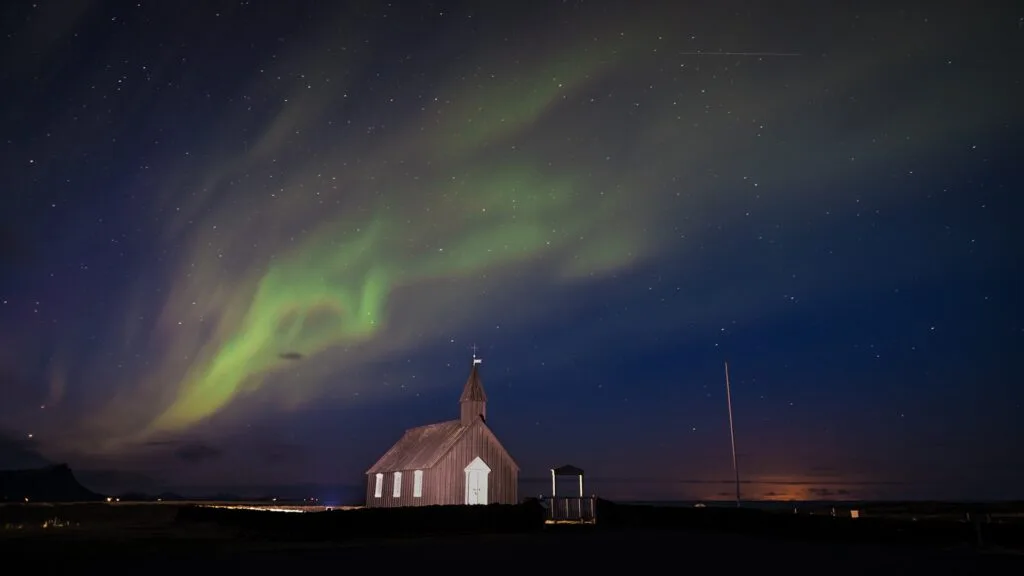
Northern Lights chasing solo
Self-drive better than tours for aurora. Drive out from Reykjavik when KP index 3+. Stay 4+ nights for odds.
Pack waterproof + layers
Iceland weather changes hourly. Pack rain jacket + thermal layers + waterproof boots even in summer.
Stop at gas-station hot food
Iceland has limited restaurants. Gas stations serve hot dog stands + soup. Faster + cheaper than restaurants.
Free hot springs
Reykjadalur (free hot river hike) + Seljavallalaug (cliff-side pool) are free. Skip Blue Lagoon ($80).
Iceland gas station = social meetup
Gas station coffee stops on Ring Road have other solos. Easy meetup over $5 cinnamon buns.
Off-peak = December-February
Northern Lights peak. Aurora-only travelers find Iceland less crowded + cheaper than summer.
6 best regions for solo travel in Iceland
Reykjavik (Centrum)
Capital with all attractions walking distance. Hallgrimskirkja church + thermal pools + Old Harbor. Solo-friendly bars.
South Coast (Vik area)
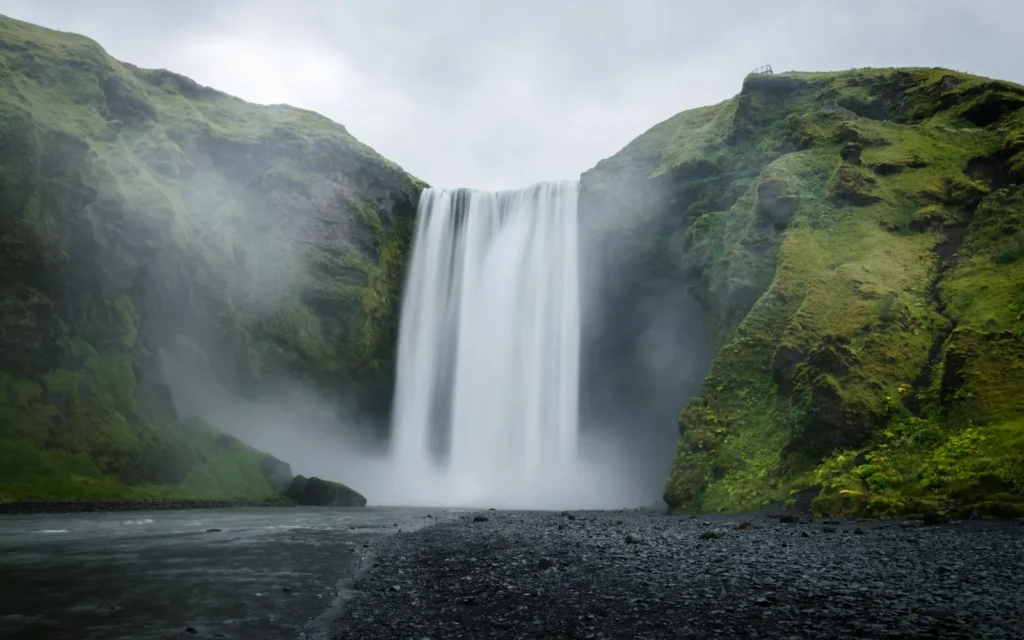
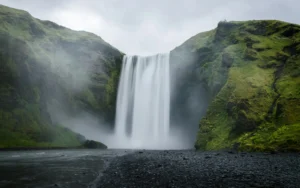
Iconic waterfalls + black sand beaches + glaciers within 90 min drive. Stay 2 nights in Vik.
Snaefellsnes Peninsula
“Iceland in miniature” — black beaches + Kirkjufell + volcanic landscape. Day trip from Reykjavik OR 1 overnight.
Westfjords (Isafjordur)
Northwest Iceland. Less touristy. Dynjandi waterfall + Latrabjarg cliffs. Most authentic Iceland.
Akureyri (Northern)
Iceland’s second city. Whale watching + Myvatn area + Husavik whales. Skip if Ring Road first-time.
Highlands (Landmannalaugar)
Rhyolite mountains + hot springs. June-September only. F-road access requires 4WD.
Compare Iceland tours and tickets →
Helpful Packzup guides
Is Iceland a good solo destination, and for whom?
Iceland works well for a first solo trip, with one structural catch: nearly everything is priced for two people. A guesthouse room costs close to the same whether one person or two sleeps in it, and a rental car has nobody to split fuel and insurance with, so the per-head total for a solo trip lands well above the same trip shared. That gap is the main thing to design around, not safety.
There are two ways out of it. Hostels do not apply a single-occupancy supplement, and the Hostelling International network in Iceland runs around 18 properties spread across the regions rather than clustering in the capital, which makes a dorm-and-guesthouse loop realistic outside Reykjavik. The other route is to skip the car and buy scheduled day tours from the capital, which removes the biggest single-traveller cost and hands the driving to someone else.
The country suits people who are content with long, thinly populated driving days and happy to spend an hour at one waterfall. Anyone hoping for dense nightlife or cheap casual eating out will find it quieter and pricier than southern Europe. First-time solo drivers should think carefully about a midwinter trip, because a four-hour daylight window changes how much a day can hold and how much of the driving happens in the dark.
How do you move around Iceland alone: car, bus or day tours?
A rental car is the default, because the alternatives thin out quickly once you leave the capital region. Route 1, the Ring Road, runs about 1,309 km around the island and adds up to roughly 17 to 20 hours of pure driving, so a loop with actual stops needs about six days as a floor and a week to ten days to feel unhurried. Straeto runs the city buses and also operates rural coach routes, but coverage away from towns is sparse, and the Klapp app does not sell rural tickets, which are paid on board instead.
The F-prefixed mountain roads into the interior are a separate system. They are seasonal, generally opening between mid-June and early July as the snowmelt settles and closing again through September, and a 4×4 is a legal requirement rather than a recommendation. Taking a 2WD onto one voids the rental insurance. Unbridged river crossings are excluded from every insurance tier, even on vehicles rated to ford, and driving off marked tracks is illegal across the whole country.
Build two checks into each morning: road.is for road status, which can change overnight, and vedur.is for warnings, graded yellow, orange and red. A red warning means postponing the drive.
Safety, staying connected and meeting people alone
The realistic risks in Iceland are environmental rather than criminal, so solo safety here is largely a logistics exercise. The emergency number is 112, covering police, ambulance, fire and search and rescue. The 112 Iceland app adds a text route to the same operators and sends your position along with the details you have stored in it, which helps where a spoken call is difficult or the signal is weak.
For anything beyond a roadside stop, meaning a highland route, a long hike or a winter drive between regions, file a travel plan at safetravel.is. The service is free, and a registered plan is one of the first things responders look for when a call comes in, because it lets them search a corridor rather than a region. Telling your guesthouse when you expect to be back costs nothing and does a similar job on a smaller scale. Mobile coverage drops in parts of the highlands and the fjords, so download offline maps before leaving a town.
Meeting people is easier than the low population suggests. Hostel common rooms and the shared kitchens in guesthouses do most of the work, and geothermal public pools are an ordinary daily social setting in Icelandic towns rather than a tourist activity. Multi-day small-group tours put the same faces around you for several days running.
| Season | Daylight in Reykjavik | Highland F-roads | What it means solo |
|---|---|---|---|
| December to February | About 4 hours at midwinter, near 10 by late February | Closed | Two stops a day at most in midwinter; much driving in the dark, so base yourself in fewer places |
| March to May | Rising from about 10 hours to about 20 | Closed | Ring Road viable again; fewer people in hostels than midsummer |
| June to August | Up to about 21 hours near the solstice | Opening mid-June to early July | Long days allow five stops; book cars and rooms well ahead |
| September to November | Falling from about 14 hours to about 5 | Closing through September | Cheaper and quieter, but weather warnings become a daily check |
Frequently asked questions
Is Iceland safe for solo female travelers?
Best solo travel month in Iceland?
Cost of solo travel Iceland 1 week?
Best Iceland hostel for solo?
Should I rent car or take tours in Iceland?
Updated 2026. Some links on Packzup are affiliate links.
You Might Also Love


Written by
John Morrison is the founder and lead travel writer at Packzup. Over the past decade he has explored destinations across Africa, the Americas, Asia, Europe, the Middle East, and Oceania — always self-funded, never on a press trip.