

Last updated August 22, 2026 · Editorial policy
Quick Answer
Japan, South Korea, Taiwan and Singapore are widely considered the easiest countries in Asia for solo female travellers, with Vietnam, Thailand and Malaysia close behind. India and Nepal are rewarding but ask for more preparation. Precautions are practical, not restrictive.
Millions of women travel Asia alone every year, and in several countries it is easier than travelling alone at home. This guide is country by country, because “Asia” spans everything from Tokyo to rural Nepal — and because vague reassurance is no more useful than vague alarm.
Solo Female Travel in Asia, Country by Country
1. Japan
Best months: Sep–Nov · 14–22°C days · rainy (climate data)
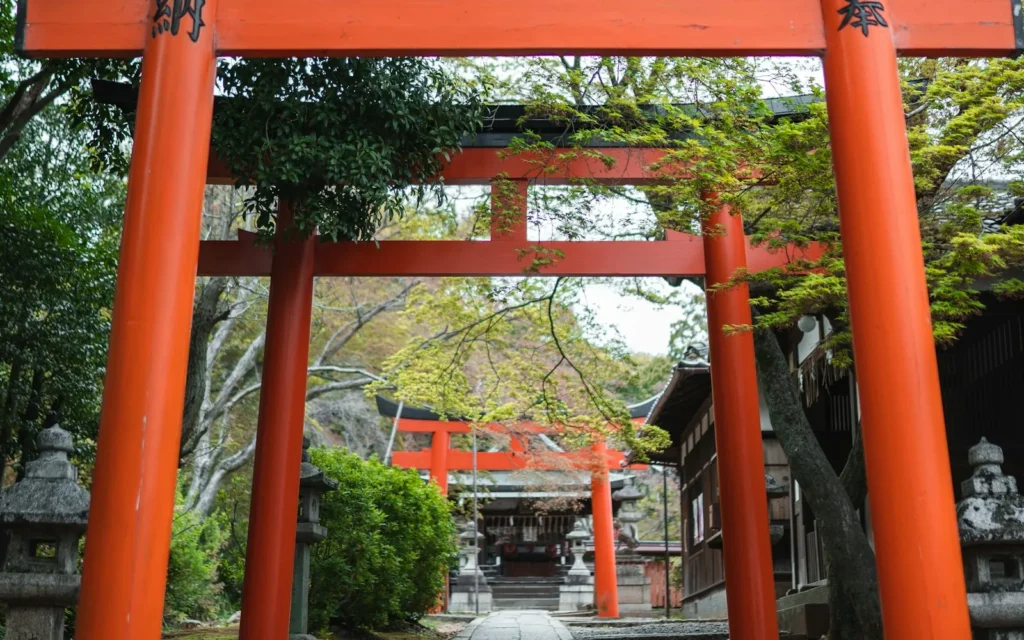
Consistently rated among the easiest countries anywhere for solo travel: reliable transport, very low rates of street crime, and a culture where eating and travelling alone is completely normal. Women-only carriages operate on many urban rail lines at peak times.
2. South Korea
Best months: Apr–Jun · 12–23°C days · some rain (climate data)
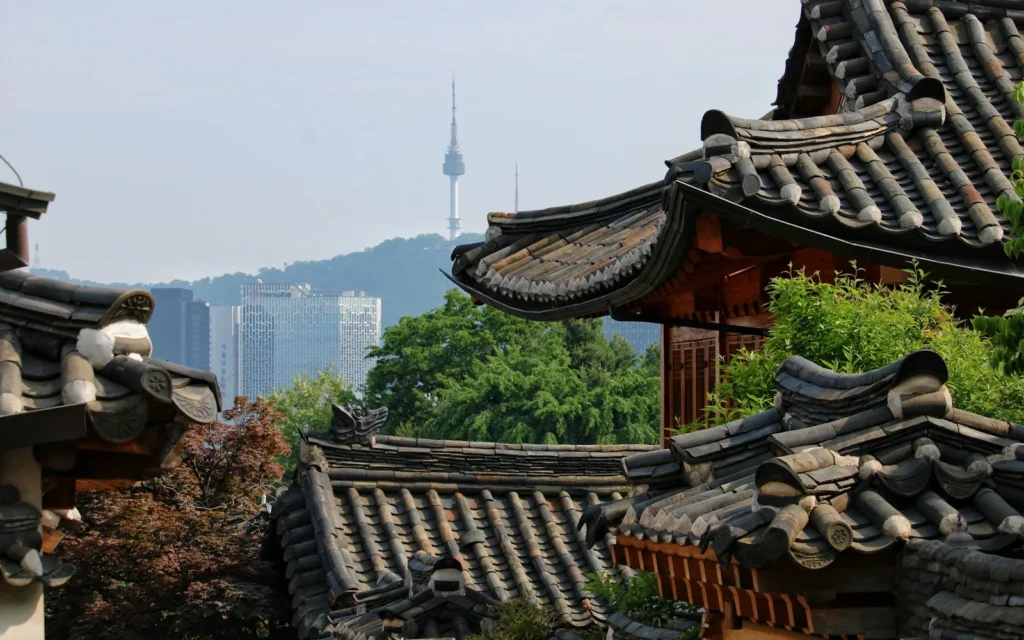
Excellent transport, widespread late-night activity and strong infrastructure. Seoul in particular is straightforward to navigate alone.
3. Taiwan
Small, safe and easy to circle by rail, with famously helpful strangers and night markets that stay busy late.
4. Singapore
Best months: Jun–Aug · 25–29°C days · rainy (climate data)
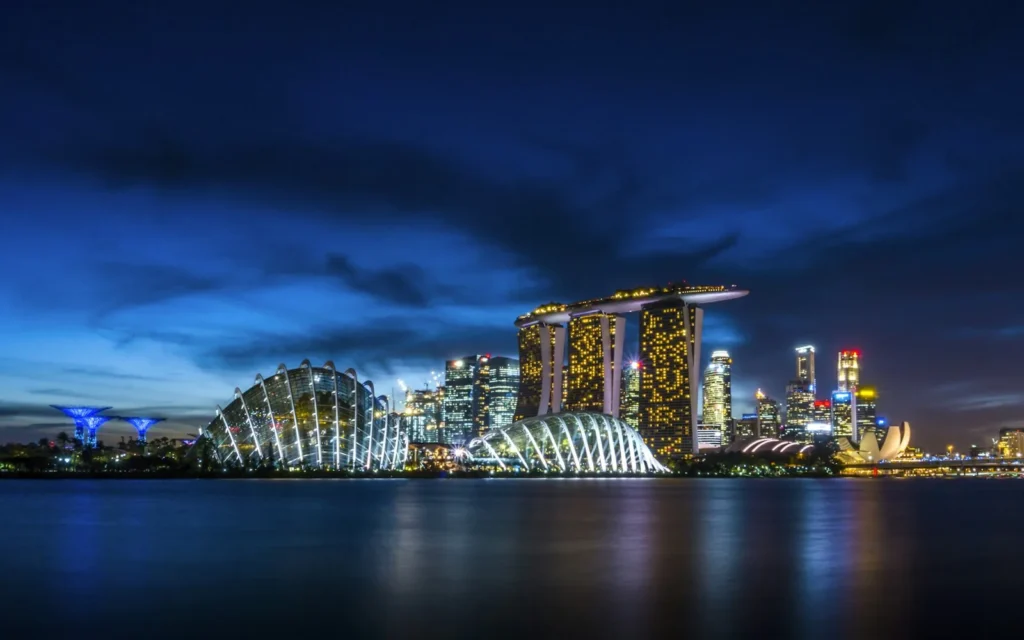
Among the lowest crime rates in the world, and an easy first stop for anyone travelling solo in Asia for the first time.
5. Vietnam
Best months: Nov–Jan · 14–22°C days · some rain (climate data)
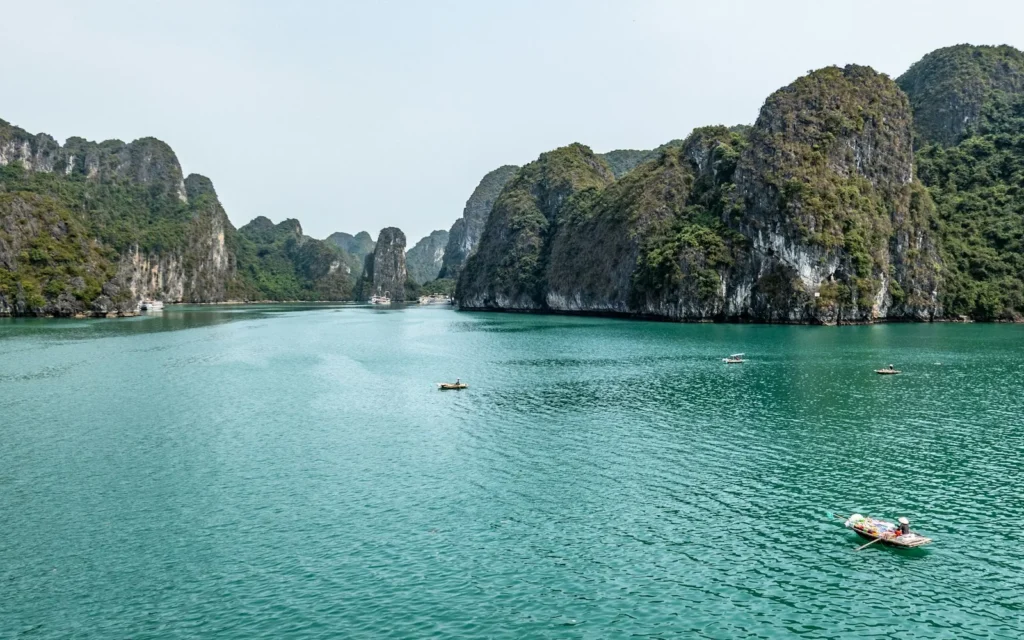
Well-worn backpacker infrastructure makes meeting people simple. Traffic is the genuine daily hazard rather than crime.
6. Thailand
Best months: Nov–Jan · 22–31°C days · dry (climate data)
The most developed traveller infrastructure in the region. Take normal precautions around drinks and scooters — road injuries affect far more visitors than crime does.
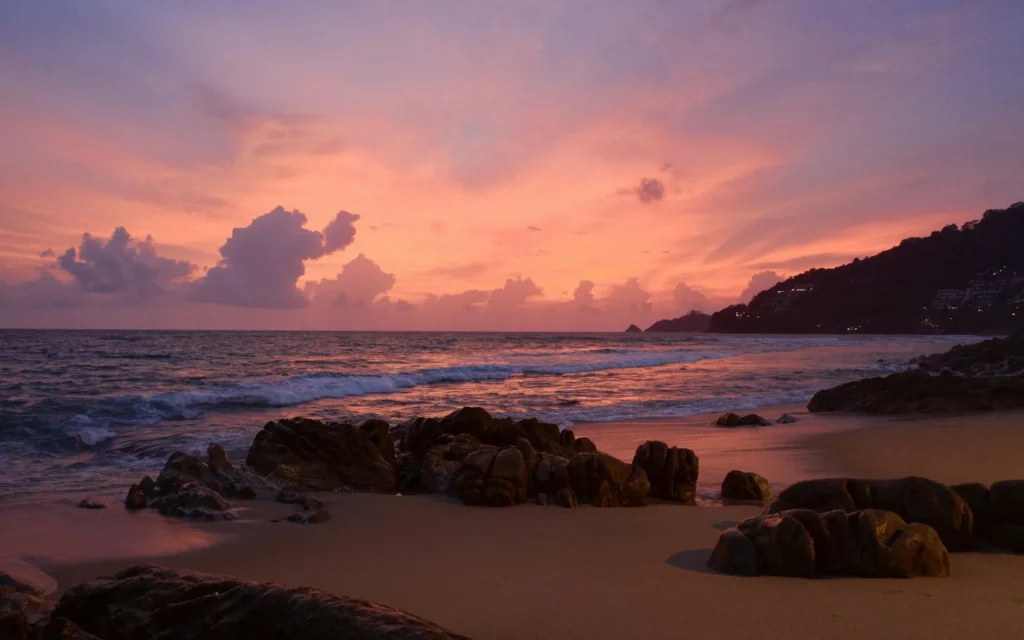
7. Malaysia
Best months: Jun–Aug · 24–31°C days · rainy (climate data)
English widely spoken and good transport. Dress more conservatively in the east-coast states and rural areas.
8. Nepal
Best months: Oct–Dec · 10–21°C days · dry (climate data)
Trekking is the draw, and hiring a licensed female guide through a reputable agency is common and worth doing on longer routes.
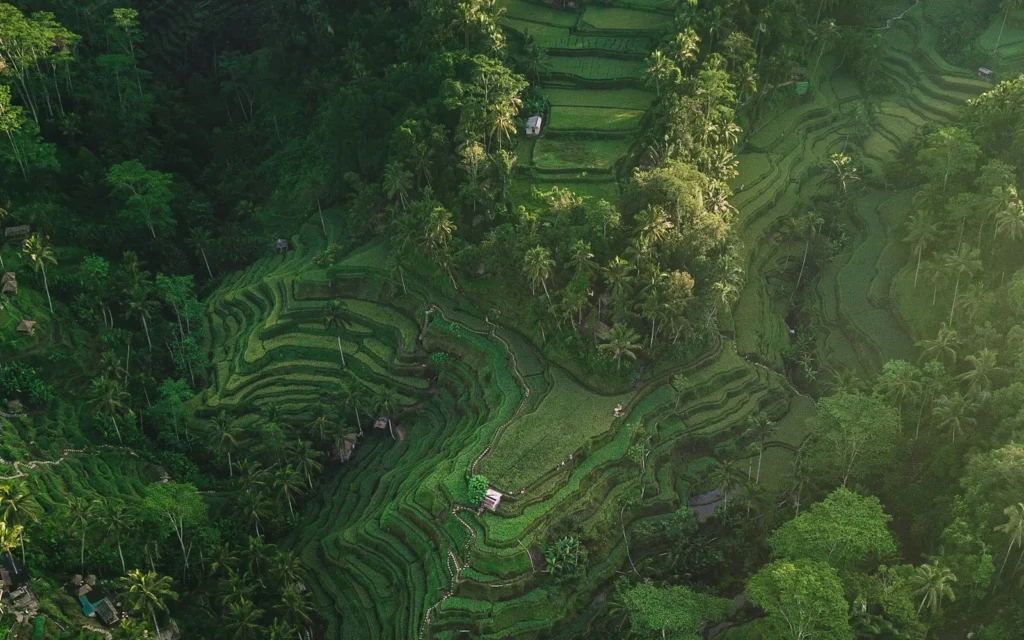
9. Indonesia (Bali)
Best months: Jun–Aug · 23–32°C days · some rain (climate data)
A large and well-established solo community, especially around Ubud and Canggu, which makes it easy to find company.
10. India
Best months: Nov–Jan · 9–21°C days · dry (climate data)
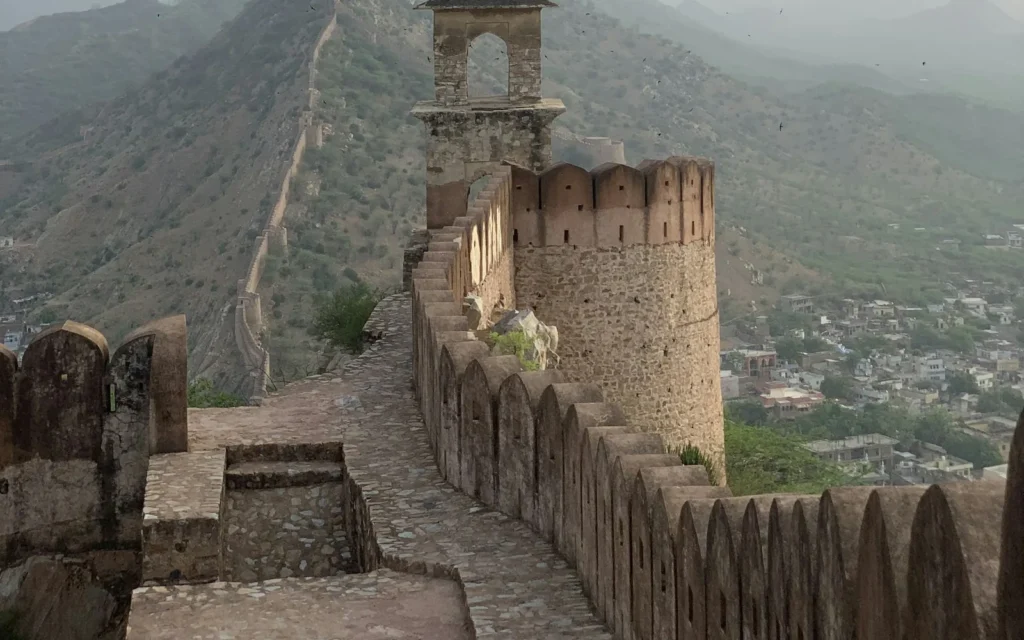
Extraordinary to travel in and the country most likely to require adjustment: expect staring and unwanted attention, dress conservatively, and prefer pre-booked transport and women-only train compartments where available.
A note on how to read this: nothing below implies that an incident is a traveller’s fault. These are the same risk-reduction habits experienced travellers of any gender use, plus the ones women report mattering most in practice. Check your own government’s current advisory for any country you are considering.
What actually helps
Arrival is the highest-risk moment, so book the first night in advance and arrange airport transfer through the accommodation rather than accepting an offer at the terminal. Land in daylight where you can.
Beyond that: share your itinerary with someone at home and check in on a schedule; keep a phone with local data and a power bank, because a dead phone is the real emergency; use registered ride-hailing apps where they exist so the trip is logged. Trust your instincts about a room, a driver or a situation and leave without worrying about seeming rude — that single habit is the one most experienced solo travellers name. Carry a card with your accommodation address in the local language, keep a spare payment card separately from your wallet, and dress to local norms in conservative areas, which reduces attention and is simply courteous.
On accommodation, hostels with women-only dorms and well-reviewed guesthouses both work well; read recent reviews specifically written by solo women, which are far more informative than star ratings. Many countries operate women-only rail carriages — Japan, India and Indonesia among them — and they are worth using at busy times.
Frequently Asked Questions
Which Asian country is safest for solo female travellers?
Is India safe for solo female travellers?
What is the single most useful precaution?
Related Articles
You Might Also Love



Written by
John Morrison is the founder and lead travel writer at Packzup. Over the past decade he has explored destinations across Africa, the Americas, Asia, Europe, the Middle East, and Oceania — always self-funded, never on a press trip.
