Quick Answer
The best active volcanoes to hike range from straightforward sunrise walks like Batur and Bromo to demanding climbs such as Acatenango, Villarrica and Rinjani, with Fuji, Etna and Stromboli in between. Here are 10, with difficulty and what each requires.
Standing on an active volcano is one of travel’s genuine thrills — but these are living mountains, and conditions change. These 10 span easy sunrise hikes to serious multi-day climbs, each with an honest note on difficulty and what you’ll need.
10 of the Best Active Volcanoes to Hike
1. Mount Fuji, Japan
Best months: Sep–Nov · 14–22°C days · rainy (climate data)
Japan’s icon, climbed by tens of thousands each July and August. The standard Yoshida route takes 5–6 hours up; numbers are now capped daily.
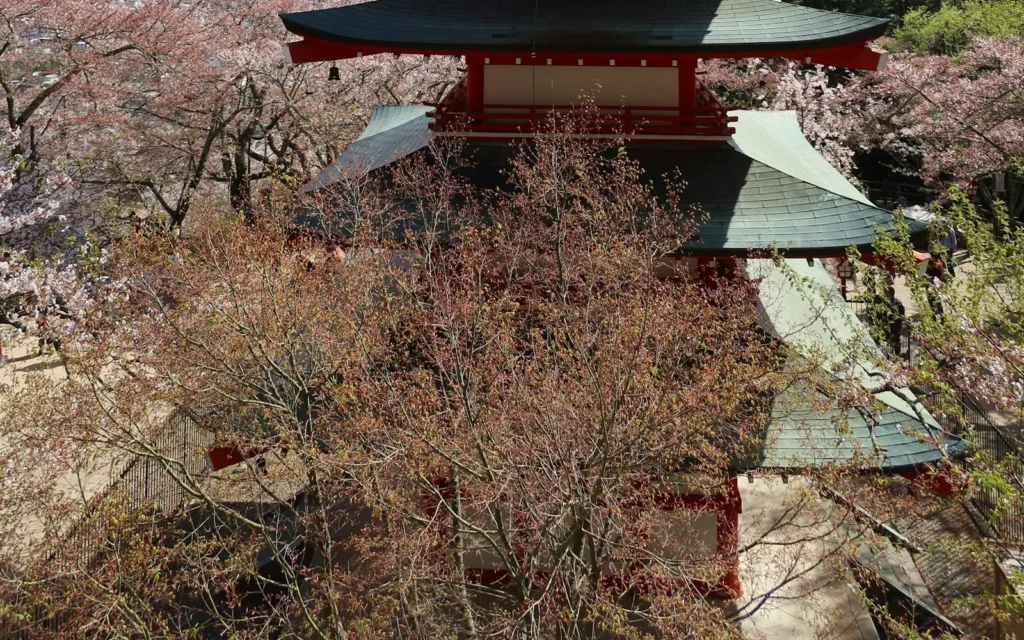
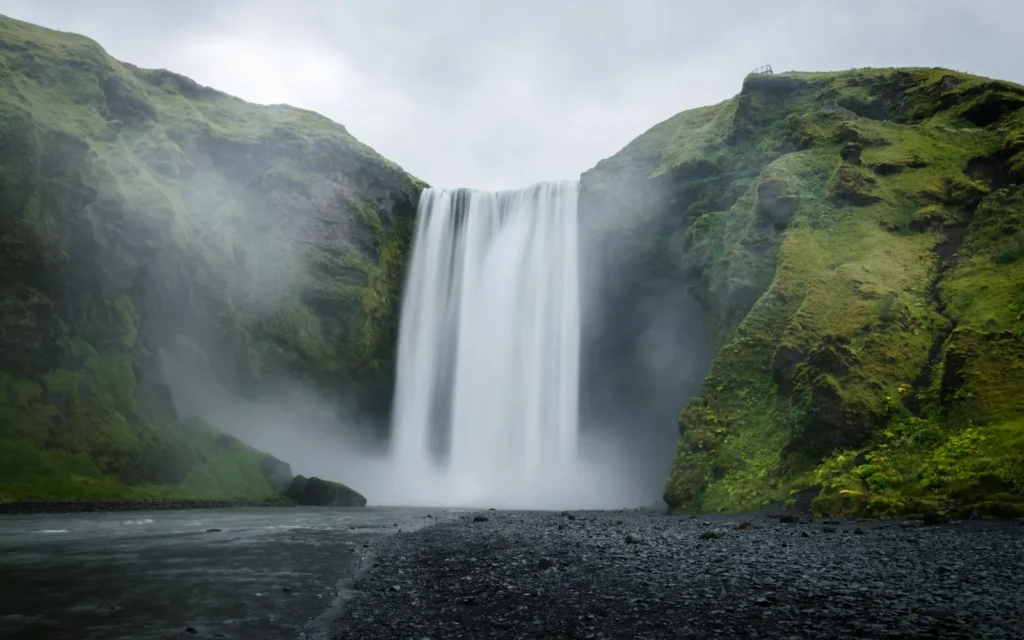
2. Iceland's volcano country
Best months: Jun–Aug · 9–13°C days · rainy (climate data)
Fagradalsfjall and the Reykjanes peninsula have erupted repeatedly since 2021 — access changes constantly, so follow official safety advice.
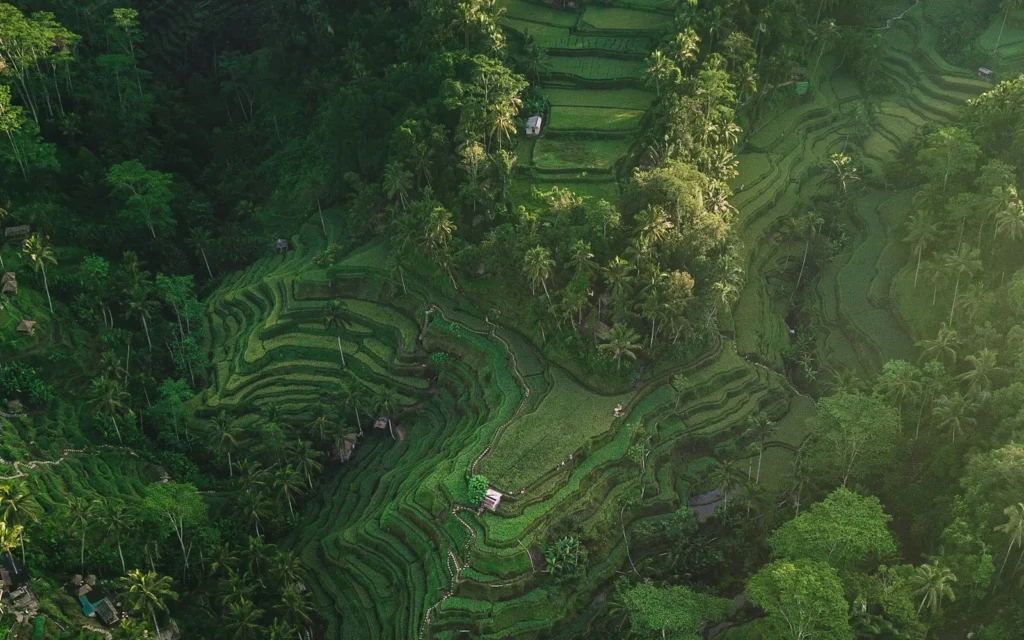
3. Mount Batur, Bali
Best months: May–Jul · 24–28°C days · rainy (climate data)
A pre-dawn start for sunrise above the caldera and Lake Batur — the most popular volcano hike in Southeast Asia, and one of the easiest.
4. Mount Bromo, Java, Indonesia
Best months: Jun–Aug · 23–32°C days · some rain (climate data)
A smoking cone inside a sea of volcanic sand, best seen at sunrise from the Penanjakan viewpoint.
5. Mount Etna, Sicily
Europe’s most active volcano, climbable year-round with a guide via cable car and 4×4 to the summit craters.
6. Villarrica, Chile
Best months: Oct–Dec · 12–26°C days · dry (climate data)
A glacier-covered cone above Pucón with a lava lake at the top — crampons, ice axe and a guide required.
7. Acatenango, Guatemala
Best months: Jan–Mar · 13–25°C days · dry (climate data)
An overnight hike with front-row views of neighbouring Fuego erupting through the night — tough but unforgettable.
8. Pacaya, Guatemala
Best months: Jan–Mar · 13–25°C days · dry (climate data)
A short, accessible hike over warm lava fields, often done as a half-day from Antigua.
9. Stromboli, Italy
Best months: Apr–Jun · 13–23°C days · rainy (climate data)
The ‘lighthouse of the Mediterranean’ has erupted almost continuously for millennia; guided evening climbs show it best.
10. Mount Rinjani, Lombok
A demanding multi-day trek to a crater lake and summit — one of Indonesia’s hardest and most rewarding.
Safety and practical advice
Volcanic activity is unpredictable: access can close at short notice, and routes that were safe last season may not be. Always check the local volcanological observatory and follow official guidance rather than blog reports. Several of these — Villarrica, Etna’s summit craters, Rinjani and the Guatemalan volcanoes — legally require a licensed guide, and that requirement exists for good reason. Start well before dawn for sunrise hikes, carry far more water than feels necessary, and bring a head torch, warm layers and sturdy boots: summit temperatures are often near freezing even in the tropics.
Frequently Asked Questions
Which active volcano is easiest to hike?
Mount Batur in Bali and Pacaya in Guatemala are the most accessible, both manageable in half a day.
Which is the hardest?
Rinjani in Lombok and Villarrica in Chile — the first for length, the second for its glacier and technical gear.
Is it safe to hike an active volcano?
With a licensed guide and current official advice, generally yes. Never ignore exclusion zones or closures.