
Last updated September 8, 2026 · Editorial policy
- Pasteis de nata, properly
- Bacalhau: the national obsession
- Sardinhas & the grill culture
- Porto's francesinha
- Seafood rice & the cataplana
- Wine, port & ginjinha
- Eating Portugal well
- The best food in Portugal: what to eat
- Best Food In Portugal FAQ
- The Alentejo two-punch: pork-and-clams and migas
- Two dishes worth planning a whole trip around
- How to choose, and how to actually get there
Quick answer: Portuguese food is the Atlantic on a plate: bacalhau in 365 disguises, grilled sardines in summer smoke, the custard-tart pilgrimage to Belem, francesinha excess in Porto and vinho verde that costs less than water and tastes like holiday.
More: When to visit Portugal · Portugal travel guide
Pasteis de nata, properly
Warm from the oven, cinnamon optional, at the famous Belem original or the brilliant pastelarias everywhere else: eat them daily; they are practically a food group. The blistered top is non-negotiable.
Bacalhau: the national obsession
Salt cod in endless forms: a bras (shredded with egg and crisp potato), com natas (gratinated in cream), grilled with smashed potatoes. Order a different one each night and understand the saying: a recipe for every day of the year.
Sardinhas & the grill culture
Continue planning your Portugal trip
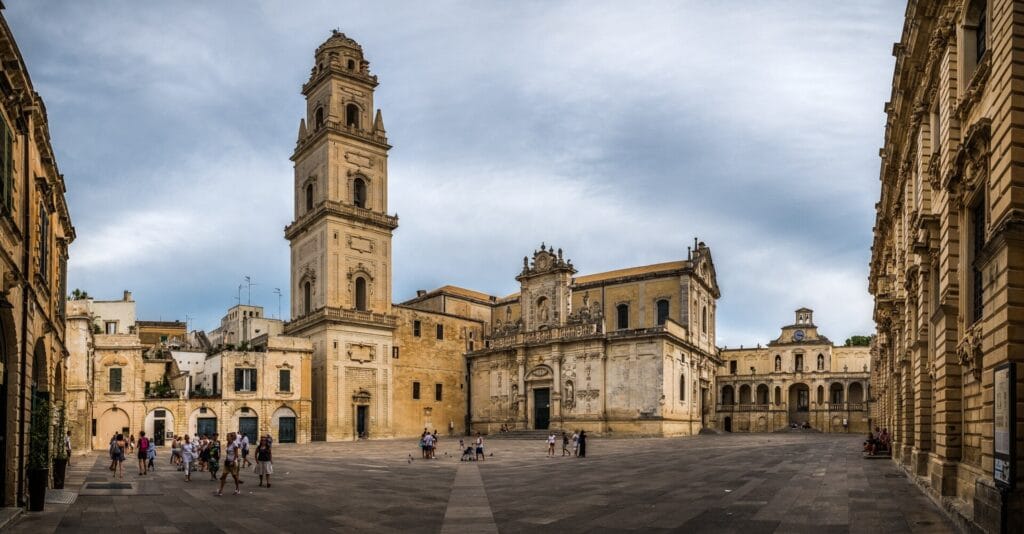
June festival season fills Lisbon’s Alfama with charcoal smoke and sardines on bread: but all summer, beach esplanades grill dourada, robalo and squid to lemon-oiled perfection.
Porto’s francesinha
A sandwich gone gloriously rogue: layered meats, melted cheese, beer-tomato sauce and a fried egg. One per trip is medically advisable and spiritually mandatory.
Seafood rice & the cataplana
Arroz de marisco (brothy, saffron-stained, prawn-stacked) and the Algarve’s clam-and-pork cataplana steam open at the table: Portugal’s great one-pot theatre.
Wine, port & ginjinha
Vinho verde’s spritz, Douro reds that rival anywhere, port lodges in Gaia for the education: and a one-euro shot of ginjinha (sour-cherry liqueur) at a Lisbon hole-in-the-wall counter for the culture.
Eating Portugal well
The couvert (bread, olives) is optional: wave it away or pay for it; daily pratos do dia at lunch cost less than dinner starters; and the further from the cathedral you walk, the better and cheaper the bacalhau gets. Coffee is a bica, drunk standing, after everything.
The best food in Portugal: what to eat
Portugal punches far above its size on food — seafood-rich, generous and brilliant value. The dishes to seek out:
- Bacalhau — salt cod, said to have 365 recipes; try bacalhau à brás.
- Pastéis de nata — warm custard tarts, best in Belém.
- Grilled sardines — the soul of summer, especially at Lisbon’s June festivals.
- Francesinha — Porto’s outrageous meat-and-cheese sandwich in beer sauce.
- Caldo verde — kale-and-potato soup with chouriço.
- Piri-piri chicken — flame-grilled and spicy.
Wash it down with vinho verde, a glass of port in Porto, or a strong bica espresso. Eat where the locals queue.
Best Food In Portugal FAQ
What is Portugal’s most famous dish?
Bacalhau (salt cod) — with hundreds of preparations — alongside the iconic pastel de nata.
What should I drink in Portugal?
Vinho verde, port (in Porto), and a bica espresso.
The Alentejo two-punch: pork-and-clams and migas
The dishes above get the glory, but the two plates that reveal how Portugal actually eats both come from the sun-baked plains of the Alentejo. First, carne de porco à alentejana: cubes of marinated pork and fresh clams in one pan with garlic, coriander, and a splash of white wine. It sounds like a mistake, land meat plus shellfish, and it is one of the great flavor combinations in European cooking. Why go: it proves surf-and-turf was a Portuguese idea centuries before it hit American steakhouses. Best season: autumn and winter, when the clams are fattest and the plate reads as comfort food, not beach food. Rough cost: about $12–18 as a main in an Alentejo tasca, cheaper inland than on the Algarve coast. Then there are migas, fried bread crumbs bound with pork fat, garlic, and often kale or asparagus, a peasant dish built to rescue stale bread that now appears on white-tablecloth menus.
- Planning note: order these in Évora or a village tasca, not Lisbon. The Alentejo cooks the pork from black Iberian pigs (porco preto) fattened on acorns, and you can taste the difference in a single bite.
- Skip the trap: if the pork tastes bland and the clams are rubbery, the clams were pre-cooked and reheated. A good plate has clams that opened in the pan.
Two dishes worth planning a whole trip around
Two Portuguese foods are destinations in themselves. The first is the humble bifana, thin slices of pork simmered in garlic, white wine, and a little chili, then jammed into a crusty roll, mustard optional. It is the country’s greatest cheap eat and its most democratic: office workers and taxi drivers stand shoulder to shoulder to inhale one. Rough cost: a proper bifana runs $2.50–4.50; if you see one on a glossy menu for $7 next to a hamburger photo, walk out. Planning note: in Lisbon, go to As Bifanas do Afonso (Rua da Madalena 146, weekdays until ~19:30, expect a lunch queue) or O Trevo on Praça Luís de Camões, the counter Anthony Bourdain called “hot, porky love.”
The second is a genuine bucket-list meal: cozido das Furnas on São Miguel in the Azores. Beef, pork, chicken, blood sausage, cabbage, and potato are packed into a cast-iron pot, buried in volcanic soil beside a steaming fumarole, and slow-cooked underground for about six hours. Why go: the earth itself is the oven. Best season: book 1–2 weeks ahead in July–August, 24–48 hours ahead off-season. Rough cost: roughly $22–38 per person at spots like Restaurante Tony’s; a guided day-trip from Ponta Delgada runs $55–85. Arrive by 12:00–12:30 to watch them haul the pots out of the ground.
How to choose, and how to actually get there
Do not try to eat all of this in one city. Portuguese food is fiercely regional, so let geography pick your plate. In Lisbon and the south: bifanas, grilled sardines, and the Alentejo’s pork-and-clams and migas (Évora is a 90-minute drive east). In Porto and the north: the francesinha and heavier, wine-braised dishes. On the coast anywhere: cataplana seafood and bacalhau. Only in the Azores: cozido das Furnas, which cannot be replicated on the mainland because it needs the volcano.
- Porto ↔ Lisbon: about 335 km. The Alfa Pendular train covers it in roughly 2h 50m for around $30–45; driving the A1 takes about the same but adds tolls. Book train seats a few days ahead in summer.
- Reaching the Azores: São Miguel is a ~2h 30m flight from Lisbon (about 2h 40m to Terceira), on TAP or Azores Airlines, with direct flights from Porto too. Skip the ferry unless you love the sea, inter-island crossings run 24–48 hours.
- Rough budget-per-day for eating well: $30–45 covers a bifana lunch, a tasca dinner, and a pastel de nata or two. Portugal remains one of Western Europe’s best-value food countries.
My rule: two mainland regions plus a short Azores hop is the sweet spot for a first trip. Chasing all nine dishes across the whole country turns a food trip into a logistics problem.
Planning the trip? Start with best time to visit Portugal.
You Might Also Love




Written by
John Morrison is the founder and lead travel writer at Packzup. Over the past decade he has explored destinations across Africa, the Americas, Asia, Europe, the Middle East, and Oceania — always self-funded, never on a press trip.
