
Last updated August 21, 2026 · Editorial policy
- 1. The Greek Islands
- 2. Croatia
- 3. Slovenia & Lake Bohinj
- 4. The Dolomites, Italy
- 5. Portugal
- 6. The Norwegian Fjords
- 7. The French Atlantic Coast
- Summer strategy
- Plan your trip to these destinations
- Why Each Pick Earns Its Spot: Season, Cost & the Insider Move
- How to Choose: Match the Destination to Your Trip
- Getting There: Practical Logistics for Each Region
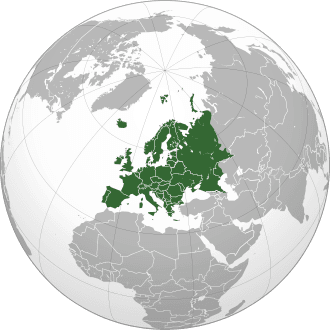
Quick answer: For summer 2026: the Greek islands and Croatia for sun-drenched coastlines, Slovenia and the Dolomites to escape the heat, Portugal for value, and the Norwegian fjords for the summer that never gets hot.
1. The Greek Islands
Naxos for families, Milos for coves, Paros for the balance of nightlife and charm. June and September deliver the same blue water as July at gentler prices and crowds.
2. Croatia
Island-hop from Split (Hvar, Vis, Brač) or base in Dubrovnik early-morning and late-evening to dodge the day-trippers. The sailing scene — crewed or flotilla — is Europe’s most accessible.
3. Slovenia & Lake Bohinj
When the Med swelters, Slovenia stays green: alpine lakes, the Soča river’s turquoise rapids and Ljubljana’s riverside cafes. Half the price of the Alps next door.
4. The Dolomites, Italy
Europe’s most dramatic summer hiking: rifugio lunches on mountain terraces, via ferrata for the brave and Alpe di Siusi’s meadows for everyone else. July wildflowers are the show.
5. Portugal
Atlantic beaches (cooler water, bigger skies), Lisbon and Porto’s food scenes and the Algarve’s coves — still Western Europe’s best summer value. Surf lessons in Ericeira make it active.
6. The Norwegian Fjords
Twenty-degree days, midnight light and ferry-linked villages beneath kilometre-high cliffs. Summer is the only season everything’s open — and it never feels crowded outside Geiranger.
7. The French Atlantic Coast
Île de Ré’s bike paths, Biarritz’s surf and oyster shacks at sunset — the summer France keeps for itself while the crowds fight over the Riviera.
Summer strategy
Book accommodation by March for July–August, or shift to June/September for 30–40% savings and the same weather in most of the Med. North for cool, east for value, islands for the postcard.
Plan your trip to these destinations
Every destination here is chosen from first-hand visits and independent research — Packzup runs no sponsorships or paid placements.
Why Each Pick Earns Its Spot: Season, Cost & the Insider Move
These five aren’t interchangeable. Here’s the honest breakdown of when to go, what you’ll actually spend, and the one thing locals know that guidebooks gloss over.
- The Greek Islands — Go for the impossible Cycladic light and that first plunge into glassy Aegean water. Best season: June or September; July-August is hot and packed. Cost: roughly $150-250/day mid-range. Insider tip: Skip the Piraeus port and sail to Mykonos from Rafina instead — high-speed boats run 2-4 hours and the crowds are a fraction of the main port.
- Croatia — Walled cities, pine-clad islands, and water so clear it looks fake. Best season: June or September to dodge the July-August festival crush. Cost: $130-220/day. Insider tip: Take the Krilo catamaran for the Dubrovnik-Hvar-Split run (around €50 a leg) — it’s faster and far more scenic than the bus.
- Slovenia & Lake Bohinj — The quiet, wild alternative to Bled, inside Triglav National Park. Best season: July-August, when the lake hits a swimmable 22-24°C. Cost: $100-160/day — the best value here. Insider tip: Ride the cable car up Vogel for the Julian Alps panorama, then swim in the lake the same afternoon.
- The Dolomites, Italy — Cathedral-like limestone peaks and a hut-to-hut culture you won’t find elsewhere. Best season: July to mid-September, once the rifugios are fully staffed. Cost: $140-230/day. Insider tip: Hike before noon — afternoon thunderstorms roll in like clockwork between 2 and 5 PM.
- Portugal — Atlantic surf, tiled cities, and seafood that ruins you for anywhere else. Best season: June or September; inland can hit 40°C in midsummer. Cost: around $270/day mid-range across Lisbon-Porto-Algarve. Insider tip: Base in the Algarve in shoulder season — hotels run €150/night in May versus €300-400 in August.
How to Choose: Match the Destination to Your Trip
Five strong picks, five very different summers. Choose by what you actually want from the week, not by which photo looked best.
- If you want beach-and-island bliss: The Greek Islands and Croatia are your two heavyweights. Greece wins for that whitewashed-village fantasy and warmer, calmer swimming; Croatia wins if you want walkable historic cities (Split, Dubrovnik) plus island-hopping in one trip. Both demand booking ferries 1-3 months ahead for July-August.
- If you want mountains and movement: The Dolomites are unmatched for serious hiking and via ferrata, with a refuge dinner-and-bunk culture that turns walking into a social adventure. Slovenia & Lake Bohinj is the gentler cousin — alpine scenery and a swimmable lake, with far smaller crowds and the lowest daily costs on this list.
- If you want variety in one country: Portugal stitches together big cities, surf beaches, and the Algarve coast with easy trains and short flights — the most well-rounded single-country option.
- If crowds and heat are deal-breakers: Go to Slovenia or the Dolomites. Both stay cooler at elevation and never reach the August saturation of the Greek and Croatian coasts or the 40°C inland Portuguese heatwaves.
- If budget is tight: Slovenia first, then Croatia. Portugal in peak summer is the priciest, with hotels and car rentals running 30-50% above low season.
Getting There: Practical Logistics for Each Region
The difference between a smooth trip and a stressful one is almost always the transfer plan. Here’s how to actually reach each destination — with the real times and fares that matter.
- Greek Islands: Fly into Athens, then ferry from Piraeus to Santorini (5 to 11+ hours, from about €46.50) or Piraeus/Rafina to Mykonos (the Seajets high-speed boats do Piraeus-Mykonos in roughly 2h40-2h50, from about €44). The island-to-island Santorini-Mykonos hop runs 1h55-3h15 from around €82.50. Book high-speed ferries 2-3 months ahead — they sell out.
- Croatia: Fly into Split or Dubrovnik. The Split-Hvar catamaran takes just 50 minutes (from €25) into Hvar Town, while the car ferry to Stari Grad is 1h50 and about €70 per vehicle. Reserve car spaces a month out for July-August — they vanish faster than foot-passenger tickets.
- Slovenia & Lake Bohinj: Fly into Ljubljana (LJU), just 35 km from Bled. A taxi or pre-booked shuttle reaches Bled in 30-40 minutes; Bohinj is about a 1-hour drive via the E61/A2. Hourly local buses connect Bled and Bohinj (30 km, ~30-40 min), with extra tourist shuttles in summer.
- Dolomites: There’s no airport in the range — fly into Venice or Innsbruck and rent a car; you’ll want one for trailheads. Base in Cortina d’Ampezzo (Veneto). Book rifugios 4-6 months ahead — ideally by February-March for popular Alta Via 1 huts, where the price covers bunk, dinner, and breakfast.
- Portugal: Fly into Lisbon or Porto; fast trains link the two cities, and short hops or a rental car reach the Algarve coast.
You Might Also Love

Written by
John Morrison is the founder and lead travel writer at Packzup. Over the past decade he has explored destinations across Africa, the Americas, Asia, Europe, the Middle East, and Oceania — always self-funded, never on a press trip.