
Last updated September 10, 2026 · Editorial policy
- Cost comparison: Germany wins, and it isn't close
- Food: the old cliché about England is wrong
- Beaches and nature: two different kinds of outdoors
- Cities and culture: one giant versus a deep bench
- Weather and when to go
- Getting around, entry rules, and safety
- Nightlife and vibe
- England or Germany: the honest verdict
- FAQ
It’s World Cup summer, and with the 2026 tournament sprawled across the USA, Canada, and Mexico, two of the countries watching most obsessively from afar are England and Germany, nations where football sits somewhere between pastime and religion. But this isn’t a football article. It’s a travel one, because sooner or later everyone planning a European trip ends up weighing these two against each other.
I’ve traveled both countries repeatedly, in every season, on everything from hostel-dorm budgets to comfortable mid-range trips, and my honest take is that they’re far less interchangeable than people assume. England is the better one-city blockbuster with a food scene that will genuinely surprise you. Germany is the better value, the better nature, and the better night out. Here’s the full breakdown, so you can pick the right country for your trip rather than the more famous one.
| Category | England | Germany | Winner |
|---|---|---|---|
| Daily budget | $90–300 typical, London-heavy | $60–200 for the same comfort | Germany |
| Food | London is world-class; pubs underrated | Bakeries, beer halls, döner | England |
| Beaches/Nature | Cornwall, Lake District, chalk cliffs | Alps, Black Forest, Baltic cliffs | Germany |
| Cities & culture | London plus Bath, York, Oxford | Berlin, Munich, Hamburg, Cologne | England |
| Weather | Mild, damp, rarely extreme | Hotter summers, proper winters | Germany |
| Ease of travel | Compact but pricey trains | Dense rail, cheap passes, some delays | Germany |
| Nightlife | Pub culture, earlier nights | Berlin clubs, beer gardens | Germany |
| Value for money | Weak in London, fair up north | Strong almost everywhere | Germany |
Cost comparison: Germany wins, and it isn’t close
Start with the number that shapes everything else. In England, a realistic budget day in London runs $90 to $130: a hostel dorm at $45 to $60, supermarket meal deals, free museums, and a pint you’ll wince at paying $8 for. Outside London, in cities like York, Liverpool, or Newcastle, $70 to $100 a day is very doable. Mid-range travelers should plan on $200 to $300 a day in London, where a decent 3-star hotel runs $150 to $220, and $150 to $220 a day elsewhere. Luxury starts around $450 and climbs quickly.
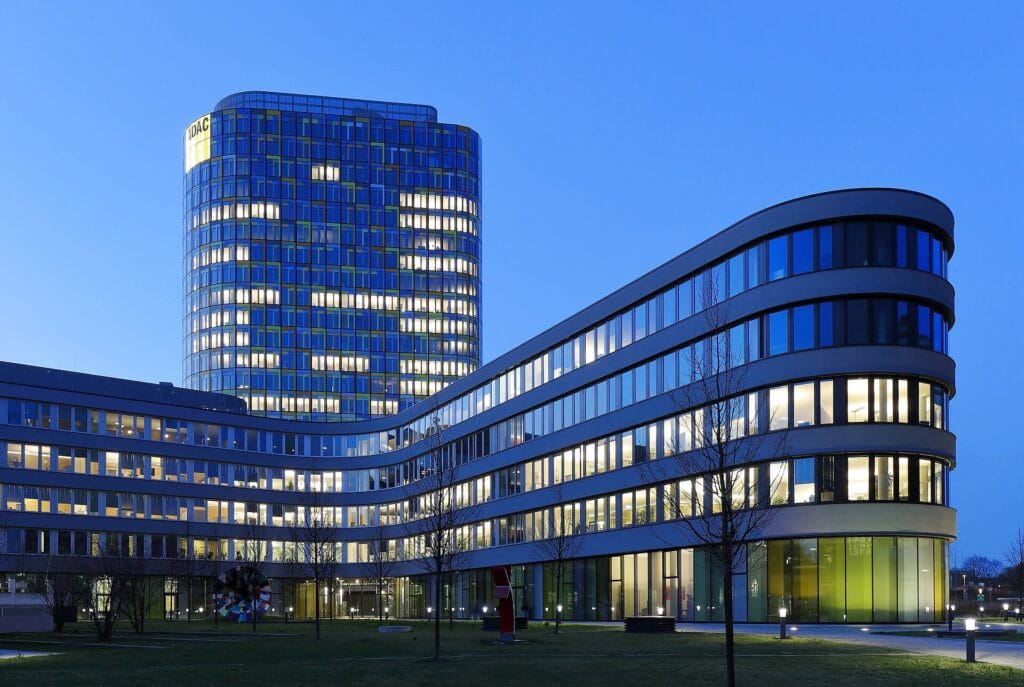
Germany is simply cheaper at every level. Budget travelers manage on $60 to $90 a day almost anywhere: dorms at $25 to $40, a döner kebab for $6, supermarket beer for pocket change. Mid-range lands around $130 to $200, and even in Munich, the priciest German city, a comparable hotel costs meaningfully less than its London equivalent. Luxury runs $300 to $450 for what would cost half again as much in England. Berlin remains one of the best-value capitals in Western Europe, which still feels like a glitch.
The honest math: the same trip costs roughly 25 to 40 percent more in England, and most of that gap is London hotels and train tickets.
Food: the old cliché about England is wrong
If your mental image of English food is grey meat and mushy peas, it’s about two decades out of date. London is now one of the best food cities on the planet, not because of English food alone but because of everything else: Indian food that outclasses most of what you’ll find outside India, Turkish grills, West African kitchens, dim sum, and a market scene around Borough and Maltby Street worth building a morning around. Beyond London, a proper Sunday roast in a countryside pub and fish and chips eaten by the sea are genuinely great experiences, not consolation prizes.

Germany’s food is heartier and narrower. The bakeries are the underrated star; German bread culture is arguably the best in the world, and a $3 bakery breakfast beats most hotel buffets. Beyond that it’s schnitzel, sausages, spätzle in the south, and the Berlin-style döner, which deserves its own food group. Beer gardens double as restaurants, and the beer itself often costs less than bottled water. The catch: outside the big cities, menus repeat themselves, and vegetarians will work harder than they would in London.
For a food-first trip, England wins on variety and ambition. If eating is the entire point of your vacation, though, you should probably be reading our Italy vs Spain comparison instead.
Beaches and nature: two different kinds of outdoors
Honesty first: nobody should pick either country for a beach vacation. The sea is cold even in August, and the weather can cancel a beach day with an hour’s notice. If sand and swimming are the priority, look at Croatia vs Portugal or Greece vs Portugal and thank yourself later.

That said, England has the prettier coastline. Cornwall’s beaches around St Ives look almost Mediterranean on a sunny day, Newquay has a real surf scene, and the chalk walls of the Seven Sisters make one of Europe’s great coastal walks. Inland, the Lake District and the Peak District deliver the green, stone-walled hiking country England does better than anywhere.
Germany counters with bigger scenery. The Bavarian Alps are proper mountains, with the Zugspitze, the fjord-like Königssee, and hiking that rivals Austria next door. The Black Forest is dense and storybook-dark, Saxon Switzerland’s sandstone towers feel like another continent, and Rügen’s chalk cliffs give the Baltic coast real drama.
England for coastal walks and gentler landscapes, Germany for mountains. On pure nature, Germany edges it.
Cities and culture: one giant versus a deep bench
England’s case starts with London, and London might be the single best city trip in Europe. The British Museum, the National Gallery, and the Tate Modern are all free, which quietly saves you $60 to $80 a day compared with museum-hopping in most capitals. Add Westminster, the markets, the theatre scene, and neighborhoods that feel like different countries, and you can fill a week without repeating yourself. Beyond the capital, Bath, York, Oxford, and Cambridge make gorgeous day trips, and Liverpool and Manchester carry the music heritage.

Germany doesn’t have a London, and it doesn’t need one. Berlin tells its 20th-century history with unusual honesty, packs the treasures of Museum Island, and hums with a creative energy no other German city matches. Munich has the beer halls, river surfers on the Eisbach, and the Alps an hour away. Hamburg has the harbor and the Elbphilharmonie, Cologne has the cathedral, Dresden is a rebuilt baroque wonder, and Rothenburg ob der Tauber looks lifted from a storybook. German history was never centralized, so neither are its rewards.
Winner: England, narrowly, because London is that good. If you’d rather see five distinct cities than one enormous one, flip the answer.
Weather and when to go
Neither country will sell you on climate. England is mild and damp year-round: winters rarely dip far below freezing, summers hover between 65 and 75 F, and drizzle is less a weather event than a personality trait. The upside is that almost nothing shuts down for weather.
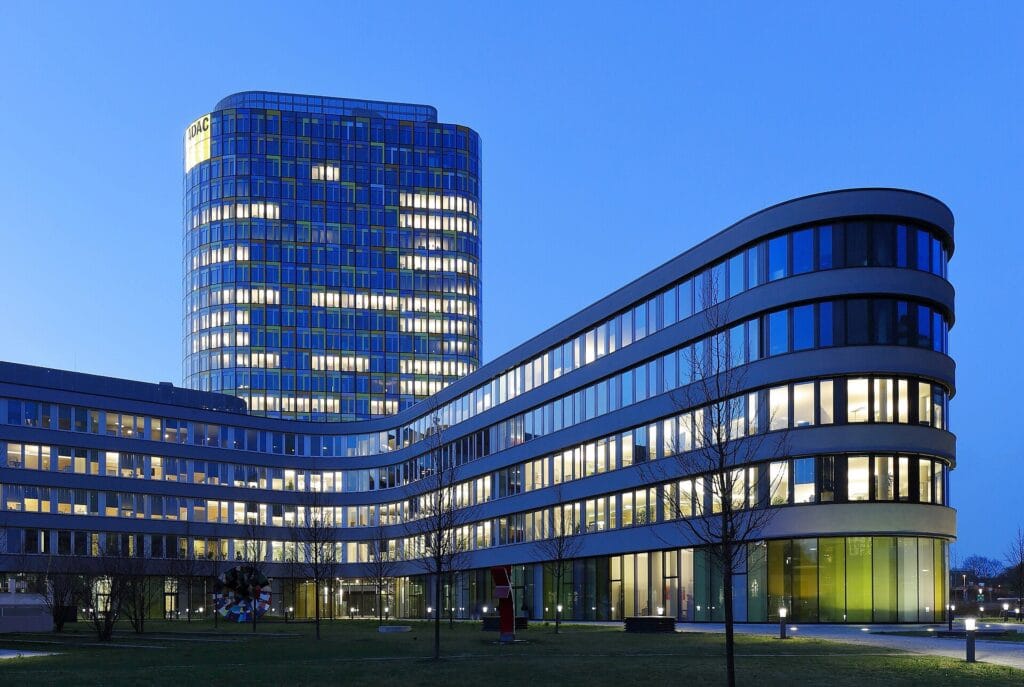
Germany is more continental. Summers run genuinely warm, with Berlin regularly pushing past 85 F in July, and winters are colder and snowier, especially in Bavaria. That cold pays for itself in December, when the Christmas markets in Nuremberg, Cologne, and Dresden make Germany arguably Europe’s best winter city-break destination.
Best months for both: May, June, and September, for long daylight and thinner crowds. July and August work but bring peak prices and, in Germany, occasional heat waves in cities where air conditioning is rare. Overall weather edge to Germany for the more reliable summer; England is the safer shoulder-season bet.
Getting around, entry rules, and safety
Entry first, because the rules changed recently for US travelers. England now requires an ETA, a quick online travel authorisation costing roughly $13 to $16, usually approved within a couple of days and valid for repeat visits. Germany currently asks nothing beyond a passport, with visa-free stays of up to 90 days in any 180 under Schengen rules; the EU’s own pre-travel authorisation, ETIAS, has been delayed repeatedly, so check its status a few weeks before you fly. One quirk worth knowing: the UK is not in Schengen, so an England-plus-Germany trip means two separate entries. Painless, but plan a buffer.

On the ground, the experience diverges. England is compact and the trains reach everywhere, but walk-up fares are among the priciest in Europe; booking specific trains weeks ahead can cut the cost by more than half. London’s Tube with contactless payment is as easy as urban transit gets. Germany’s rail network is denser and cheaper, especially with the Deutschlandticket regional pass, but honesty requires saying that Deutsche Bahn’s punctuality has been rough lately, and long-distance delays are common enough to build slack around. Driving is a genuine pleasure in Germany; in England, remember you’ll be on the left.
Both are among the safer places you’ll ever travel. Use normal city sense: phone-snatching by riders on e-bikes is a real annoyance in central London, and some Berlin station platforms feel sketchy late at night without ever being truly dangerous. Both also pair beautifully with their neighbors; see Belgium vs Netherlands if you’re building a multi-country route.
Nightlife and vibe
England’s nightlife runs on the pub, and the pub is one of the world’s great social inventions: low-stakes, all ages, conversation-first. The trade-off is timing, since plenty of pubs still wind down by 11 p.m. London, Manchester, and Leeds all have proper club and live-music scenes when you want to push later.
Germany doesn’t wind down. Berlin is Europe’s club capital, with venues that open on Friday night and close on Monday morning, and a door culture famous enough that rejection at Berghain counts as a travel story rather than a verdict on you. Munich’s beer gardens are the opposite energy: outdoor, communal, and welcoming until late. Drinks cost noticeably less than in England almost everywhere.
Winner: Germany, unless your ideal night is three pints and a good conversation, in which case England was never really competing; it had already won.
England or Germany: the honest verdict
For budget travelers: Germany. The 25 to 40 percent cost gap is real and it compounds daily. Berlin gives you a world-class capital at secondary-city prices, and cheap regional trains stretch the budget further.
For foodies: England. London’s sheer range beats anything Germany can put on the table. Germany takes the rematch on bread and beer, but for a trip built around eating, England is the pick.
For beach and nature lovers: Germany for nature, neither for beaches. The Bavarian Alps and Saxon Switzerland outgun anything England can offer for drama. If beaches are truly the point, head south instead.
For first-timers in Europe: England. No language barrier, one unbeatable city, and sights you’ve been picturing your whole life. It’s the gentler on-ramp, even if it costs more.
Still weighing Germany against its other big neighbor? Our France vs Germany comparison covers that matchup. Between these two, though: Germany is the better value and the better night out, England is the better single spectacular trip. I’d send most first-time visitors to England and most returning travelers to Germany, and I’d stand behind both calls.
FAQ
Which is better for a football-fan trip?
Is England or Germany more expensive?
Can I visit both in one trip?
Do US citizens need a visa for England or Germany?
Planning the trip? Go deeper with best time to visit England and our Germany Travel guide.
You Might Also Love
More side-by-side comparisons





Written by
John Morrison is the founder and lead travel writer at Packzup. Over the past decade he has explored destinations across Africa, the Americas, Asia, Europe, the Middle East, and Oceania — always self-funded, never on a press trip.
