
Last updated September 8, 2026 · Editorial policy
Quick take: The short answer on Mauritius: The longer answer involves weather windows, festival timing, and the difference between ‘technically open’ and ‘actually enjoyable.’ Shoulder seasons (April-May, September-November) give Mauritius at its best — warm but not humid, calm seas for snorkeling and beach time, and rates well below the European-school-holiday peaks. May-October is dry and pleasant; September is the sweet spot.
Mauritius is the Indian Ocean’s most accessible honeymoon destination — Creole culture, French food, British infrastructure, and beaches that genuinely earn their reputation. The climate is consistent warm year-round but cyclone risk and trade winds shape the calendar. Here is the practical guide.
Best time to visit Mauritius: at a glance
Short answer: April–June and September–December — cooler, drier and calmer.
| Season | Months | What to expect |
|---|---|---|
| Peak | Oct–Apr | Warm summer — but cyclone risk Jan–Mar |
| Shoulder (best value) | Apr–Jun, Sep–Oct | Mild, dry, ideal beaches & diving |
| Low | Jul–Aug | Cooler, windier on the south coast |
Best months to visit Mauritius
Shoulder seasons (April-May, September-November) give Mauritius at its best — warm but not humid, calm seas for snorkeling and beach time, and rates well below the European-school-holiday peaks. May-October is dry and pleasant; September is the sweet spot.
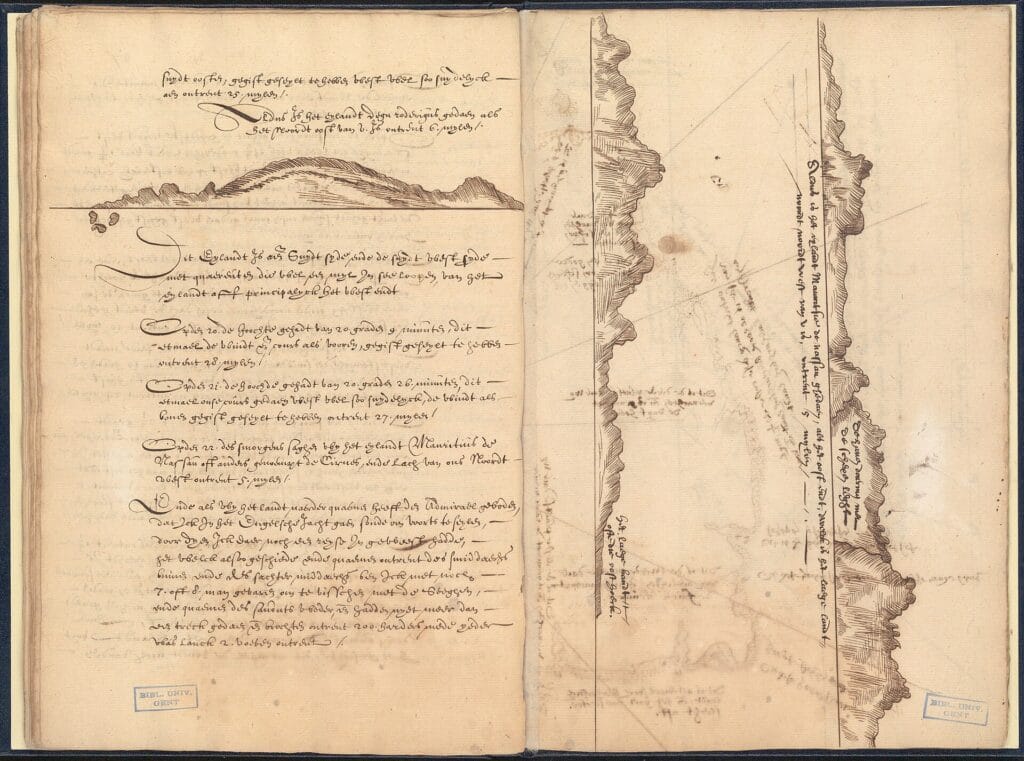
Month-by-month overview
When to avoid Mauritius
January-March is cyclone season — most don’t hit but the risk is real. February is statistically the worst. December-January sees European holiday crowds and premium pricing across all-inclusives.
Key events and festivals
- Chinese New Year (Late January / February): Mauritius’s Sino-Mauritian community celebrates with parades in Port Louis Chinatown.
- Cavadee (January or February): Tamil Hindu festival; pilgrims pierce skin and walk with kavadi offerings.
- Maha Shivaratri (February / March): Largest Hindu pilgrimage outside India; up to half a million walk to Grand Bassin lake.
- Le Morne Cultural Heritage (November): UNESCO-listed maroon-slave-refuge mountain; commemorative events.
A local planning note
If you want Mauritius without the European package-tourist energy, target the last two weeks of September. The weather is at its absolute peak (calm seas, 25-28°C, dry), school-holiday crowds haven’t started, all the dolphin-watching boats run, and the high-end hotels (St. Regis, Constance Belle Mare) often have last-minute deals 30%+ below December rates. Honeymooners get the same magic at half the price.

The Timing Trick Most Guides Miss: Match Your Months to Your Coast
The honest answer is that Mauritius has no single best month, because the island’s weather splits by coast. Steady southeast trade winds blow hardest from roughly May to September, and they slam the east coast (Belle Mare, Trou d’Eau Douce) while the mountains shelter the west and north (Flic en Flac, Grand Baie, Tamarin). So the same week can feel breezy and choppy on one shore and calm and warm on the other. Pick the coast first, then the months.
For a west or north-coast stay, winter works well: June to August runs cool and dry, around 17 to 25C, with the leeward beaches staying sheltered and rates low. For the east coast, aim for the calmer transition windows of April to early May or late September to October, when the trades ease and seas settle.
- Avoid late January to early March: this is the wettest stretch, with February averaging around 250mm of rain, and it sits inside the official cyclone window (November to mid-May), with the highest storm risk from January to March.
The practical move: book the leeward side in winter for guaranteed calm, or the east coast in the shoulder weeks for warmer water without the wind.
Frequently asked questions
When is the cheapest time to visit Mauritius?
Mid-May through early August (winter) has the cheapest flights and hotels — often 40% below December-January peak. Trade-off is cooler windier weather (still 24°C+ daytime).
When can I see whales in Mauritius?
June through November for sperm whales and dolphins off Tamarin Bay. July-September are peak.
Are Mauritius beaches better east or west?
West coast (Flic en Flac, Le Morne, Tamarin) has calmer water year-round and better sunsets. East coast (Belle Mare, Trou d Eau Douce) is more windy but quieter and more pristine.
Is Mauritius good for kitesurfing?
Yes — Le Morne, Pointe d Esny, and Cap Malheureux are world-class spots May-October when trade winds are strongest.
Should I rent a car in Mauritius?
Yes — public transport is limited and the island is small (60km north-south). UK-style driving on the left. Roads are paved and well-marked.
Plan your Mauritius trip
Torn between destinations? See our honest comparisons: Maldives vs Mauritius.
Plan the practical side: Mauritius Visa Guide.
You Might Also Love




Written by
John Morrison is the founder and lead travel writer at Packzup. Over the past decade he has explored destinations across Africa, the Americas, Asia, Europe, the Middle East, and Oceania — always self-funded, never on a press trip.
