
Last updated September 8, 2026 · Editorial policy
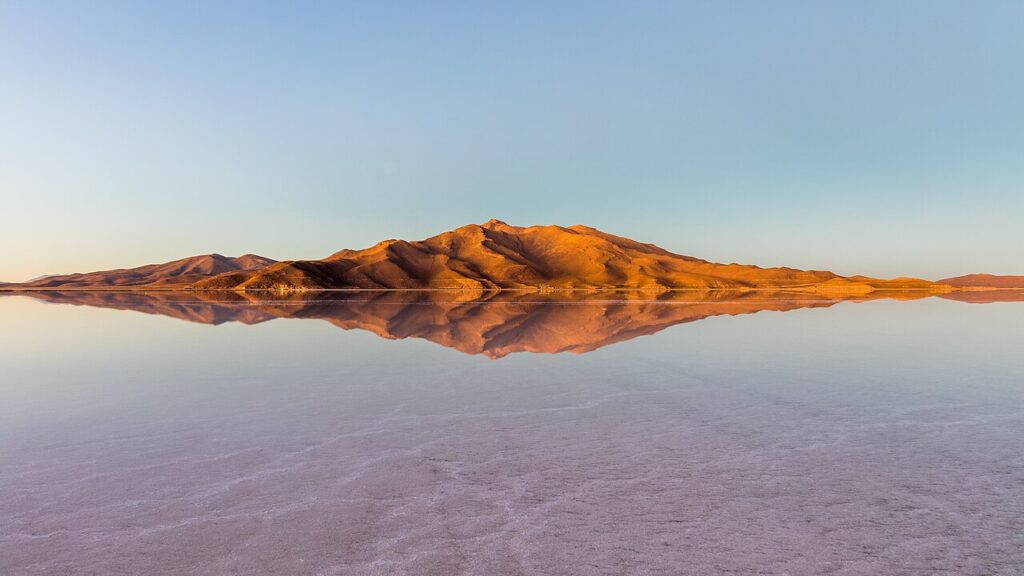
Quick take: When should you actually go to Bolivia? Below: the honest month-by-month guide — not the watered-down tourism-board version. Bolivia has two distinct seasons with different appeals. Dry season (May-October) gives clear skies, accessible roads, and the classic salt-flat hexagon patterns. Wet season (January-March) creates the famous mirror effect on Salar de Uyuni when 2-3cm of water sits on the salt.
Bolivia delivers some of South America’s most extreme landscapes — the Uyuni salt flats, Madidi Amazon, Lake Titicaca, the silver mines of Potosí — at prices that are still among the continent’s lowest. Altitude rules everything though, and the wet season transforms the salt flats. Here is when to go.
Best time to visit Bolivia: at a glance
Short answer: May to October (dry season); December–April for Uyuni’s mirror effect.
| Season | Months | What to expect |
|---|---|---|
| Peak | Jun–Aug | Dry, sunny, best for the Altiplano; busiest |
| Shoulder (best value) | May, Sep–Oct | Dry, fewer crowds |
| Low | Nov–Mar | Wet — but the salt flat becomes a giant mirror |
Best months to visit Bolivia
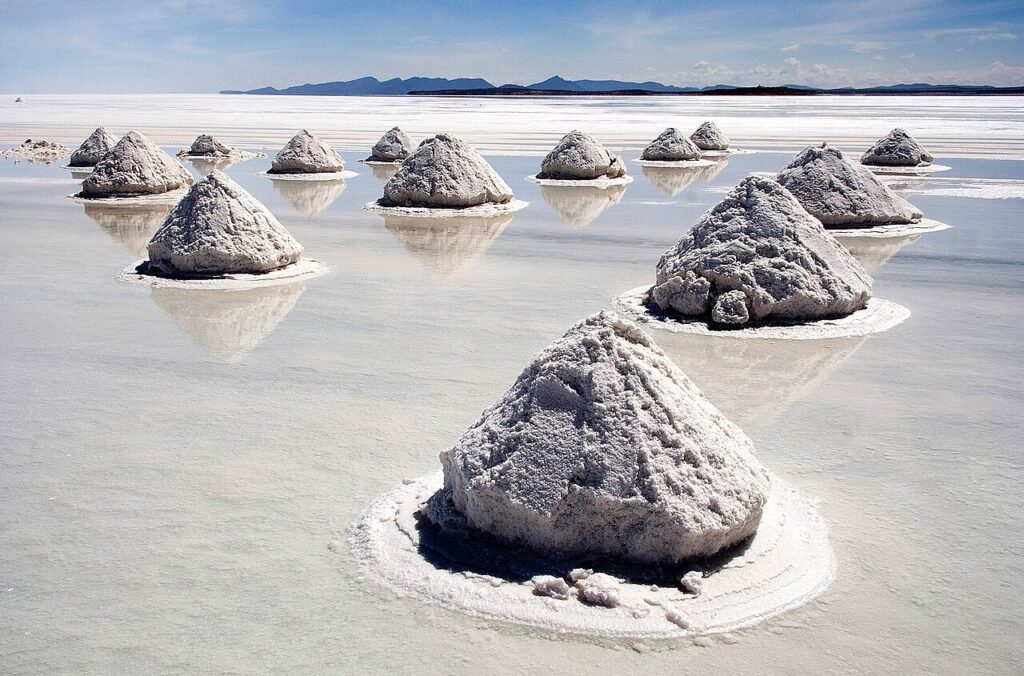
Bolivia has two distinct seasons with different appeals. Dry season (May-October) gives clear skies, accessible roads, and the classic salt-flat hexagon patterns. Wet season (January-March) creates the famous mirror effect on Salar de Uyuni when 2-3cm of water sits on the salt.
Month-by-month overview
When to avoid Bolivia
November and April are transition months with unpredictable conditions. La Paz at 3,600m altitude can hit visitors hard year-round — plan rest days at the start of your trip.
Key events and festivals
- Carnaval de Oruro (Late February / early March): One of South America largest carnivals; UNESCO-recognized devil dances.
- Salar de Uyuni mirror effect (January-March): Wet season turns the salt flats into the world’s largest mirror; book tours for this period specifically.
- Independence Day (August 6): Big celebrations especially in Sucre (independence declared there).
- All Saints Day (Día de los Muertos) (November 1-2): Bolivian families gather at cemeteries with food and music for ancestors.
A local planning note
If you want the salt flats at their most photogenic, go in early February. You get the wet-season mirror effect (peak February) for the iconic upside-down sky photos, but enough dry patches remain for the classic perspective shots with cacti islands. Most tours offer both styles in a 3-day Uyuni trip.

Picking Your Exact Month: Why September Beats Peak August
Most guides stop at ‘come in the dry season,’ but the dry season stretches five months and they do not pay off equally. The genuine value pick is September: you still get the clear altiplano skies and a salt crust hard enough for sharp hexagon photos at Uyuni, yet the June-August crush has thinned and tour operators are far more willing to negotiate. Late October works too, with prices easing further before the rains arrive.
The week to dodge is early August. Independence Day on August 6 is the busiest stretch of the year, when highland hotels fill and rates tick up. If you can only travel mid-winter, aim for late August once the holiday rush clears.
Two calendar notes worth planning around:
- Early February for Oruro’s UNESCO-listed Carnaval (February 14-17 in 2026) paired with the rainy-season mirror on the salt flat.
- November 1-2 for Todos Santos (Day of the Dead), a quieter, deeply local window with warm, mostly dry weather.
Whichever month you choose, pack for the swing: dry-season nights in La Paz and on the altiplano routinely fall to around freezing, with frost common through June and July even when afternoons feel mild in direct sun.
Frequently asked questions
When is the cheapest time to visit Bolivia?
Bolivia is consistently among South America’s cheapest countries. April-May and November have the cheapest flights and tours — often 30% below dry-season peak.
When is the Salar de Uyuni mirror effect?
Mid-January through March, with February-March most reliable. Need 2-3cm of water on the salt; not guaranteed any single day.
How does altitude affect a Bolivia trip?
Significantly — La Paz (3,600m), Potosí (4,090m), and Uyuni (3,650m) regularly affect first-time visitors. Spend 2 days acclimatizing in La Paz or Sucre before doing any active itineraries.
Is Bolivia safe for tourists?
Touristed areas are generally safe; pickpocketing in La Paz is the main risk. Mining tours in Potosí carry health risks (silica dust); choose responsible operators.
Can I cross from Bolivia to Chile via the Salar?
Yes — 3-day Uyuni-to-San-Pedro-de-Atacama tours run year-round (subject to weather). Spectacular but rough drive.
Plan your Bolivia trip
Torn between destinations? See our honest comparisons: Peru vs Bolivia.
Timing your trip? See our data study: Best Time to Travel the World 2026 — the best (and worst) months to travel, from 26 top destinations.
You Might Also Love


Written by
John Morrison is the founder and lead travel writer at Packzup. Over the past decade he has explored destinations across Africa, the Americas, Asia, Europe, the Middle East, and Oceania — always self-funded, never on a press trip.
