
Last updated August 29, 2026 · Editorial policy
Best time to visit Seoul: at a glance
Short answer: April–June and September–November — mild and clear.
| Season | Months | What to expect |
|---|---|---|
| Peak | Apr–May, Oct | Cherry blossoms or autumn colour; busiest |
| Shoulder (best value) | Jun, Sep, Nov | Mild, fewer crowds |
| Low | Jul–Aug (monsoon), Dec–Feb (cold) | Hot/wet summer or freezing winter |
Best Time to Visit Seoul: Month-by-Month Guide
Quick take: Seoul has a clear sweet spot — But the ‘wrong’ months aren’t always wrong. It depends on what you’re after.
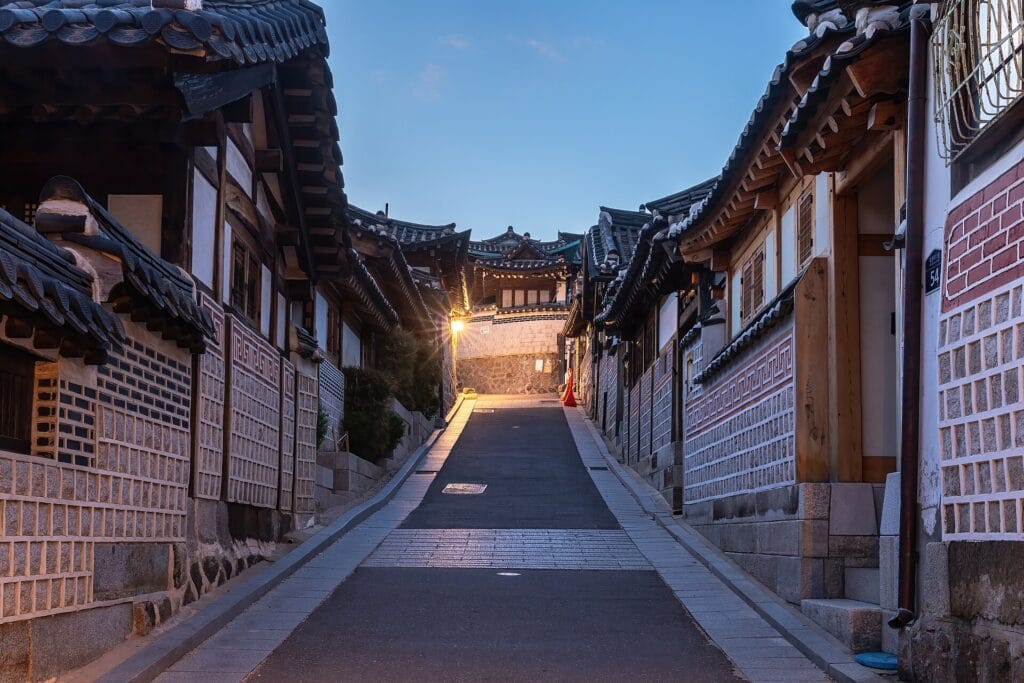
Knowing the best time to visit Seoul can transform your trip — saving you hundreds on flights and hotels while putting you in better weather with fewer crowds. This guide breaks down each season, key events, and what to expect month by month so you can pick the right travel dates.
Festivals & Events in Seoul
The tightest window is the cherry blossom peak, which typically holds only about a week in early-to-mid April at Yeouido Hangang Park and Seokchon Lake. Central hotels for those dates commonly sell out months ahead, and the exact bloom is only forecast weeks in advance.
- Lotus Lantern Festival (Yeon Deung Hoe) (Apr-May)
- Seoul International Fireworks Festival (Oct)
- Seoul Kimchi Festival (Nov)
- Seoul Lantern Festival (Nov-Dec)
When to Visit by Travel Goal
- Fewest crowds: Late January and February are the quietest months, cold but often clear, apart from the Seollal holiday week. Mid-June is the mildest quiet window, after the blossom rush and before the jangma monsoon opens. Early December also thins out once foliage season ends.
- Festivals & culture: The two marquee dates are the Lotus Lantern Festival around Buddha’s Birthday in late spring, when Jongno fills with parades and paper lanterns, and the Seoul International Fireworks Festival at Yeouido, typically in October. The Seoul Lantern Festival usually follows from November.
- Budget travelers: The cheapest stretch is usually deep winter, roughly December through February, setting aside the New Year and Seollal weeks. Late June into July goes soft too because of the jangma monsoon. For mild weather at lower rates, try mid-to-late November.
What to Avoid
- Major holidays: Chuseok, the autumn harvest holiday that lands in late September in 2026, and Seollal in February both empty the city while jamming trains and highways. Chinese National Day in early October and Japan’s Golden Week in early May push foreign arrivals to their highest.
- Closures: Very little shuts for winter here, since Seoul runs year-round. The real closures are Seollal and Chuseok, when many small restaurants and market stalls shut for a day or three. Hangang outdoor pools are typically a July-August thing, and outdoor ice rinks only appear in winter.
Booking Tips
- Seoul’s peak is cherry blossoms in April and foliage in October, so aim to book roughly 3-5 months ahead for those windows, and earlier still if your dates touch Chinese National Day week in early October. The shoulder months of June, September and November typically stay bookable 6-8 weeks out.
- The shoulder weeks worth targeting are late April, just after the blossoms drop, and mid-November, once the foliage fades. Both typically keep mild days and thinner queues at the palaces, trading peak scenery for easier bookings. Mid-June works too, if you accept rising humidity.
- The school and holiday calendars that move Seoul prices are mainland China’s and Taiwan’s summer break in July and August, Japan’s Golden Week in early May and Obon in mid-August, plus Hong Kong and Singapore family breaks. Western school holidays matter far less here than Asian ones.
- Seoul’s weather risks are seasonal rather than constant: the jangma monsoon can flood streets and delay trains from late June into July, typhoon remnants sometimes track past in August and September, and winter snow or ice occasionally disrupts flights. Cover for delays and cancellations matters most in those windows.
Pinning Down Seoul’s Two Good Windows (and the Five Weeks to Skip)
Seoul rewards travelers who think in weeks, not months. The cherry blossoms most people fly in for hold peak bloom only about April 7 to 14 along Yeouido Hangang Park and Seokchon Lake, so booking for late April usually means arriving to bare branches and still paying spring rates. The smarter spring play is the week or two after the petals drop, when April highs sit around 17C (63F), days run dry, and the festival crowds at Yeouido have thinned.
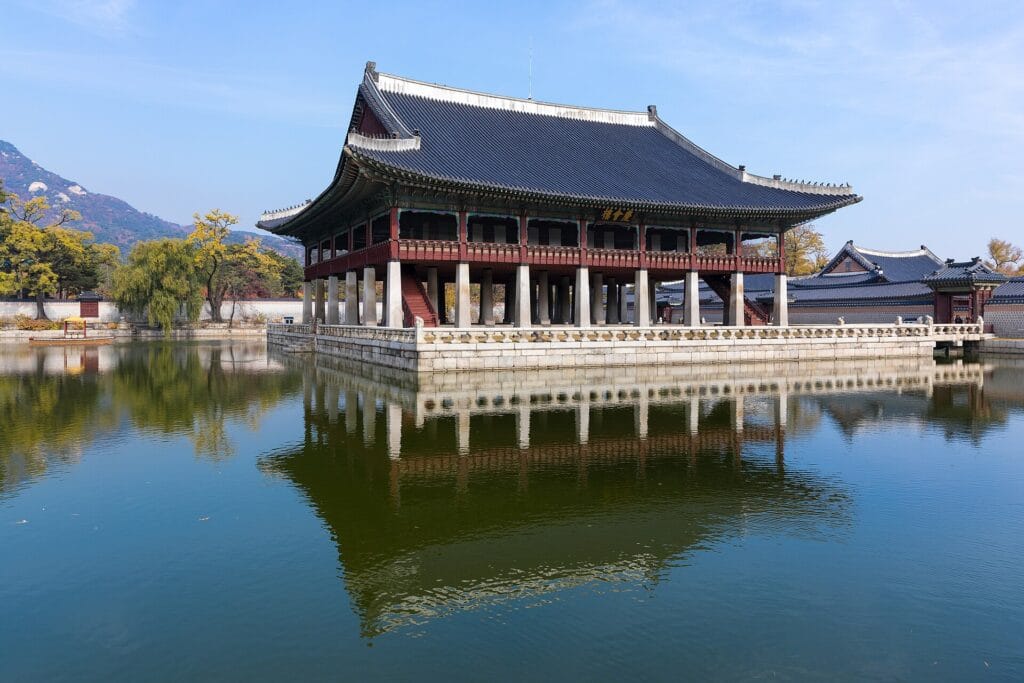
Autumn is the steadier bet. Seoul’s foliage peaks late October into early November, with October highs near 19C (66F) and reliably clear skies before the cold arrives. By mid-November highs fall to about 10C (50F), which trims accommodation demand if you do not mind a jacket.
- Spring: aim for early-to-mid April for blossoms, or late April for calmer streets and the same mild weather.
- Autumn: late October for color, early November for thinner crowds.
The stretch to avoid is the jangma monsoon, roughly late June through late July, when July alone drops around 414mm of rain. August stays out of bounds too: the heat index can push close to 38C (100F) with heavy humidity once the rains lift.
Frequently Asked Questions
Are there major festivals in Seoul?
Yes — Seoul hosts notable events including: Lotus Lantern Festival (Yeon Deung Hoe) (Apr-May), Seoul International Fireworks Festival (Oct), Seoul Kimchi Festival (Nov), Seoul Lantern Festival (Nov-Dec). Major festivals can spike hotel prices 50-200% — book 3-6 months ahead if attending.
What should I pack for Seoul?
Pack for the season you’re visiting and the climate zone. Summer in Seoul: lightweight breathable clothes, sunscreen, hat, comfortable walking shoes. Winter: layers, waterproof jacket, warm accessories. Check the 10-day forecast 1-2 weeks before departure and adjust.
Related Seoul Travel Guides
- Best Things to Do in Seoul
- Where to Stay in Seoul
- Best Food in Seoul
- How Much Does a Trip to Seoul Cost?
- Seoul Itinerary Guide
Torn between destinations? See our honest, first-hand comparisons: Tokyo vs Seoul.
You Might Also Love
Written by
Drew Treasury is a contributing travel writer at Packzup, specialising in city culture, food markets, street art, and neighbourhood-level travel.
