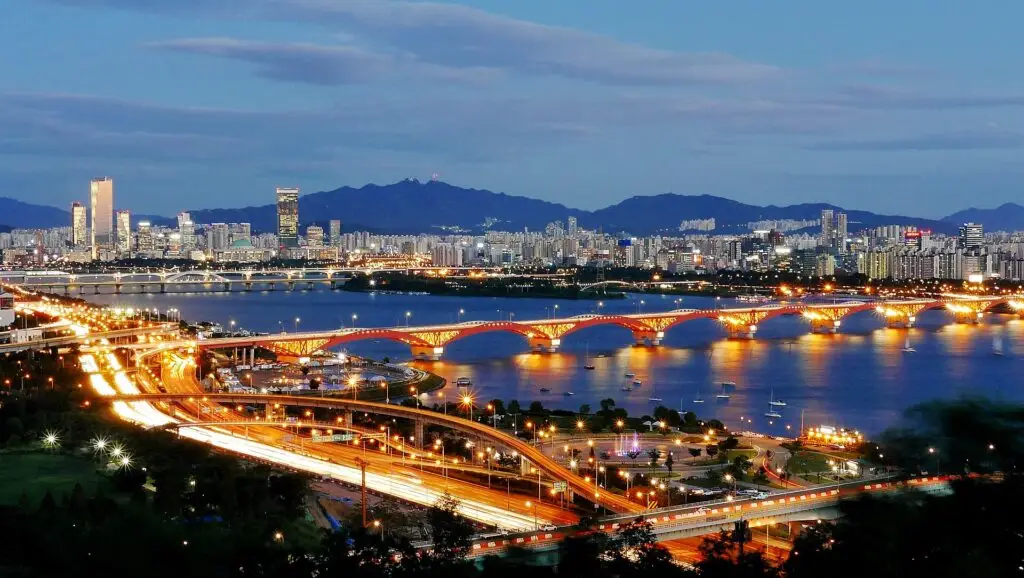
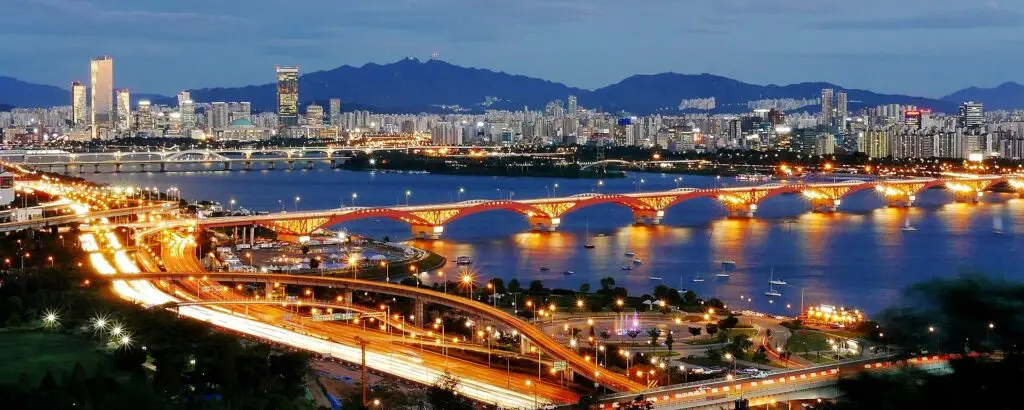
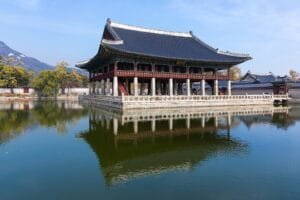
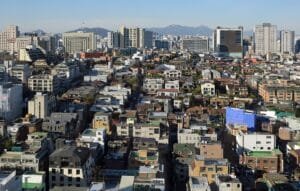
Seoul is a city of jarring contrasts where 14th-century palaces sit in the shadow of glass skyscrapers and a street food stall selling 2,000-won hotteok operates next to a Michelin-starred restaurant. The energy is relentless — K-pop blasts from Myeongdong storefronts, ajummas hustle through Namdaemun Market, and the Han River parks buzz with cyclists and picnickers until midnight. Seoul moves fast, eats well, and never sleeps, and once you lock into its rhythm there is nothing else like it.
- Explore Gyeongbokgung Palace in Hanbok
- Wander the Alleyways of Bukchon Hanok Village
- Eat Street Food at Gwangjang Market
- Hike Bukhansan National Park
- Shop and Snack in Myeongdong
- Bar-Hop Through Itaewon and HBC
- Visit the DMZ and Joint Security Area
- Soak in a Jjimjilbang
- Catch Sunset from Namsan Tower
- Explore Hongdae’s Indie Scene
- Day Trip to Suwon Hwaseong Fortress
- Feast on Korean BBQ in Mapo-gu
1. Explore Gyeongbokgung Palace in Hanbok
Seoul’s grandest palace was built in 1395 and restored to its full glory. Rent a hanbok (traditional Korean dress, 15,000-20,000 won) from shops lining the entrance street and you get free admission plus incredible photos against the palace’s painted eaves. The changing of the guard ceremony happens at 10 AM and 2 PM. Allow two hours for the full complex including the National Folk Museum.
2. Wander the Alleyways of Bukchon Hanok Village
This hilltop neighbourhood between two palaces preserves hundreds of traditional Korean hanok houses, many converted into tea rooms, guesthouses, and boutiques. The narrow lanes offer stunning views of traditional rooftops against the Namsan Tower skyline. Visit on weekday mornings when residents appreciate the quiet. The eight scenic viewpoints are marked on local maps.
3. Eat Street Food at Gwangjang Market
Korea’s oldest permanent market is a street food paradise. The mayak gimbap (addictive mini rice rolls, 3,000 won) is legendary, along with bindaetteok (mung bean pancakes fried to order), raw beef yukhoe, and knife-cut noodles. Go at lunch when the market is buzzing and grab a seat at a communal pojangmacha (tent bar) counter.
4. Hike Bukhansan National Park
A proper mountain with granite peaks rising to 836 metres sits inside the city limits. The Baegundae Peak trail takes 3-4 hours round trip with some scrambling sections, rewarding with sweeping views of Seoul’s vast urban sprawl. Easier routes include the Bukhansanseong Fortress wall trail. Bring water and snacks — there are no vendors on the trail.
5. Shop and Snack in Myeongdong
Seoul’s most famous shopping district is a sensory overload of K-beauty stores, street food vendors, and neon signs. Try the egg bread, tornado potatoes, and lobster tails sold from carts along the main strip. Sheet masks cost 1,000-2,000 won each and the skincare shops offer free samples generously. Evening is the most energetic time.
6. Bar-Hop Through Itaewon and HBC
Itaewon has evolved from a military-town strip into Seoul’s most international nightlife district. The side streets of Haebangchon (HBC) hill hold craft beer bars, rooftop cocktail spots, and vinyl listening lounges. Southside Parlor serves excellent cocktails, Magpie Brewing does the best IPAs, and the night typically starts late and runs past 3 AM.
7. Visit the DMZ and Joint Security Area
The Demilitarized Zone separating North and South Korea is just 50 kilometres north of Seoul. Guided tours visit the Joint Security Area at Panmunjom where you can technically step into North Korea, the Third Tunnel of Aggression, and Dora Observatory. Book through the USO or private operators at least 72 hours ahead. Bring your passport.
8. Soak in a Jjimjilbang
Korean bathhouses are a cultural institution. Dragon Hill Spa in Yongsan is the most famous, with multiple heated rooms, cold plunge pools, saunas, and a rooftop pool. Entry costs around 12,000-15,000 won for an overnight stay. The communal bathing area is gender-separated and nude — embrace it, because the experience is deeply relaxing.
9. Catch Sunset from Namsan Tower
The N Seoul Tower on Namsan Mountain offers 360-degree city views. Ride the cable car or walk the forested trail up (about 30 minutes). The observation deck is best at sunset when the city transitions from daylight to a carpet of lights. The thousands of love locks on the fences have become a landmark in their own right.
10. Explore Hongdae’s Indie Scene
The neighbourhood around Hongik University is Seoul’s creative engine. Street performers, buskers, and dance crews take over the pedestrian areas on Friday and Saturday nights. Independent boutiques, record shops, and live music clubs like Rolling Hall and DGBD host emerging Korean acts. Free playground performances start around 7 PM on weekends.
11. Day Trip to Suwon Hwaseong Fortress
This UNESCO-listed 18th-century fortress wall encircles the city of Suwon, 30 minutes south of Seoul by metro. Walk the entire 5.7-kilometre wall circuit for panoramic views, archer towers, and command posts. Suwon is also home to the original Galbi-jib restaurants specialising in marinated short ribs grilled at your table.
12. Feast on Korean BBQ in Mapo-gu
Mapo-gu is Seoul’s undisputed Korean BBQ capital. Restaurants like Yeonnamseo Sikdang and Mapo Jeong Daepo serve thick-cut pork belly and aged beef grilled over charcoal. Order soju and wrap the meat in perilla leaves with ssamjang paste and raw garlic. Meals run 15,000-25,000 won per person. Book ahead for dinner or face a serious queue.
Practical Tips for Seoul
Check our full Seoul travel guide for detailed tips on transport, safety, money, and the best time to visit. For food recommendations beyond this list, see our Seoul food guide.
Frequently Asked Questions
What are the top things to do in Seoul?
The must-do experiences include Explore Gyeongbokgung Palace in Hanbok, Wander the Alleyways of Bukchon Hanok Village, and Shop and Snack in Myeongdong. Seoul also offers incredible food, vibrant neighbourhoods, and easy day trips.
How many days do you need in Seoul?
We recommend at least 3 to 4 days to cover the highlights, though a week lets you explore at a relaxed pace and add day trips.
Is Seoul safe for tourists?
Seoul is generally safe for tourists who take normal precautions. Stay aware of pickpockets in crowded areas and keep valuables secure.