
Last updated September 10, 2026 · Editorial policy
Quick answer: The best time to visit Croatia is May to June and September. Peak season is July and August (Dubrovnik and Split packed), and the months to avoid are November to March on the coast (quiet, many places shut).
Croatia has a classic Mediterranean climate along the Adriatic – hot, dry summers and mild, wetter winters. May to June and September are the sweet spot: warm, swimmable and far less crowded than the July to August peak.
Croatia Weather by Month
| Month | Avg High | Avg Low | Rain | Crowds | Verdict |
|---|---|---|---|---|---|
| January | 9°C / 48°F | 3°C / 37°F | Wet | Low | Shoulder – Cool and wet; coast very quiet. |
| February | 10°C / 50°F | 3°C / 37°F | Wet | Low | Shoulder – Cool; low season. |
| March | 13°C / 55°F | 5°C / 41°F | Light | Low | Good – Spring; mild and quiet. |
| April | 17°C / 63°F | 8°C / 46°F | Light | Med | Great – Warming and blooming; great value. |
| May | 22°C / 72°F | 12°C / 54°F | Dry | High | Best – Warm, dry – ideal before the crowds. |
| June | 26°C / 79°F | 16°C / 61°F | Dry | High | Great – Warm, sunny; the sea is swimmable. |
| July | 30°C / 86°F | 19°C / 66°F | Dry | High | Mixed – Hot; Dubrovnik/Split packed and priciest. |
| August | 30°C / 86°F | 19°C / 66°F | Dry | High | Mixed – Hottest and busiest. |
| September | 25°C / 77°F | 16°C / 61°F | Dry | High | Best – Warm sea, easing crowds – superb. |
| October | 20°C / 68°F | 12°C / 54°F | Light | Med | Best – Mild, pleasant and quiet. |
| November | 15°C / 59°F | 8°C / 46°F | Wet | Low | Shoulder – Cool, wetter; the coast winds down. |
| December | 10°C / 50°F | 4°C / 39°F | Wet | Low | Shoulder – Cool, wet; Advent in Zagreb. |
Best Time to Visit Croatia
For the best balance of weather, value and manageable crowds, target May to June and September. The table above breaks down every month.
Croatia Weather in July
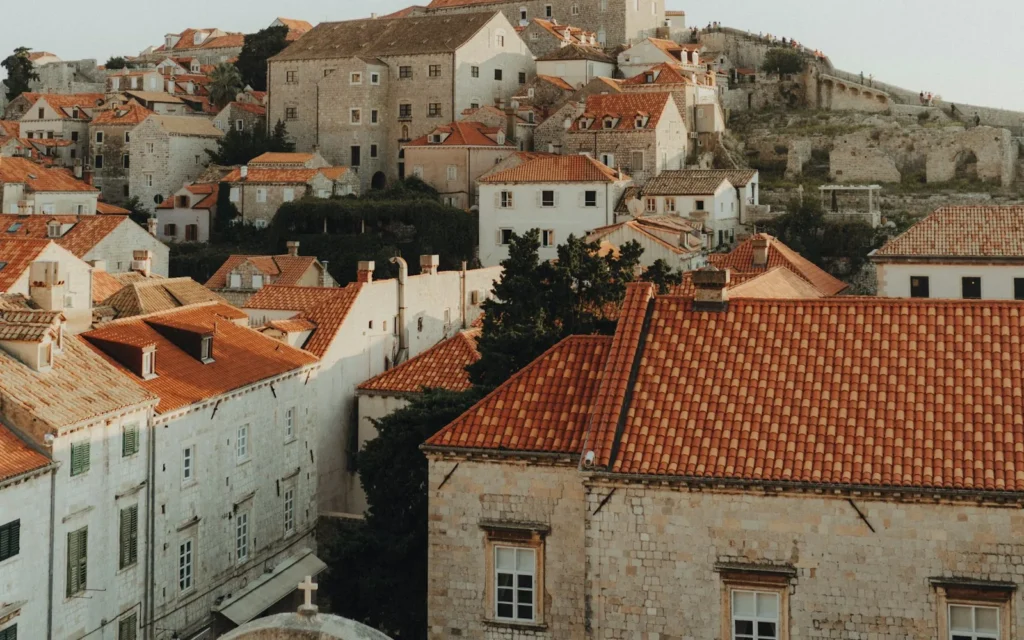
July is high summer on the Adriatic – hot, dry and sparkling, but Dubrovnik, Split and Hvar are at their busiest and most expensive. Book accommodation and ferries well ahead, and consider quieter islands.
Croatia Weather in September
September is arguably Croatia best month: the sea is at its warmest after summer, days stay hot, and the peak-season crowds and prices fall away from mid-month.
The Real Best Time to Visit Croatia: Where the Sweet Spot Actually Sits
The page is right that May to June and September beat the peak, but those windows reward different travellers. Late May into mid-June is the value sweet spot: the Adriatic sits around 20-22C, coastal accommodation runs roughly 30-50% below August rates, and the events calendar is already moving. INmusic Festival fills Zagreb’s Jarun lake on June 22-24, 2026, while the southern islands stay quiet. If swimming is the priority, choose September instead. The sea holds around 23C into early autumn after a long summer of warming, daytime highs stay in the mid-20s, and once the cruise traffic thins after mid-month, Split and Dubrovnik empty while prices drop back to shoulder levels.
Schedule around the big festivals only if you actually want the noise:
- Ultra Europe takes over Split on July 10-12, 2026.
- The Dubrovnik Summer Festival runs July 10 to August 25, staging classical music and theatre in the old town’s fortresses.
Those weeks carry the year’s highest prices and densest crowds. The period to avoid is November through March on the coast: many island and small-town hotels, ferries and restaurants shut, the cold bura wind hits the Adriatic in hard gusts, and rain is frequent. Zagreb stays open, but the seaside winds down.
Frequently Asked Questions
When is the best time to visit Croatia?
May to June and September – warm, swimmable and far less crowded than the July to August peak.
When is the sea warm enough to swim in Croatia?
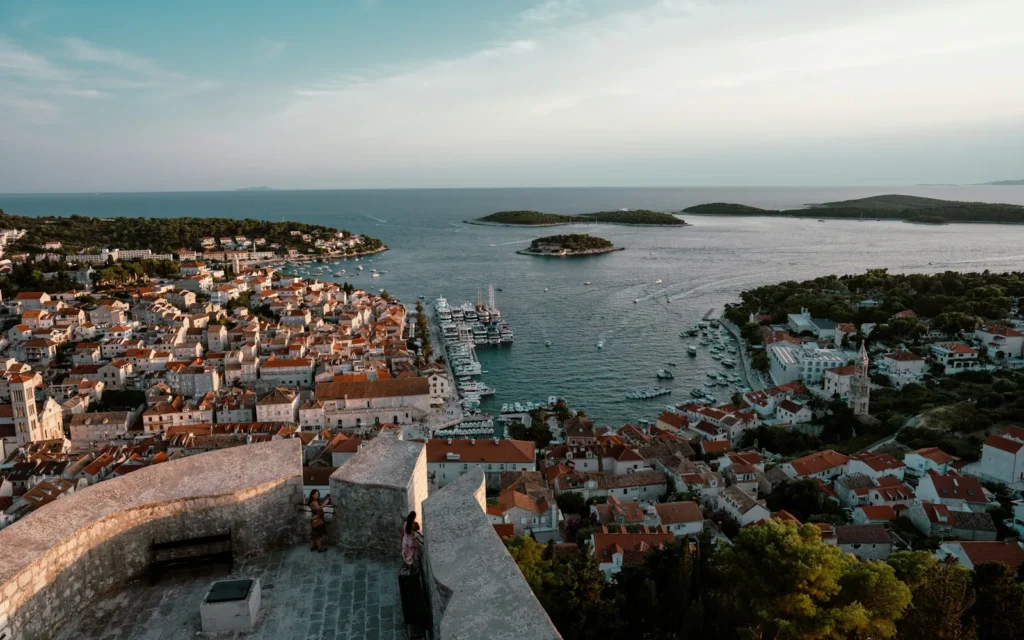
June to early October, warmest in August and September after the long summer.
Are the Croatian islands open off-season?
Many coastal towns and islands wind down November to April; Dubrovnik, Split and Zagreb stay active year-round.
Looking for a recommendation, not just data? See our best time to visit Croatia guide.
Adriatic dilemma? Read our head-to-head: Albania vs Croatia — prices, beaches, crowds and which coast wins for you.
Still deciding? Read our full comparison: Greece vs Croatia.
Planning the trip? Follow our Croatia Itinerary.
You Might Also Love


Written by
John Morrison is the founder and lead travel writer at Packzup. Over the past decade he has explored destinations across Africa, the Americas, Asia, Europe, the Middle East, and Oceania — always self-funded, never on a press trip.
