
Quick Answer
Travel eastern and southeastern Europe rather than the west, book train tickets the day advance fares open, eat the fixed-price weekday lunch, use free museum days, and travel in shoulder season. These five change costs far more than daily penny-pinching.
Europe is not uniformly expensive — it contains both some of the priciest cities on earth and some of the best value anywhere, often a few hours apart. Most of the saving comes from a handful of structural choices rather than from cutting small comforts.
10 Ways to Cut the Cost of Europe
1. Go east
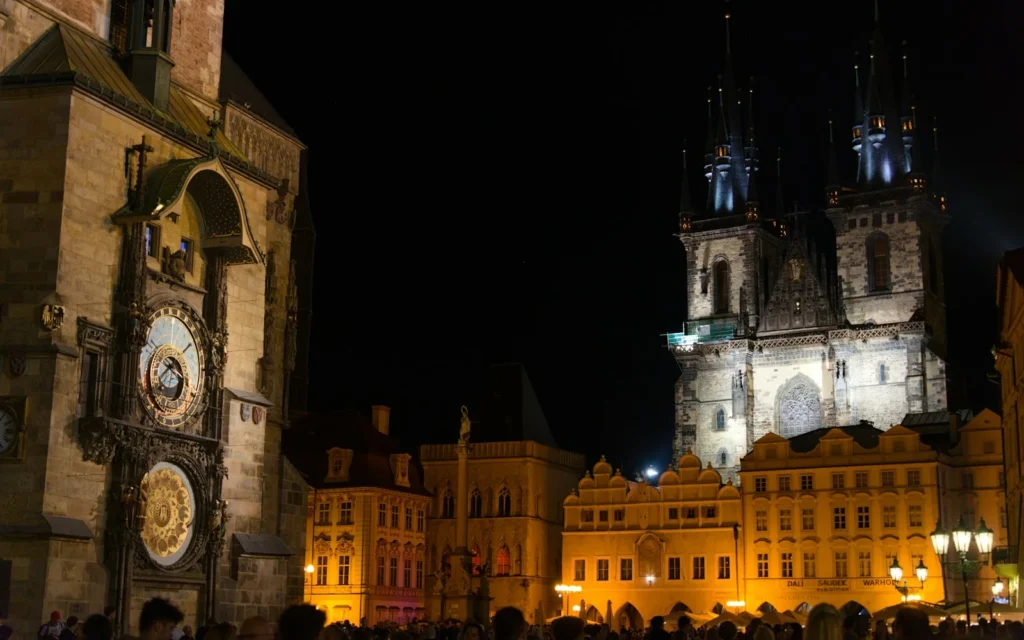
The Baltics, Poland, Romania, Bulgaria, Albania and Georgia deliver the same cathedrals, old towns and mountains at a fraction of Western European prices.
2. Travel by night train or bus
An overnight journey saves a night’s accommodation and a day of travel. See our night trains guide for the current network.
3. Book trains the day sales open
Advance fares on European rail are released months ahead and rise steeply as departure approaches. The same seat can cost four times more booked late.
4. Rethink the rail pass
Interrail and Eurail only pay off on frequent long journeys, and many high-speed routes charge a reservation fee on top. Price your actual itinerary first.
5. Eat where the set lunch is
Most of southern Europe serves a fixed-price weekday lunch — menú del día, prix fixe, pranzo di lavoro — at a fraction of dinner prices for the same kitchen.
6. Use the free museum days
Most national museums across Europe are free on the first Sunday of the month or on set evenings. Plan the expensive cities around them.
7. Stay outside the historic centre
One or two metro stops out typically halves the room rate in Paris, Rome, Prague and Vienna, and the transport is excellent everywhere.
8. Shoulder season, always
April to early June and September to October mean lower flights, lower rooms, better weather than August and far shorter queues.
9. Tap water and supermarkets
Tap water is safe across almost all of Europe; ask for it explicitly. Supermarket lunches from a local market are both cheaper and better than tourist-strip cafes.
10. Walk the free city tours, then tip properly
Tip-based walking tours operate in almost every European city and are genuinely good. They are not free — budget a fair tip.
Where the money actually goes
Transport and accommodation dominate a European budget, so that is where to concentrate. Advance-purchase train fares are the single largest lever: booked the day they open, a long journey can cost a quarter of the walk-up fare. Set a calendar reminder for the booking window on the routes you know you want.
On flights, the budget carriers are genuinely cheap only if you travel with a small bag — check the exact dimensions, because gate fees are punitive and deliberately so. Factor in that many low-cost airports are an hour and a coach fare from the city they claim to serve.
On accommodation, look at the whole cost: a cheaper room two zones out plus daily transport sometimes beats a central room and sometimes does not. Hostels in Western Europe increasingly offer private rooms at guesthouse prices, and in the east, guesthouses and apartments often undercut hostels outright.
Frequently Asked Questions
What is the cheapest part of Europe to visit?
The Balkans, Romania, Bulgaria, Poland, the Baltics, Albania and Georgia offer the best value while still being straightforward to travel.
Is a Eurail or Interrail pass worth it?
Only for frequent long journeys. Many high-speed trains add a compulsory reservation fee, so price your actual route against advance tickets first.
When is the cheapest time to visit Europe?
Shoulder season — April to early June and September to October — with better weather than August and much lower prices.
Related Articles
Gear that earns its place: best budgeting apps for travel · travel subscriptions worth paying for.
You Might Also Love



Working out the money? Check whether your destination is a cash or card country, how much to bring, and how to dodge ATM fees and the DCC trap.
