Quick Answer
For a first European rail trip, run Paris–Lyon–Avignon–Nice or Amsterdam–Cologne–Munich — one country or one ticketing system, fast legs, minimal complexity. The classic Interrail loop through Paris, Zurich, Milan, Vienna, Prague and Berlin needs about three weeks.
The mistake almost everyone makes on a first rail trip is trying to fit too much in. Trains are fast, but city changes cost half a day each once you count packing, transfers and check-in. These itineraries assume you would rather see five places properly than nine badly.
10 European Rail Itineraries
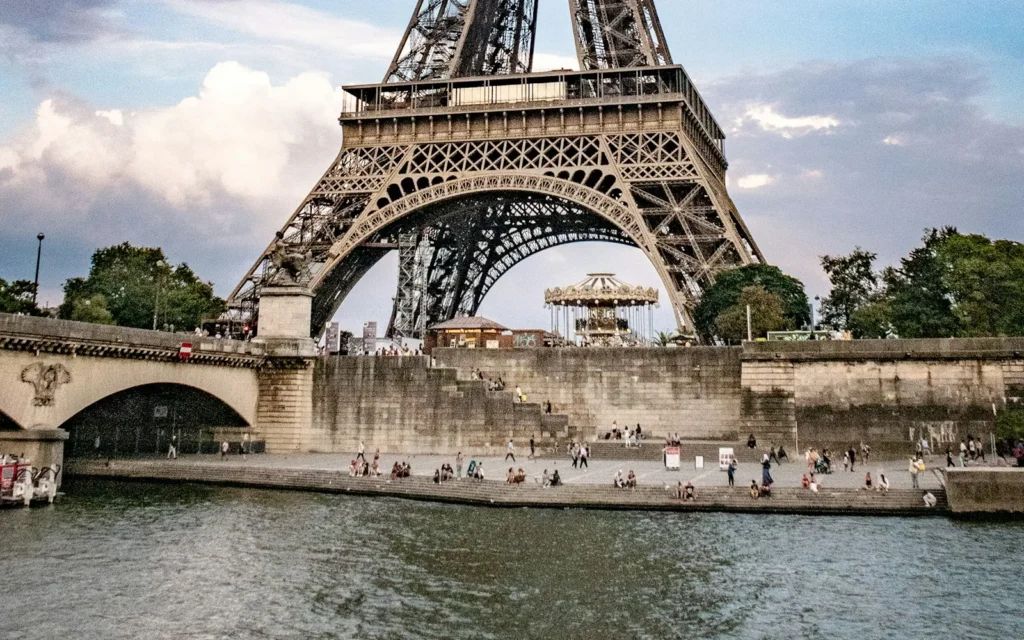
1. Paris → Lyon → Avignon → Nice (France, 7 days)
Best months: Jun–Aug · 15–26°C days · some rain (climate data)
The simplest first rail trip in Europe: fast TGV legs, one country, one ticketing system, ending on the Mediterranean.
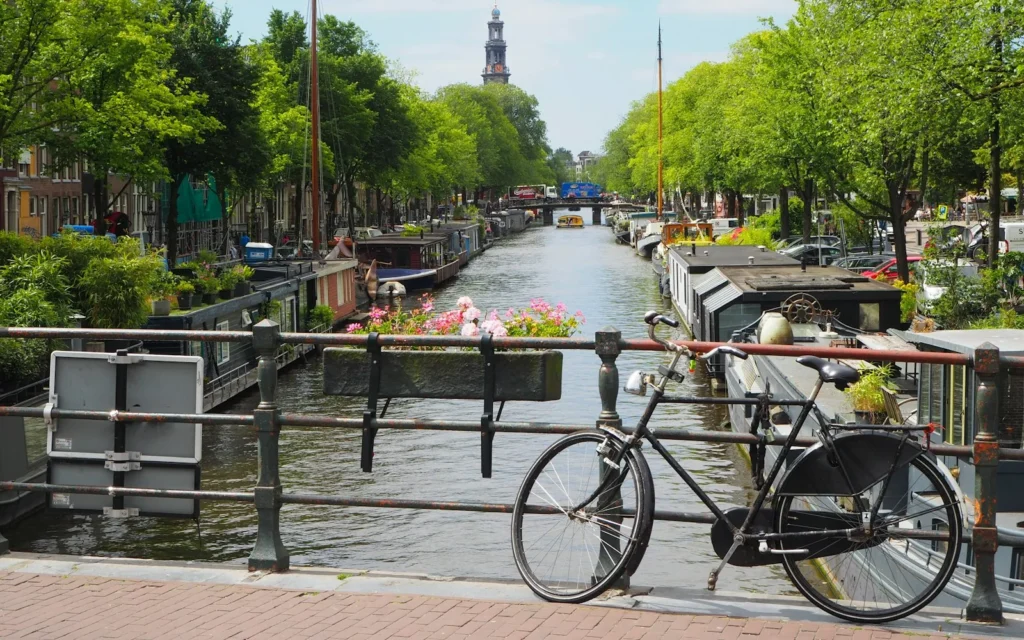
2. Amsterdam → Cologne → Frankfurt → Munich (10 days)
Best months: Jun–Aug · 14–21°C days · rainy (climate data)
Efficient, comfortable and easy, with the Rhine valley in the middle and excellent connections throughout.
3. The classic Interrail loop — Paris, Zurich, Milan, Vienna, Prague, Berlin (3 weeks)
Best months: Jul–Sep · 15–25°C days · some rain (climate data)
The route most first-timers take, and popular for good reason. Book the fast legs in advance; the regional ones rarely need it.

4. Switzerland's scenic lines (5 days)
Best months: Jul–Sep · 15–24°C days · rainy (climate data)
The Glacier Express and Bernina Express are the famous two, but ordinary Swiss regional trains cover the same passes for a fraction of the fare.
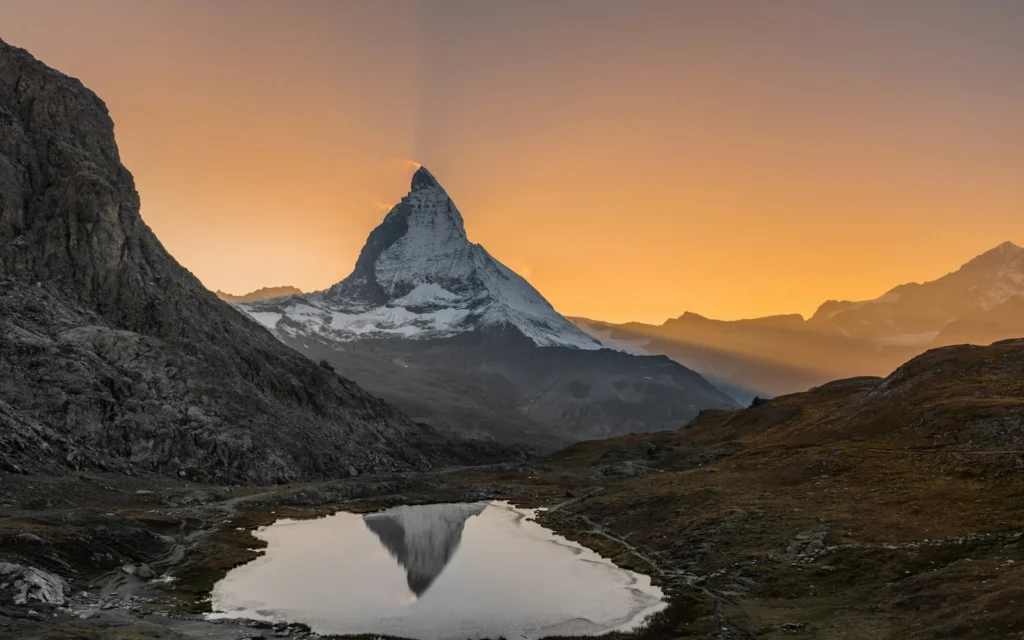
5. Portugal and Spain — Lisbon, Porto, Madrid, Seville (2 weeks)
Best months: Jun–Aug · 18–28°C days · dry (climate data)
Spain’s AVE network is fast and cheap when booked early; Portugal’s trains are slower but scenic.
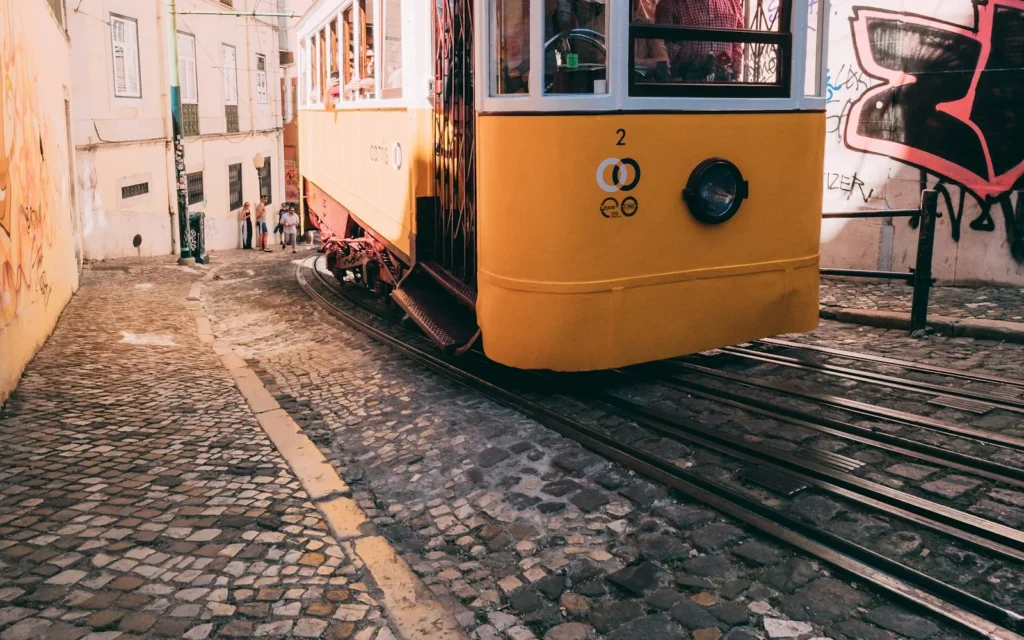
6. Italy end to end — Milan, Florence, Rome, Naples (10 days)
Best months: Apr–Jun · 13–23°C days · rainy (climate data)
One of the best-value high-speed networks in Europe, with two competing operators keeping fares down.
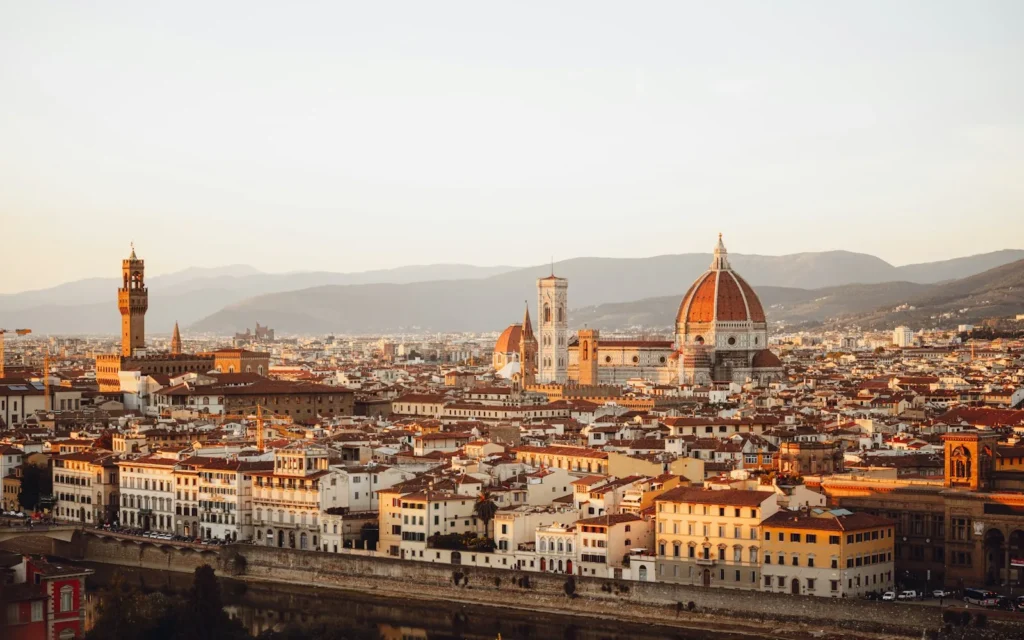
7. The Baltics — Vilnius, Riga, Tallinn (8 days)
Rail links are improving but buses remain faster between the capitals. Cheap, compact and easy.
8. Norway — Oslo, Bergen and the Flam line (6 days)
Best months: Jun–Aug · 14–21°C days · rainy (climate data)
The Bergen Railway crosses the Hardangervidda plateau, and the Flåm branch drops through some of the steepest scenery in Europe.
9. The Balkans — Ljubljana, Zagreb, Sarajevo, Belgrade (2 weeks)
Slower, older trains and some replacement bus legs, but the most rewarding rail travel in Europe for anyone who likes the journey itself.
10. Overnight-linked loop — Vienna, Venice, Munich, Berlin
Best months: Jul–Sep · 16–25°C days · some rain (climate data)
Built around Nightjet sleepers so the long legs happen while you sleep. See our night trains guide for current routes.
How to book, in the right order
Decide the route, then check whether a pass beats point-to-point tickets — not the other way round. Advance fares on French, Spanish, Italian and German high-speed trains are released months ahead and are often cheaper than a pass plus the compulsory reservation fees those same trains charge pass-holders.
Reservations are mandatory on most high-speed and all sleeper services, and they are capped for pass-holders — which is how people with a valid pass end up unable to board. Book those legs the day sales open. Regional and local trains across most of Europe need no reservation at all, so keep flexibility there.
Allow at least two nights in any city you actually want to see, build in one unplanned day per week, and put the long legs overnight where a sleeper exists. Check whether your route crosses a border requiring a separate operator’s ticket — that is the most common gap in an otherwise well-planned itinerary.
Frequently Asked Questions
What is the best first rail trip in Europe?
A single country — France or Germany — or a short two-country hop. One ticketing system removes most of the complexity.
Do you need to book European trains in advance?
For high-speed and sleeper services, yes — both for price and because reservations are compulsory and capped. Regional trains usually need no booking.
How long do you need for the classic Interrail loop?
About three weeks to do Paris, Zurich, Milan, Vienna, Prague and Berlin without rushing.