
Last updated September 11, 2026 · Editorial policy
Quick verdict: Egypt tourist zones are heavily policed + safe — Cairo + Luxor + Aswan + Sharm el-Sheikh + Hurghada. Sinai interior + Libyan border to avoid. Refined across 2 personal Egypt trips.
More: When to visit Egypt · Egypt travel guide
7 safety concerns + how to handle them
Persistent tipping culture
Baksheesh (tip) expected for almost every service. Bring small bills. Tip 5-10% of bill amount.
Tourist scams
Continue planning your Egypt trip
Common: fake guides + carpet/papyrus pressure + “free” gift scams. Politely decline.
Solo female travel challenges
Catcalling + persistent harassment more common than Morocco. Group tours strongly recommended.
Tap water + food safety
Tap water unsafe. Bottled water only. Cooked food preferred. Avoid raw fruits + pre-cut veggies.
Sinai region + Libyan border
Avoid Sinai interior + Libyan border zones. Tourist Red Sea coast + Cairo + Luxor heavily policed.
Pickpocketing in crowded sites
Pyramids + Khan el-Khalili bazaar. Keep zipped bags front-facing.
Sun + heat
Egypt UV extreme May-September. Sunhat + 50+ SPF + hydration essential. Heatstroke real risk.
Compare Egypt travel insurance →
Helpful Packzup guides
What the Map Actually Says: Egypt’s Real Risk Geography
The headline anxiety about Egypt rarely matches the map. As of 2026 the US State Department keeps Egypt at Level 2, Exercise Increased Caution, the same tier as France or Italy, with only two corners flagged Do Not Travel: the Northern and Middle Sinai Peninsula, and parts of the Western Desert near the Libyan frontier. The distinction that trips people up is Sinai. The South Sinai coastal resorts of Sharm El-Sheikh, Dahab, and Nuweiba sit outside the Do Not Travel zone and run under normal tourist conditions; it is the interior north of the St Catherine to Nuweiba road that carries the warning.
The Western Desert oases (Bahariya, Farafra, Dakhla, and Siwa) are not off-limits, but you cannot legally drive them solo. Access requires a licensed operator, and the Siwa leg from Marsa Matruh runs through police checkpoints, with restrictions inside about 50 km of the Libyan border from Salum to Siwa.
Within the tourist corridor, the real threat is your wallet, not your safety. Two specifics worth naming:
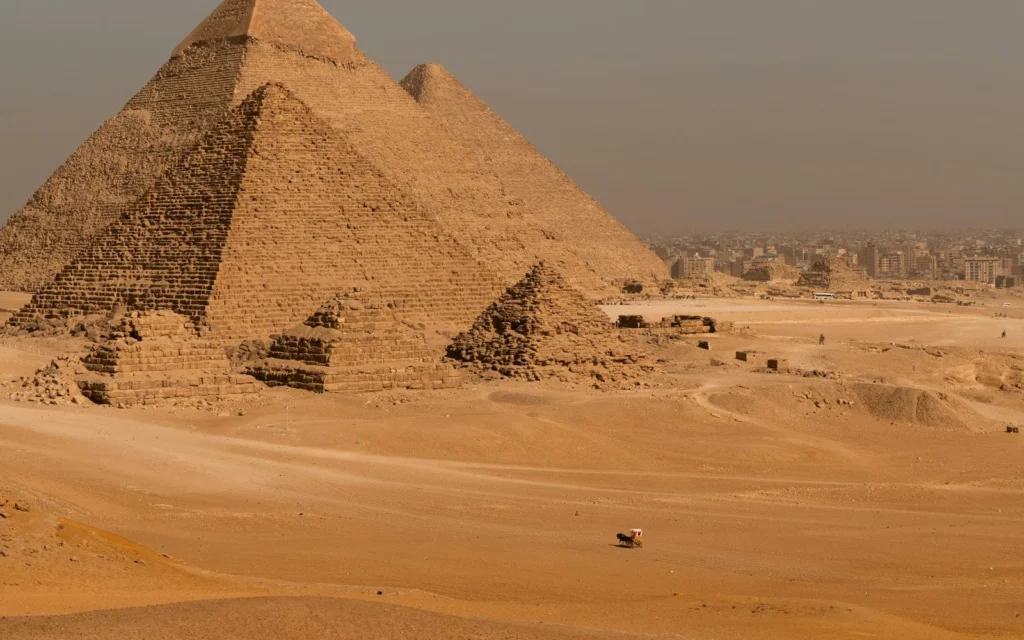
- The Giza camel or horse ride that quotes a low price, then strands you mid-route until you pay more to get back.
- The man who grabs your phone for a ‘free’ photo, then demands a tip.
Bottom line: book overland desert trips through a licensed operator, stick to the Nile and Red Sea corridor, agree every price in writing first, and keep Tourist Police 126 saved. Egypt is far safer than its reputation; the discipline you need is contractual, not tactical.
Frequently asked questions
Is Egypt safe for solo female travelers?
Is Egypt safe for families?
Egypt scam awareness?
Egypt water + food safety?
Egypt emergency contacts?
Updated 2026. Some links on Packzup are affiliate links.
You Might Also Love

Written by
John Morrison is the founder and lead travel writer at Packzup. Over the past decade he has explored destinations across Africa, the Americas, Asia, Europe, the Middle East, and Oceania — always self-funded, never on a press trip.
Good to know: staying healthy abroad starts with the water — see where the tap water is safe to drink, and dodge the classics with travel scams by country.
Checking other destinations? Is India safe? · Is Indonesia safe? · Is Istanbul safe? · Is Jamaica safe?
