
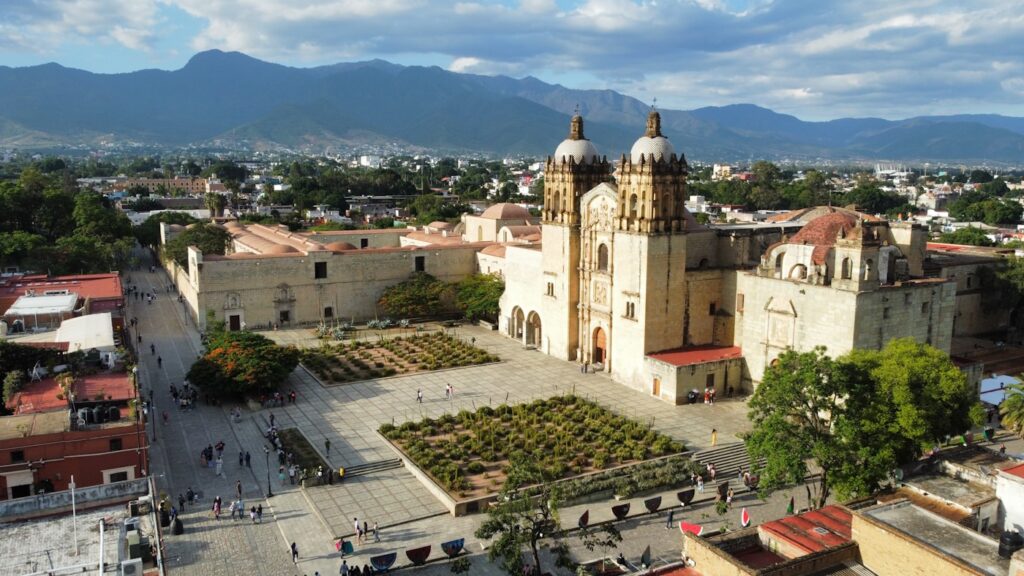
Last updated September 10, 2026 · Editorial policy
Quick verdict: Mexico tourist zones are safe — Yucatán + Riviera Maya + Mexico City + Oaxaca extremely welcoming. Border + cartel regions to avoid. Refined across 3 personal Mexico trips.
More: When to visit Mexico · Mexico travel guide
7 safety concerns + how to handle them
Cartel violence in specific regions
Avoid certain states (Tamaulipas + Chihuahua + Michoacan + Guerrero) without local knowledge. Tourist zones generally unaffected.
Border-area unrest
Continue planning your Mexico trip
US-Mexico border + Tijuana cartel-related violence. Beach resorts (Cancun + Riviera Maya) far from this.
Tourist zone pickpocketing
CDMX metro + crowded markets + beaches. Keep zipped bags front-facing.
Spring break excess (March-April)
Cancun + Tulum during US spring break have rowdy crowds. Beware of overserved tourists.
Water + food safety
Tap water unsafe everywhere. Bottled water + cooked meat + filtered ice. Resort restaurants generally safe.
Beach + cenote drowning
Cenotes especially can be deceptively deep. Always use registered guides + life vests.
Counterfeit medications
Some pharmacies sell counterfeit meds. Use major chain pharmacies (Walmart + Costco).
Compare Mexico travel insurance →
Helpful Packzup guides
Is Mexico safe to travel?
For tourists, the popular destinations are generally safe — Cancun, the Riviera Maya, Mexico City’s central districts, Oaxaca, Merida and the colonial towns welcome millions safely each year. The headline cartel violence is largely regional and not aimed at tourists.
- Check state-level advisories — risk varies hugely by region; some border and rural states are best avoided.
- Don’t drive at night between cities; use toll roads and reputable buses (ADO).
- Petty theft & scams: use ATMs inside banks, don’t flash valuables, use Uber in cities.
Stick to tourist areas, follow local advice, and most visitors have a completely safe, wonderful trip.
The Real Risk Map: Where ‘Dangerous Mexico’ Actually Applies
Mexico’s blanket reputation collapses the moment you read the U.S. State Department state by state. The country sits at an overall Level 2 (Exercise Increased Caution), reaffirmed in late May 2026 ahead of the FIFA World Cup, but only six states carry the top Level 4 ‘Do Not Travel’ label: Colima, Guerrero, Michoacan, Sinaloa, Tamaulipas, and Zacatecas. Quintana Roo, the state holding Cancun, Playa del Carmen, and Tulum, stays at Level 2. The headlines and the advisory rarely describe the same place.
The risks that actually reach ordinary visitors are not cartel firefights but targeted scams the resort brochures skip:
- Express and virtual kidnapping in Mexico City, often via unlicensed street taxis or phone theft. Use Uber, Didi, or hotel-dispatched cars and skip the curbside cab.
- Dating-app abductions, confirmed by the U.S. Consulate in Guadalajara around Puerto Vallarta and Nuevo Nayarit in 2025. Meet only in public, and tell someone your plan.
- Cartel disruption that traps bystanders: in February 2026, narcoblockades burned roughly 16 vehicles and froze intercity transport across Tulum, Playa del Carmen, and Cozumel, with no tourist casualties but real logistical chaos.
Solo women and anyone moving between cities after dark deserve extra caution. Bottom line: pick your state with the advisory open, treat taxis and strangers as the genuine threat, and most of Mexico is no riskier than a large U.S. city.
Is Mexico Safe For Travel FAQ
Is Mexico safe for tourists?
Yes in the popular destinations — cartel violence is regional and not aimed at tourists; check state advisories.
Is it safe to drive in Mexico?
Stick to toll roads and avoid driving between cities at night; reputable buses are a safer option.
Frequently asked questions
Is Mexico safe for solo female travelers?
Is Mexico safe for families?
Cancun safety?
Mexico water + food safety?
Mexico emergency contacts?
Updated 2026. Some links on Packzup are affiliate links.
You Might Also Love




Written by
John Morrison is the founder and lead travel writer at Packzup. Over the past decade he has explored destinations across Africa, the Americas, Asia, Europe, the Middle East, and Oceania — always self-funded, never on a press trip.
Good to know: staying healthy abroad starts with the water — see where the tap water is safe to drink, and dodge the classics with travel scams by country.
