
Last updated August 22, 2026 · Editorial policy
Jamaica requires heightened awareness. While millions visit safely each year, crime rates are higher than average and certain areas carry real risk. This guide covers the real safety situation in Jamaica — no sensationalism, just practical advice based on current conditions and traveler reports.
More: When to visit Jamaica
The Short Answer: Yes, Jamaica is generally moderately safe for tourists (7/10). Standard travel precautions apply — watch for petty theft in tourist areas, use licensed transport, and keep valuables secured. Most visitors experience no safety issues.
How Safe Is It, Really?
Yes, but with careful planning. Millions visit Jamaica safely, but you need to be more vigilant than in lower-risk destinations.
Common Risks for Tourists in Jamaica
The most common issues travelers face: Violent crime in specific areas, robbery, aggressive vendors, homophobia, ganja tourism risks.
Important context: most of these risks are avoidable with preparation. Violent crime against tourists is a real but manageable concern.
Practical Safety Rules
Stay in resort areas or well-known tourist zones. Use hotel-arranged transport. Don’t wander off resort at night. Be cautious with ganja (still technically illegal). LGBTQ+ travelers should exercise extreme caution. Keep valuables in room safe.
Neighborhoods to Skip
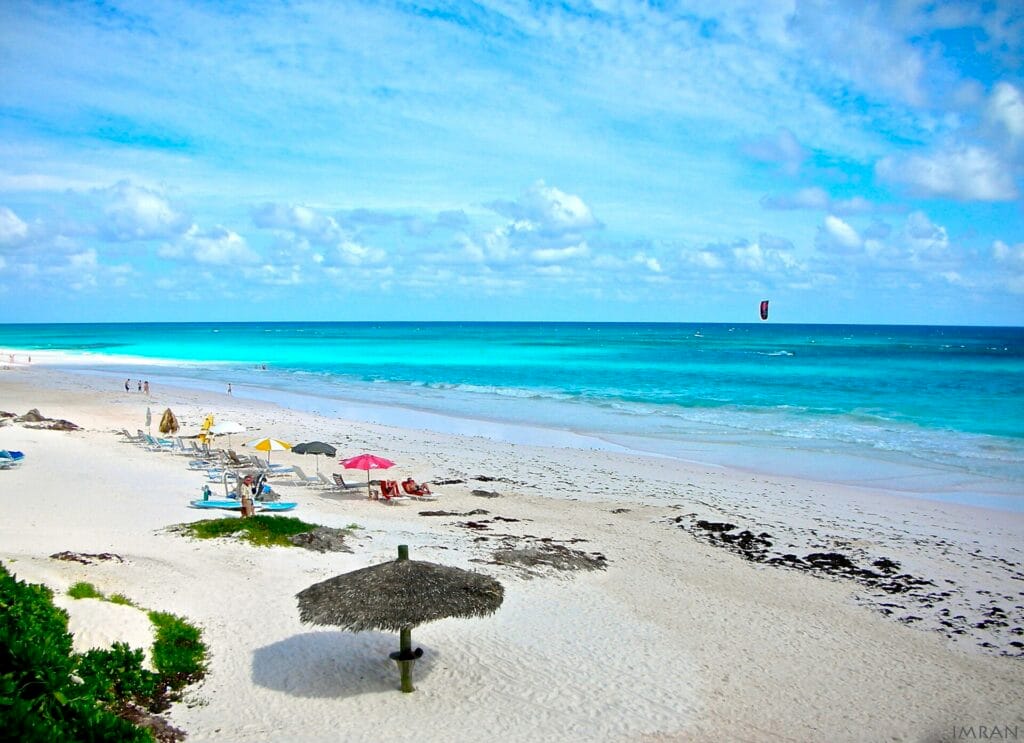
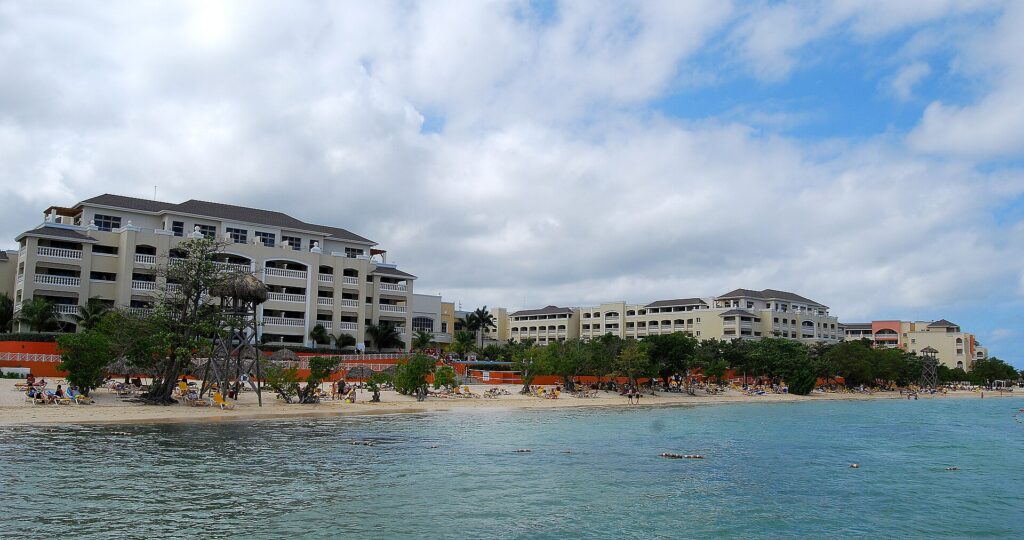
Downtown Kingston (especially West Kingston), Montego Bay inner city, Spanish Town. Resort areas (Negril, Ocho Rios, Port Antonio) are safe.
Is Jamaica Safe for Solo Female Travelers?
Solo female travelers should take extra precautions: stay in well-reviewed accommodations, avoid walking alone after dark, dress modestly in conservative areas, and consider joining group tours for remote destinations.
Emergency Contacts
Emergency number: 119. Register with your country’s embassy before arrival. Keep digital and physical copies of your passport, insurance, and emergency contacts.
What Jamaica’s 2026 Numbers Actually Say (and the Taxi Mistake to Avoid)
Jamaica’s reputation lags behind its recent data. In January 2026 the U.S. State Department lowered Jamaica to Level 2, Exercise Increased Caution, its updated advisory dated January 17. That matters because 2025 was the country’s safest year in a generation: police logged fewer than 700 murders for the first time in over 31 years, a drop of roughly 40 percent year over year, with Montego Bay recording some months with zero homicides. The risk is real but heavily concentrated, not island-wide.
Where the danger sits is specific. The advisory still flags neighborhoods most visitors will never see: Flankers, Norwood, and Mount Salem near Montego Bay, and Denham Town and Greenwich Town in Kingston. The mistake tourists actually make is transport. Use a licensed JUTA cab with red-and-white ‘PP’ plates that your hotel calls; the cheaper unregistered white-plate ‘robot’ cars carry no passenger insurance and skip background checks. Treat any unsolicited ‘you won a prize, just pay the fee’ approach as the lottery scam Jamaica is known for, online or in person.
Bottom line: book vetted transport, skip the named zones and late-night solo walks, and Jamaica reads as a moderate-risk Caribbean trip rather than the war zone its old headlines suggest.
FAQ
Is Jamaica safe for tourists in 2026?
Yes, but with careful planning. Millions visit Jamaica safely, but you need to be more vigilant than in lower-risk destinations.
What are the main safety concerns in Jamaica?
Violent crime in specific areas, robbery, aggressive vendors, homophobia, ganja tourism risks.
What areas should tourists avoid in Jamaica?
Downtown Kingston (especially West Kingston), Montego Bay inner city, Spanish Town. Resort areas (Negril, Ocho Rios, Port Antonio) are safe.
Planning the trip? Start with things to do in Jamaica.
You Might Also Love


Written by
John Morrison is the founder and lead travel writer at Packzup. Over the past decade he has explored destinations across Africa, the Americas, Asia, Europe, the Middle East, and Oceania — always self-funded, never on a press trip.
Good to know: staying healthy abroad starts with the water — see where the tap water is safe to drink, and dodge the classics with travel scams by country.
Checking other destinations? Is Japan safe? · Is Kenya safe? · Is Lisbon safe? · Is Medellin safe?
