
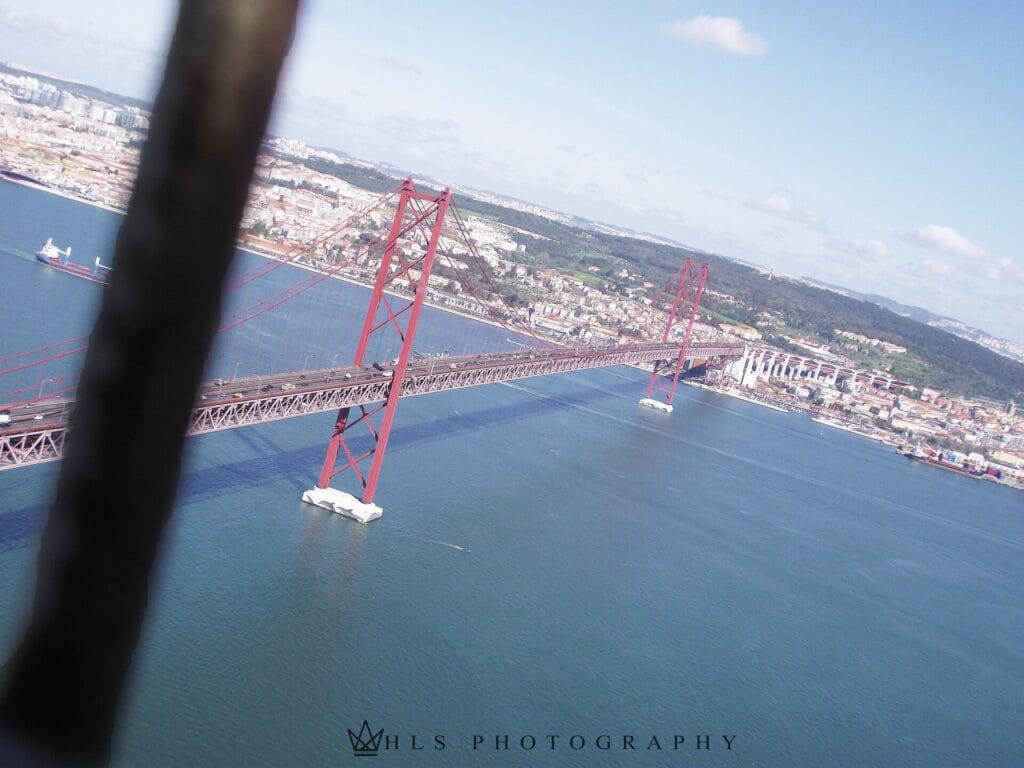
July is hot, effectively rainless at about 4 mm, and the busiest month of the Lisbon year. Days average 28°C and inland spikes go far higher. What saves it is a local wind – the nortada – that arrives most summer afternoons and makes the city bearable in a way that Seville or Madrid are not.
The weather, precisely
Effectively no rain: 4 mm is a rounding error, and you can plan a July week outdoors with confidence. The averages hide heatwaves, though – Lisbon can pass 38°C for several days when hot air pushes in off the Iberian interior, and the Alentejo behind the city runs much hotter still.
The nortada
Lisbon’s summer saving grace and the reason it is milder than its latitude suggests. The nortada is a northerly wind that builds most summer afternoons as the Iberian interior heats up and pulls cool Atlantic air down the coast.
What it means in practice:
- Afternoons on the coast are far cooler than inland – often 6 to 8 degrees cooler at Guincho than in the city centre.
- Evenings are pleasant, which is why Lisbon dines late and outdoors.
- Some beaches are genuinely windy. Guincho is a kitesurfing and windsurfing venue precisely because of the nortada, and it is unpleasant for sunbathing. Carcavelos, the Costa da Caparica and the Setúbal-side beaches at Sesimbra are far more sheltered.
How to handle a July day
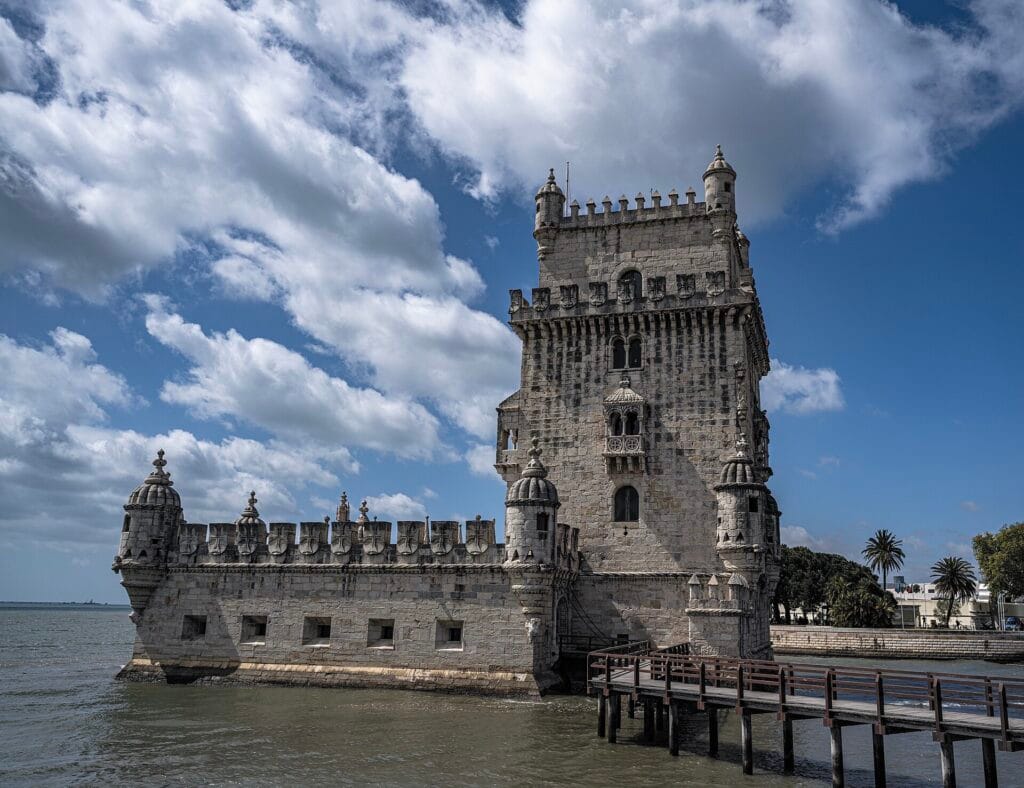
- Early for the hills and the monuments. Alfama, Graça, the miradouros, Jerónimos and Belém Tower before 10:00. Queues at Belém in July run well over an hour; book timed entry where it is offered, and remember most monuments close on Mondays.
- Midday indoors or at the coast. The Gulbenkian, the Tile Museum, MAAT and the Berardo are all air-conditioned; the train to Cascais takes 40 minutes from Cais do Sodré and runs along the water.
- Evening back in the city, which is when Lisbon is at its best and stays busy past midnight.
- Sintra at opening or not at all. It is the single most crowded thing in the region in July, and the Pena Palace requires timed entry booked in advance.
Festival season
- NOS Alive, the largest of the Lisbon festivals, is normally held in July at Algés on the waterfront, with major international headliners across several days. It sells out and fills hotels.
- Super Bock Super Rock also usually falls in July.
- The Festas de Lisboa tail off after June, but neighbourhood arraiais continue sporadically.
- Dates for all of these are announced annually – check before booking, as festival weekends lift rates city-wide.
The sea, at its warmest – which is not warm
The Atlantic peaks at about 19°C in July and August. That is the warmest it gets all year, and it is still cold enough to take your breath on entry. People swim happily; nobody lingers the way they would in Greece. Sardine season is in full swing, and July grilled sardines are excellent.
Prices and crowds
Peak season on both. Book monuments, Sintra and any festival-weekend accommodation well in advance. Lisbon has become significantly more expensive in recent years and July is when that is most obvious. See what a trip to Portugal costs.
What to pack
Light clothing, a hat, strong sunscreen and sunglasses. A light jacket or shawl for the evening – the nortada makes Lisbon evenings cooler than you expect for 28°C days, especially near the water. Comfortable shoes with grip, a refillable bottle, and swimwear.
The July 2027 calendar
- Through July – effectively no rain, about 4 mm; the driest month of the year.
- Most afternoons – the nortada builds, cooling the coast and making Guincho windy.
- Usually July – NOS Alive at Algés and Super Bock Super Rock; dates announced annually, hotels fill.
- Through July – Atlantic at its annual peak of about 19°C; sardine season in full swing.
- Through July – peak queues at Belém and Sintra; book timed entry, and note the Monday closures.
- No national public holidays fall in July in Portugal.
Read alongside
- Lisbon in June – cooler, and the Santo António festivals.
- Lisbon in August – hotter, and the locals leave.
- Lisbon in September – the warmest sea with easier crowds.
- Best time to visit Lisbon – all twelve months compared.
- Lisbon itinerary – how to structure a hot day.
- Lisbon travel guide – the neighbourhoods and how they differ.
- Trip to Portugal cost – peak-season numbers.
Frequently asked
How hot is Lisbon in July?
About 28°C by day and 19°C at night on average, with heatwaves that can push past 38°C. The coast stays several degrees cooler than the centre thanks to the afternoon wind.
What is the nortada?
A northerly wind that builds most summer afternoons as the Iberian interior heats and draws cool Atlantic air down the coast. It keeps Lisbon milder than Seville or Madrid, and it is why Guincho is a windsurfing beach rather than a sunbathing one.
Does it rain in Lisbon in July?
Effectively never – about 4 mm. It is the driest month of the year and you can plan outdoor days with confidence.
How warm is the sea in Lisbon in July?
About 19°C, its annual peak. That is the warmest the Atlantic gets here, and it is still bracing on entry – this is the ocean, not the Mediterranean.
Which Lisbon beach is least windy?
Carcavelos and the Costa da Caparica are far more sheltered than Guincho, which catches the full nortada. Sesimbra, on the Setúbal side, is the calmest of all.
Is July too crowded in Lisbon?
It is the busiest month. Belém queues run over an hour and Sintra is overwhelmed – book timed entry, go at opening, and keep midday for museums or the coast.
What festivals are in Lisbon in July?
NOS Alive at Algés is the largest, usually with major international headliners, and Super Bock Super Rock normally falls in the same month. Dates are announced annually and both lift hotel rates.
Do I need a jacket in Lisbon in July?
A light one for the evening, yes. The nortada makes Lisbon nights cooler than a 28°C day would suggest, particularly near the water.
You Might Also Love

Written by
John Morrison is the founder and lead travel writer at Packzup. Over the past decade he has explored destinations across Africa, the Americas, Asia, Europe, the Middle East, and Oceania — always self-funded, never on a press trip.
