
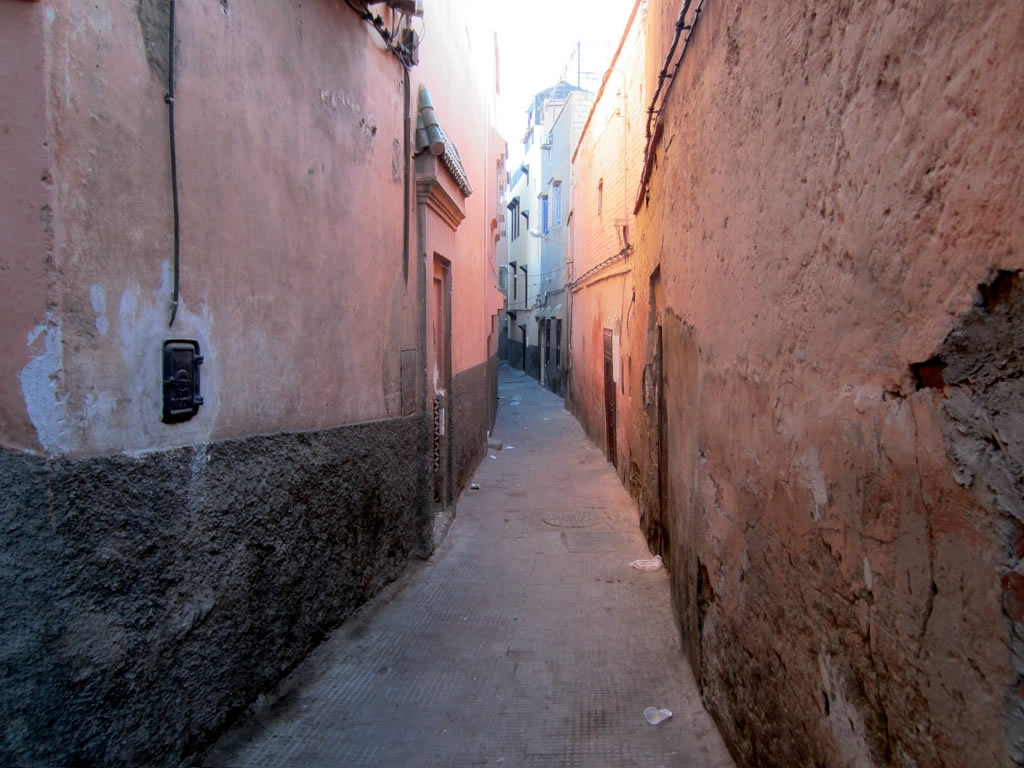
July is Morocco at full heat and full capacity. Marrakech averages around 38°C, the Sahara is out of the question, and the Atlantic and Mediterranean coasts fill with Moroccan families and with the summer return of the diaspora. Throne Day falls on 30 July, the festival calendar is dense, and if you pick the right half of the country it is a very good month.
Marhaba: why the north is so full
Every summer, from roughly early July into early September, several million Moroccans living in Europe come home by ferry and road. Officially this is Operation Marhaba, and it reshapes the north:
- Ferries from Spain and France to Tanger Med and Nador run at capacity; book vehicle crossings well ahead.
- The Tangier, Tetouan, Al Hoceima and Saidia coasts are at their busiest of the year, with prices to match.
- Northern motorways are heavy, especially at weekends.
It is an excellent thing to witness and a bad thing to be unprepared for. The southern Atlantic coast – Essaouira, Oualidia, Taghazout – is busy too but nothing like the north.
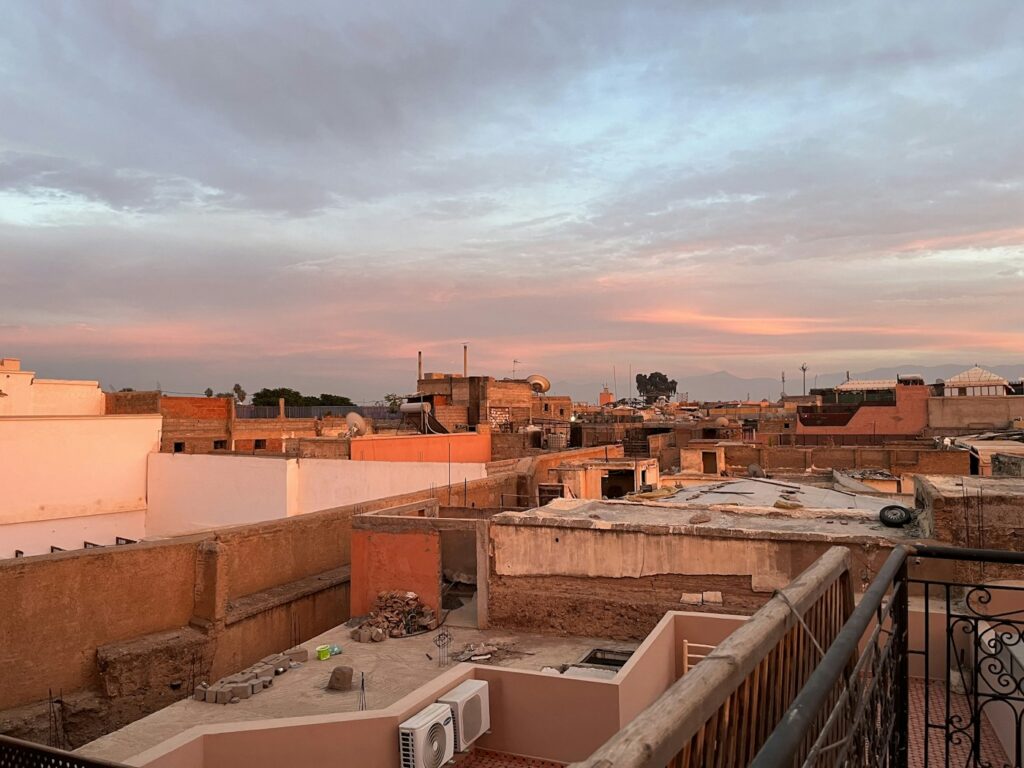
Throne Day, 30 July
The Fête du Trône marks the king’s accession and is the largest civil holiday of the Moroccan year. Expect flags and portraits everywhere, official ceremonies, banks and administration closed, and a generally festive couple of days. Shops and restaurants largely carry on, unlike at Eid.
The festivals
Continue planning your Morocco trip
Dates are announced annually – treat these as the usual window:
- Festival National des Arts Populaires, Marrakech – usually July. Traditional music and dance troupes from across Morocco, with the fantasia horse display outside the walls.
- Timitar Festival, Agadir – usually July. Amazigh (Berber) music meeting international acts, largely free, and the best reason to be in Agadir for anything other than the beach.
- Asilah Cultural Festival – usually July into August. Muralists repaint the whitewashed medina walls of this small northern Atlantic town every summer.
- Jazzablanca, Casablanca – sometimes runs into early July.
Weather by region
- Marrakech – about 38°C by day, 21°C at night; chergui days can top 45°C.
- Fes and Meknes – similar or hotter, with no coastal relief.
- Essaouira – around 23°C and reliably windy; the coolest place in the country at sea level.
- Agadir and Taghazout – about 27°C, sunny, gentle summer surf.
- Tangier and the Mediterranean – around 30°C, warm sea, and packed.
- The High Atlas – still the best escape; Imlil and the Ait Bougmez are pleasant by day and cool at night.
- The Sahara – well past 40°C. Genuinely not the season.
Prices and crowds
A split month. Coastal Morocco is at its annual peak on both price and occupancy, while Marrakech and Fes are at or near their annual floor – you can stay in a riad in July for a fraction of what it costs in April. Whether that trade is worth it depends entirely on how you handle 38°C. See what a trip to Morocco costs.
What to pack
Loose, long, light-coloured cotton or linen rather than less fabric – it is dry heat and covering up works. Add a proper sun hat, high-factor sunscreen, electrolyte sachets, a windproof layer for the Atlantic evenings, and a warm layer if you are going up into the Atlas. See the Morocco packing list.
The July 2027 calendar
- Early July into September – Operation Marhaba; the diaspora return fills ferries, northern roads and coastal hotels.
- Usually July – Festival National des Arts Populaires in Marrakech; dates announced annually.
- Usually July – Timitar Festival of Amazigh music in Agadir; largely free.
- July into August – the Asilah Cultural Festival repaints the medina walls.
- Friday 30 July – Throne Day, the largest civil holiday of the year; banks and administration close.
- Through July – the Sahara is out of season; the High Atlas and the Atlantic are the escapes.
Read alongside
- Morocco in June – when the coast first takes over.
- Morocco in August – the price inversion at its most extreme.
- Marrakech in July – the city-level view.
- Best time to visit Morocco – all twelve months compared.
- Trip to Morocco cost – the summer coast-versus-interior split.
- Morocco packing list – the hot-weather version.
- Morocco travel guide – the regions and how they differ.
Frequently asked
How hot is Morocco in July?
Marrakech averages about 38°C by day with 21°C nights and can exceed 45°C on chergui days. Essaouira stays near 23°C, Agadir 27°C, and the Sahara is well over 40°C.
Is July a bad time to visit Morocco?
Not if you choose the right regions. The Atlantic coast and the High Atlas are comfortable and the festival calendar is at its best. The desert and long days of medina sightseeing are the parts that do not work.
What is Throne Day in Morocco?
The Fête du Trône on 30 July marks the king’s accession. It is the biggest civil holiday of the year: official ceremonies, flags everywhere, banks and administration closed, most shops and restaurants open as usual.
Why are Moroccan ferries so busy in July?
Operation Marhaba – the annual summer return of several million Moroccans living in Europe, from early July into early September. Crossings to Tanger Med and Nador run at capacity, so book vehicles well ahead.
Where is coolest in Morocco in July?
Essaouira, at around 23°C with a constant Atlantic wind, is the coolest place at sea level. The High Atlas valleys around Imlil and the Ait Bougmez are cooler still at night.
Is Marrakech cheap in July?
Yes – it is at or near its annual floor for accommodation, at exactly the time the coast is at its peak. The riad you could not justify in April is affordable in July.
Can you visit the Sahara in July?
It is not advisable. Daytime temperatures pass 40°C, treks are cut short and the overnight stays hot. The desert season runs roughly October to April.
Are there religious holidays in Morocco in July 2027?
No. Ramadan falls around February to March 2027 and Eid al-Adha around 17 May. Throne Day on 30 July is a civil holiday.
You Might Also Love

Written by
John Morrison is the founder and lead travel writer at Packzup. Over the past decade he has explored destinations across Africa, the Americas, Asia, Europe, the Middle East, and Oceania — always self-funded, never on a press trip.
