
Last updated August 27, 2026 · Editorial policy
Quick verdict: Both share the Alps. Both have lake-and-mountain villages that look fake. Both rank as some of the most reliable, safe, well-run countries on Earth. Switzerland is the polished premium pick — dramatic peaks, cog railways, chocolate, four languages. Austria is the cheaper, more cultural cousin — Vienna, Salzburg, Mozart, hill-country charm. Here’s how to choose.
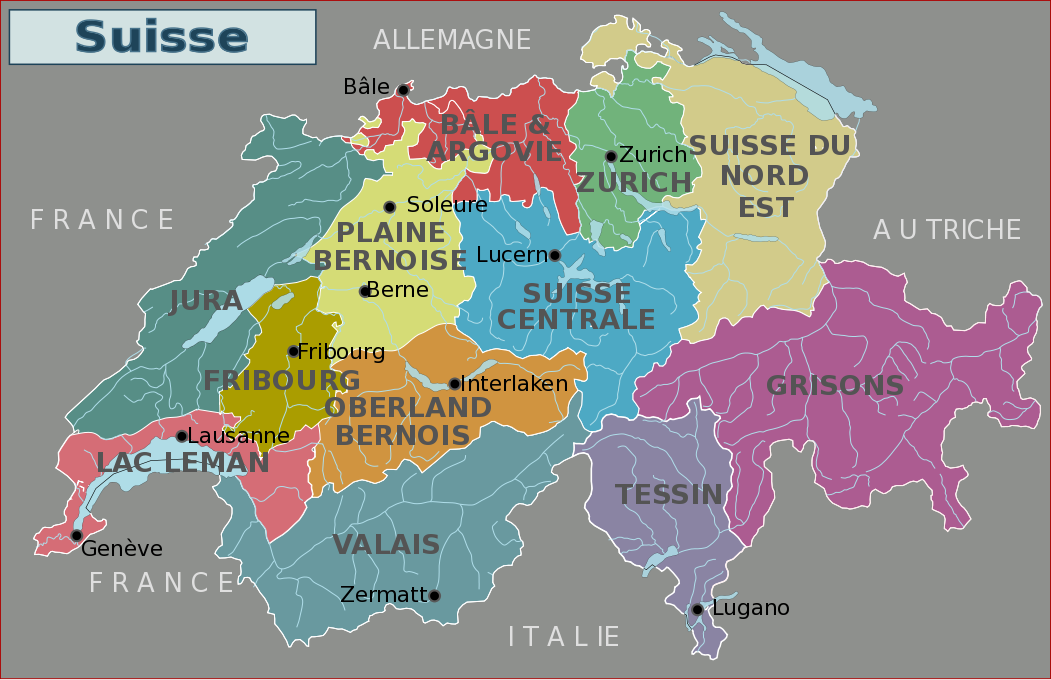
Switzerland
Best time: Jun-Sep (hiking), Dec-Mar (ski)
Daily cost: $200-350/day
Austria
Best time: May-Sep (hiking), Dec-Mar (ski)
Daily cost: $130-220/day
When to go: Switzerland vs Austria
Measured, not guessed — five years of climate normals (WMO 1991–2020, or ERA5 2019–2023 where unavailable). Months are ranked by how close the average high sits to 25°C, penalised by wet days.
Switzerland
- Best month
- August
- Then expect
- 24.2°C · 12 wet days
- Next best
- July, June
- Wettest month
- May (17 wet days)
Austria
- Best month
- July
- Then expect
- 27.3°C · 9 wet days
- Next best
- August, June
- Wettest month
- May (14 wet days)
- Different windows — Switzerland peaks in August, Austria in July. If your dates are fixed, that is the deciding factor.
- Austria is the drier bet at its peak — 9 wet days vs 12.
- Biggest split is July — Austria is 2.4°C warmer that month.
Source: climate normals (WMO 1991–2020, or ERA5 2019–2023 where unavailable) via Open-Meteo, CC BY 4.0 — Packzup Travel Climate Dataset (open data).
Switzerland vs Austria at a glance
| Switzerland | Austria | |
|---|---|---|
| Best for | Iconic Alps, lakes, polish | Music & culture, value, alpine charm |
| Vibe | Pristine, premium | Elegant, warmer, cheaper |
| Daily budget (mid-range) | €180–280 | €110–160 |
| Best time | Jun–Sep (hike), Dec–Mar (ski) | Jun–Sep (hike), Dec–Mar (ski) |
| Don’t miss | Jungfrau, Zermatt, Lucerne | Vienna, Salzburg, Tyrol, Hallstatt |
| The catch | Extremely expensive | Less dramatic peaks |
How Switzerland and Austria compare on what matters
Mountains
Cities
Cost
Transit
Culture & History
Skiing
Switzerland or Austria: the honest verdict
Helpful Packzup guides
- Switzerland Travel Guide
- Austria Travel Guide

The deciding factor: what each charges for the same alpine day
Choose Austria if you want genuine Alpine skiing and scenic rail without the Swiss markup, and choose Switzerland if a specific bucket-list peak or train is non-negotiable and the price is not. The clearest gap is at the lift gate. For 2025-2026, a Zermatt day pass runs about 104 euros while St. Anton am Arlberg sits near 81.50 euros, a roughly 22-euro-a-day saving that compounds fast over a week of skiing for two. Austrian resorts raised prices too, mostly to cover higher electricity costs, but they still land well below the Swiss flagships.
Scenic trains tell the same story. The Glacier Express from Zermatt to St. Moritz costs CHF 153 to 313 plus a mandatory seat reservation (CHF 54 from December 2025), so a couple in panoramic class clears CHF 400 before lunch. The comparable Austrian indulgence, a fast OBB or Westbahn run from Vienna to Salzburg, starts around 19.90 euros booked ahead and takes 2.5 hours. Salzburg and Vienna also give Austria a cultural depth, with Mozart’s birthplace and the Hofburg, that no Swiss city quite matches.
Frequently asked questions
Can I do both Switzerland and Austria?
Is Austria really 30-40% cheaper than Switzerland?
Which is better for skiing?
Which is better in summer?
Which has better food?
Some links on Packzup are affiliate links. We may earn a small commission at no extra cost to you. We only recommend partners we trust.
Planning the trip? Go deeper with best time to visit Switzerland and best time to visit Austria.
You Might Also Love

Written by
John Morrison is the founder and lead travel writer at Packzup. Over the past decade he has explored destinations across Africa, the Americas, Asia, Europe, the Middle East, and Oceania — always self-funded, never on a press trip.
