Last updated August 21, 2026 · Editorial policy
Torn between Italy and Switzerland for your next trip? Both are fantastic — but they suit different travelers, budgets, and trip styles. Here is an honest, data-driven comparison of Italy vs Switzerland across cost, visas, best time to visit, and overall vibe, with a clear verdict on which to choose.
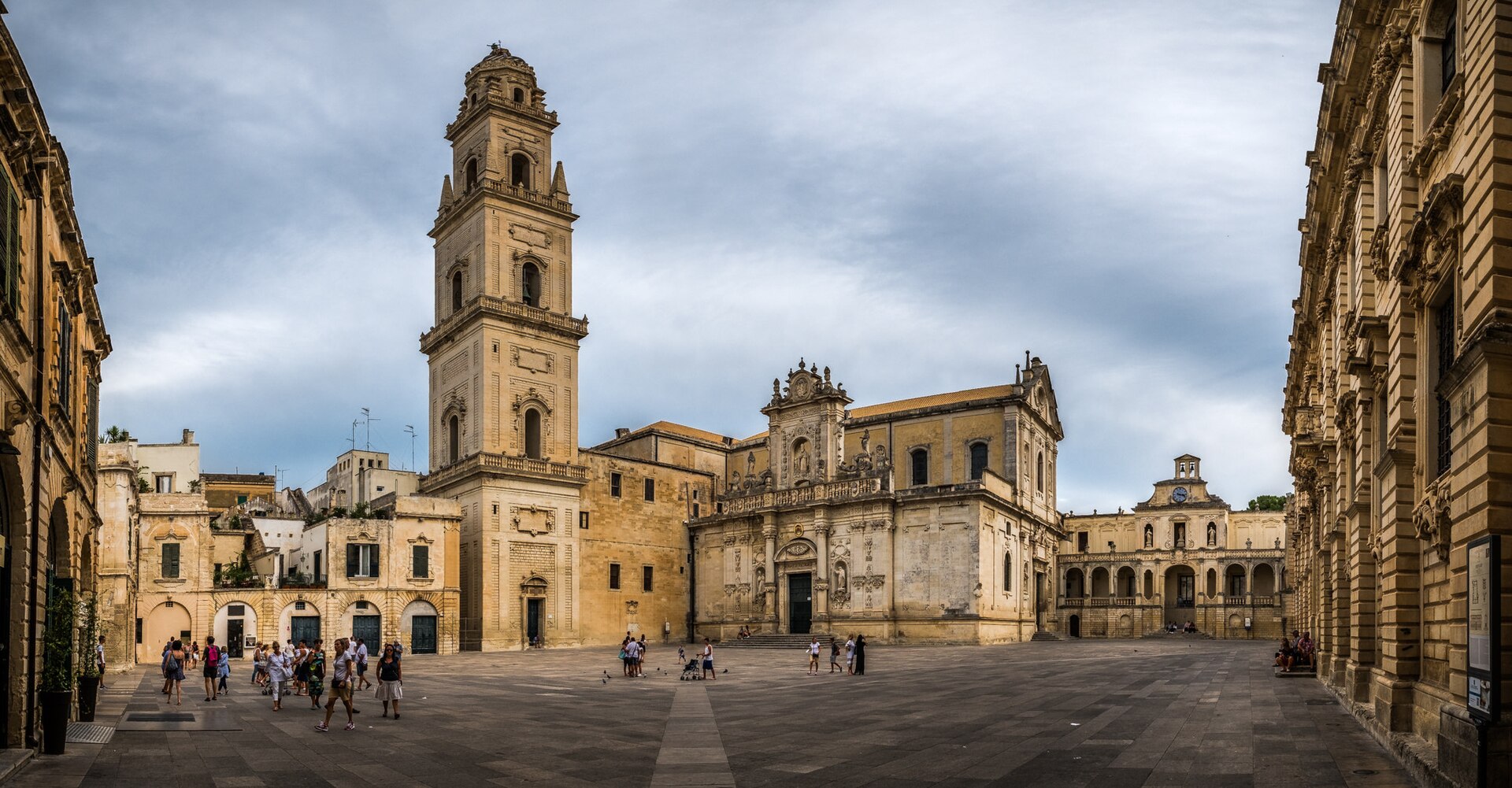
Choose Italy if budget is your priority — it works out cheaper day to day. Choose Switzerland if it better matches the experience you are after. Both reward travelers who plan around the right season.
When to go: Italy vs Switzerland
Measured, not guessed — five years of ERA5 reanalysis (2019–2023). Months are ranked by how close the average high sits to 25°C, penalised by wet days.
Italy
- Best month
- June
- Then expect
- 29.8°C · 5 wet days
- Next best
- September, October
- Wettest month
- November (16 wet days)
Switzerland
- Best month
- August
- Then expect
- 24.2°C · 12 wet days
- Next best
- July, June
- Wettest month
- May (17 wet days)
- Different windows — Italy peaks in June, Switzerland in August. If your dates are fixed, that is the deciding factor.
- Italy is the drier bet at its peak — 5 wet days vs 12.
- Biggest split is November — Italy is 9.1°C warmer that month.
Source: ERA5 reanalysis (2019–2023) via Open-Meteo, CC BY 4.0 — Packzup Travel Climate Dataset (open data).
Italy vs Switzerland at a glance
| Italy | Switzerland | |
|---|---|---|
| Best for | Art, food, history | The Alps, lakes, scenery |
| Vibe | Warm, chaotic, cultural | Pristine, orderly, premium |
| Daily budget (mid-range) | €100–160 | €180–280 |
| Best time | Apr–Jun, Sep–Oct | Jun–Sep (hike), Dec–Mar (ski) |
| Don't miss | Rome, Florence, Venice | Jungfrau, Lucerne, the Matterhorn |
| The catch | Crowds; scams | Very expensive |
Italy vs Switzerland: Cost & Entry Snapshot
| Italy | Switzerland | |
|---|---|---|
| Region | Europe | Europe |
| Daily cost (mid-range) | $180-$300 | $500-$900 |
| Budget daily | $55-$100 | $150-$250 |
| Cost level | Pricier | Expensive |
| US visa | Visa-Free | Visa-Free |
| Currency | EUR | CHF |
| Capital | Rome | Bern |
Which is cheaper, Italy or Switzerland?
Day to day, Italy is the more budget-friendly choice. A mid-range traveler spends about $240/day in Italy versus $700/day in Switzerland. Over a one-week trip that is roughly $1,680 vs $4,900 per person — a meaningful gap if you are watching your budget. Backpackers can go lower in both, and luxury travelers will spend well above these figures in either country.
Visas & entry
For US passport holders, Italy typically requires visa-free and Switzerland requires visa-free. Rules vary by nationality and change often — always confirm with the official government source before booking. See our full visa guides linked below for a passport-by-passport breakdown.
Italy or Switzerland: which is better?
- You want a Europe trip with pricier daily costs.
- Budget is a priority — your money stretches further here.
- You want a Europe trip with expensive daily costs.
- You are happy to spend a bit more for the experience.
So which one should you actually book?
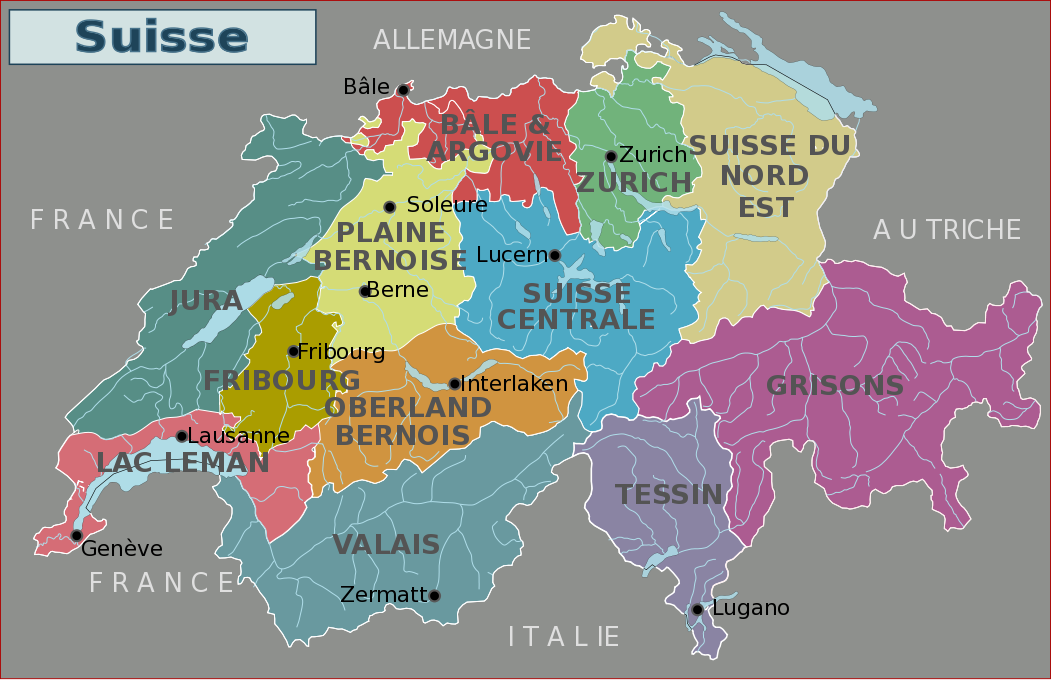
Choose Italy if your trip is about what's indoors and on the plate, and choose Switzerland if it's about what's outside the window. The deciding factor is simple: cities and culture, or mountains and motion.
Italy stacks centuries you cannot get in the Alps. Florence alone holds the Uffizi and Botticelli's Renaissance masterpieces, Rome wraps a whole ancient empire into a walkable centre, and Venice has no road traffic at all. Visit in winter and those same galleries empty out, so you can stand in front of a Caravaggio without a crowd, at low-season hotel rates. Switzerland doesn't try to match that; its draw is altitude. The Jungfraujoch return runs CHF 224–261, and the Dolomites and Zermatt deliver world-class skiing in winter and high-alpine hiking in summer.
Think about the photos you want to come home with. Italy gives you frescoed ceilings, espresso at a piazza, and handmade pasta with truffle. Switzerland gives you a cogwheel train climbing into snow and a lake the colour of glass. Art and food point to Italy; peaks and fresh air point to Switzerland.
Italy vs Switzerland FAQ
Is Italy cheaper than Switzerland?
Italy or Switzerland: which is better for first-time visitors?
Can I visit both Italy and Switzerland in one trip?
Do I need a visa for Italy or Switzerland?
Planning the trip? Go deeper with our Italy Travel guide and best time to visit Switzerland.
You Might Also Love


Written by
John Morrison is the founder and lead travel writer at Packzup. Over the past decade he has explored destinations across Africa, the Americas, Asia, Europe, the Middle East, and Oceania — always self-funded, never on a press trip.