
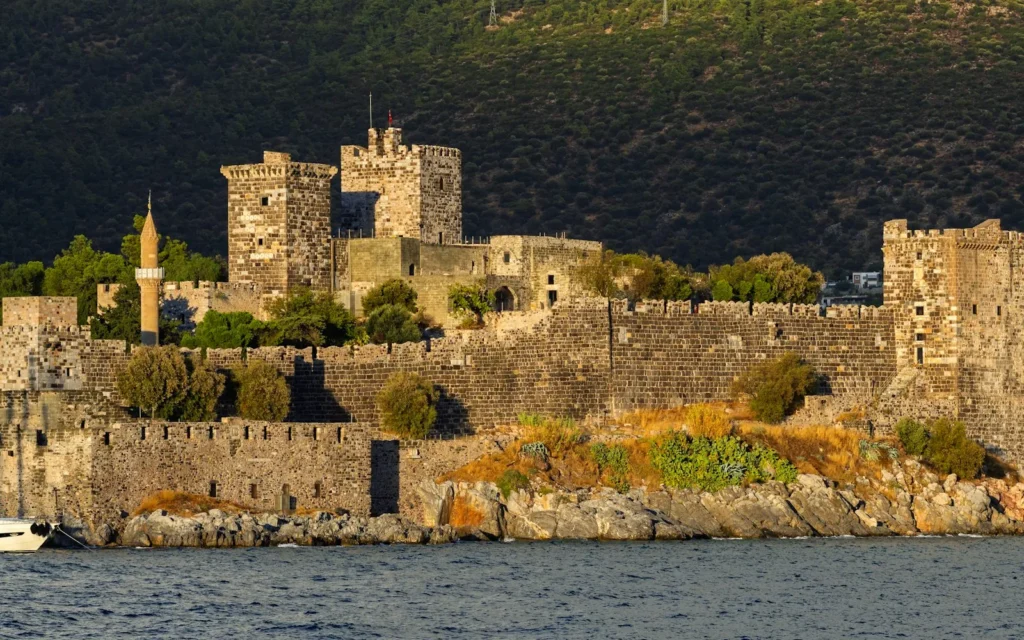
June is the best month of the Turkish summer. The Mediterranean and Aegean are warm enough to swim – the sea reaches about 23°C – Istanbul is a comfortable 26°C rather than the sticky 30°C of August, Cappadocia balloons fly on nearly every morning, and the Turkish school holidays have not yet filled the coast. It is the month with the best combination of weather, availability and price in the whole year.
Why June beats July and August
Three things line up:
- The sea is warm but the air is not yet punishing. Antalya in June runs around 32°C against 34–35°C in July and August, and the humidity on the Aegean is lower.
- Balloon reliability peaks. Cappadocia’s cancellation rate is at its lowest of the year in late spring and early summer – the opposite of winter.
- Turkish schools break in mid-June, so the first two weeks are markedly quieter and cheaper on the coast than the second half.
If you want one recommendation from this whole cluster: the first fortnight of June is the best two weeks to visit Turkey.
Weather by region
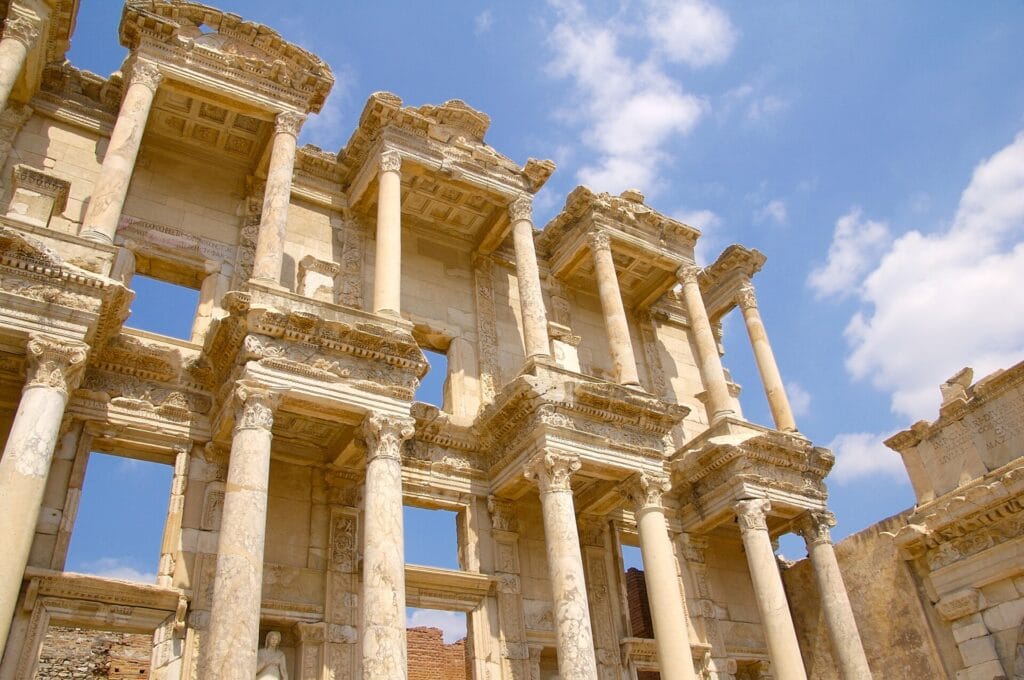
- Istanbul – about 26°C by day and 18°C at night, with roughly 50 mm of rain in occasional thunderstorms. Comfortable, long evenings, and the Bosphorus at its best.
- Cappadocia – around 25°C by day and 13°C at night, dry and bright, with cool mornings for the balloons.
- The Mediterranean coast – Antalya, Kas and Fethiye at about 32°C, sunny and dry, with sea temperatures near 23–24°C.
- The Aegean – Bodrum, Cesme and Kusadasi in the high twenties, with the meltem wind starting to blow, which keeps the coast comfortable and makes it good for sailing.
- Eastern Anatolia – finally accessible: the high passes open, Lake Van and Nemrut Dagi become practical, and Mount Nemrut’s sunrise season begins.
The gulet and sailing season
Continue planning your Turkey trip
June opens the best weeks for a gulet – the traditional wooden motor-sailer – along the Turquoise Coast. The classic routes run Fethiye to Olympos or Bodrum to Gokova, typically four nights, anchoring in bays that are unreachable by road.
June suits it particularly well: the water is warm, the meltem has not reached its August strength, and the bays are not yet crowded with charter boats. Book the boat rather than the itinerary – the quality varies enormously – and check whether the price includes drinks, which is where the difference usually sits.
Kirkpinar and the summer festivals
- Kirkpinar oil wrestling at Edirne – held since 1346 and claimed as the oldest continuously running sporting event in the world, usually in late June or early July. Wrestlers coat themselves in olive oil and compete in a grass arena over several days. It is UNESCO-listed.
- The Istanbul Music Festival – classical concerts in Hagia Eirene and other historic venues through June.
- Mount Nemrut – the giant stone heads at sunrise, with the season running roughly May to October.
Prices and crowds
The first two weeks are shoulder-priced with summer weather – the best value window of the year. From about the middle of the month, Turkish schools break and the coast fills, with rates climbing steadily into July and August.
See how much a trip to Turkey costs.
What to pack
Light clothing, strong sun protection and a hat for the unshaded ruins, plus a light layer for Cappadocia mornings and Istanbul evenings. Add swimwear, water shoes for the pebble coves of the Mediterranean, and modest clothing for mosques – shoulders and knees covered, and a headscarf for women, usually lent at the door. See what to do in Turkey.
The June 2027 calendar
- First two weeks – shoulder prices with summer weather; the best value window of the Turkish year.
- Through June – the Istanbul Music Festival in historic venues.
- Mid June – Turkish schools break; the coast begins filling and rates climb.
- Through June – Cappadocia balloon reliability at its best of the year.
- Through June – gulet season opens on the Turquoise Coast; the meltem is still gentle.
- Late June or early July – Kirkpinar oil wrestling at Edirne, running since 1346.
- Through June – eastern Anatolia opens: Lake Van, Nemrut Dagi and the high passes.
Read alongside
- Turkey in May – Kurban Bayrami and the spring coast.
- Turkey in July – peak summer and the heat.
- Best time to visit Turkey – all twelve months compared.
- Cappadocia in June – the region in detail this month.
- Turkey 10-day itinerary – a route built for June.
- How much a trip to Turkey costs – shoulder-season numbers.
- Turkey travel guide – regions and how to combine them.
Frequently asked
Is June the best month to visit Turkey?
For most trips, yes – and the first fortnight especially. The sea is warm, the air is not yet punishing, balloon reliability peaks, and Turkish schools have not broken up, so the coast is still quiet and shoulder-priced.
How warm is Turkey in June?
Istanbul averages about 26°C by day and 18°C at night, Cappadocia around 25°C with cool nights, and the Mediterranean coast near 32°C with the sea at 23–24°C.
Can you swim in Turkey in June?
Yes. The Mediterranean and Aegean reach about 23–24°C, which is comfortable for most people, and the sea keeps warming into September.
Do Cappadocia balloons fly reliably in June?
This is the most reliable part of the year. Cancellation rates are at their lowest, unlike winter, though flights still depend on morning wind and no operator can guarantee a slot.
What is a gulet cruise?
A trip on a traditional wooden motor-sailer along the Turquoise Coast, usually four nights on routes like Fethiye to Olympos or Bodrum to Gokova, anchoring in bays unreachable by road. June is among the best months for it.
What is Kirkpinar?
The oil wrestling festival at Edirne, held since 1346 and claimed as the oldest continuously running sporting event in the world. Wrestlers coat themselves in olive oil and compete over several days. It is UNESCO-listed and usually falls in late June or early July.
When do Turkish schools break up?
Around the middle of June, and the effect on the coast is immediate. The first two weeks of the month are noticeably quieter and cheaper than the second half.
Is eastern Turkey open in June?
Yes – this is when it becomes practical. The high passes open, and Lake Van, Nemrut Dagi and the sunrise season at the stone heads all run from roughly May to October.
You Might Also Love




Written by
John Morrison is the founder and lead travel writer at Packzup. Over the past decade he has explored destinations across Africa, the Americas, Asia, Europe, the Middle East, and Oceania — always self-funded, never on a press trip.
