

Last updated September 11, 2026 · Editorial policy
More: When to visit Spain · Spain travel guide
What to Pack for Spain 2026: Complete Packing List
Spain packing varies wildly by region — beach essentials for Andalusia, layers for Madrid year-round, and dressy options for tapas-bar evenings everywhere.
Spain Packing List by Category
Essentials
- EU Type C/F plug adapter
- Passport + photocopies
- €100-150 cash for tapas bars + tips
- Crossbody bag
- Reusable water bottle
- Sunscreen SPF 50+ (Spanish sun intense)
Clothing (Summer May-Sep)
- Lightweight + breathable — Seville/Cordoba 40°C+ in July-August
- Linen pants + sundresses
- Comfortable sandals + walking sneakers
- Swimsuit + cover-up for Mediterranean/Atlantic beaches
- Wide-brimmed hat + sunglasses
- Long-sleeve cotton shirt for sun protection during day
- Light scarf or cardigan for AC restaurants
Clothing (Fall/Winter Oct-Apr)
- Wool coat + scarf for Madrid (0-10°C winter)
- Light jacket for Andalusia (12-18°C winter)
- Waterproof shoes for occasional rain
- Layers for indoor heating vs. cool outside
Tapas + Nightlife
- Smart casual outfit (Spaniards dress up to go out, even casual tapas)
- Comfortable shoes that double as evening wear
- Light cardigan for late-night chill (dinner starts 10pm)
What NOT to Pack
- Heels for cobblestone old towns — Granada, Seville, Toledo all impossible
- Heavy backpack (small crossbody enough)
- Hair dryer (all hotels provide)
- Excessive cash (cards widely accepted)
Spain Packing FAQ
Packing for Spain’s Regions: One Country, Three Climates
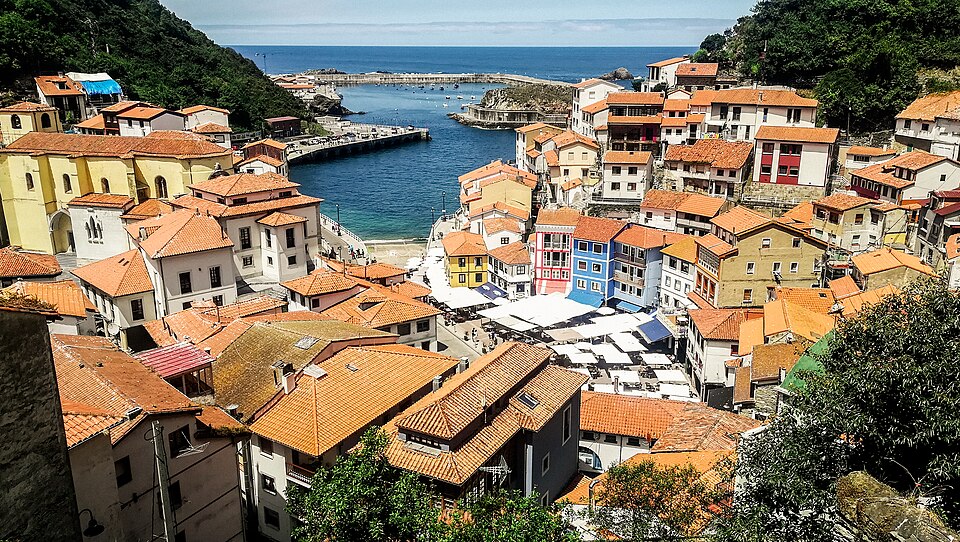
Spain is not one climate, so what you pack depends entirely on where you’re headed. In July and August, inland Andalusia is brutal: Seville and Córdoba routinely top 40°C (104°F), and the pavement radiates heat well into the evening. The central Meseta around Madrid bakes at 34–36°C by day but drops sharply at night thanks to its 650m altitude, so pack one light layer even in summer. The Mediterranean coast is gentler: Barcelona averages highs of 28–29°C (82–84°F) with humid, comfortable evenings and a sea breeze.

Translate that into your bag:
- Andalusia / Madrid in summer: linen and cotton only, in light colors. Linen is thermoregulating and the single best fabric for 40°C heat. Pack a wide-brim hat, sunglasses, and a refillable water bottle.
- Coast (Barcelona, Valencia, Costa del Sol): swimwear, a beach cover-up, and flat leather sandals; add a light cardigan for breezy nights.
- Northern Spain (San Sebastián, Bilbao, Galicia): markedly cooler and wetter year-round — bring a packable rain shell and a sweater even in July.
Shoulder season (April–June, September–October) is mild nationwide, so layers matter more than bulk.
Power, Plugs, and Voltage: What US Travelers Actually Need
This is where Americans most often get caught out. Spain uses Type C and Type F plugs (two round pins) running on 230 volts at 50 Hz. US outlets are Type A/B flat pins on 120 volts — the shapes are completely incompatible, so you cannot plug anything in without an adapter.
The good news: you almost certainly do not need a heavy voltage converter. Check the fine print on each charger:
- If it reads “INPUT: 100–240V”, the device is dual-voltage and a simple plug adapter is all you need. This covers virtually every phone charger, laptop adapter, camera battery charger, tablet, and electric toothbrush.
- If a device is rated for 120V only — the classic culprits are US hair dryers, flat irons, and curling irons — plugging it into 230V will fry it or trip the outlet. Leave these home; most Spanish hotels and apartments supply a hair dryer.
Pack a USB plug adapter with multiple ports so one wall socket charges your phone, watch, and earbuds at once — Spanish rooms often have only one or two accessible outlets. A short power strip plus a single adapter is the trick experienced travelers use to power a whole nightstand of gear from one converter.
Two Spain-Specific Items Generic Lists Forget: Anti-Theft Gear and a Cover-Up
Two things make Spain different from a generic Europe trip, and both belong in your bag before you zip it.
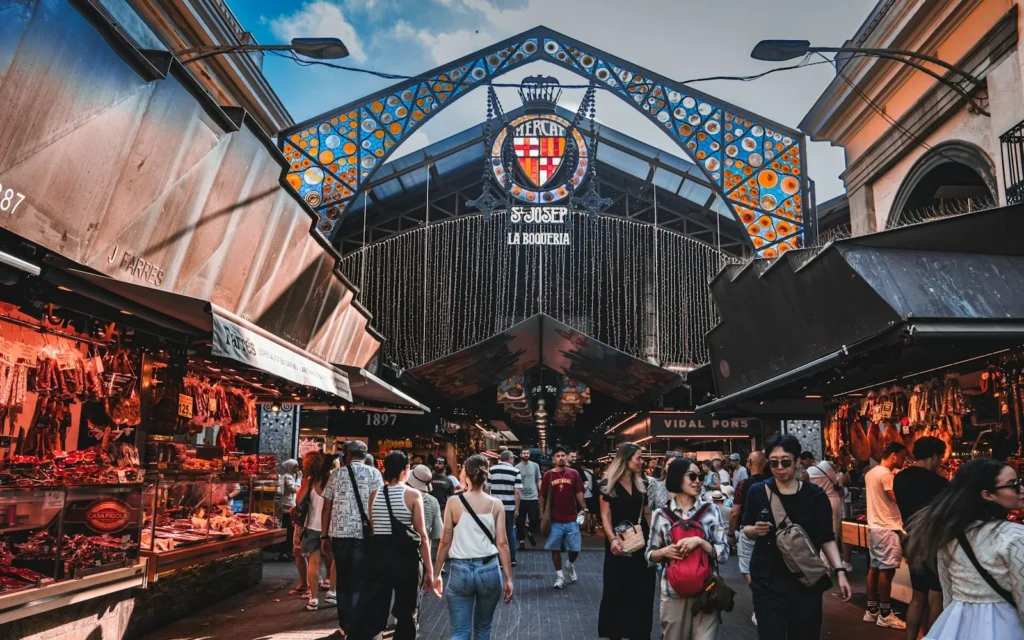
1. A secure crossbody bag. Barcelona consistently ranks among Europe’s worst cities for pickpocketing, concentrated on La Rambla, the metro, and crowded attractions. Madrid, Seville, and Valencia are noticeably safer but not risk-free. Skip the open tote. Bring a crossbody worn in front with locking zippers, slash-resistant straps, and an RFID-blocking pocket for your cards. Know the three classic moves: the spill (someone stains you while an accomplice digs in your bag), the bump-and-rob, and the crowd press on packed metro cars. A money belt under your shirt keeps your passport and backup cash genuinely invisible.
2. A lightweight scarf or cover-up. Spain’s major churches enforce dress codes at the door, and staff turn away beachwear, especially in summer. At the Sagrada Família, shoulders must be covered and bottoms must reach at least mid-thigh — no swimwear, no bare feet. Barcelona Cathedral is stricter (knees and shoulders covered). A packable scarf doubles as shoulder cover, sun protection, and an extra layer on chilly Meseta nights.
Gear that earns its place: best universal travel adapters · best one-bag travel backpacks.
You Might Also Love




Written by
John Morrison is the founder and lead travel writer at Packzup. Over the past decade he has explored destinations across Africa, the Americas, Asia, Europe, the Middle East, and Oceania — always self-funded, never on a press trip.