
Last updated September 10, 2026 · Editorial policy
Quick answer: Switzerland’s essentials: ride at least one legendary train (Bernina or Glacier Express), stand under the Eiger at Grindelwald, boat Lake Lucerne, and build in one slow lake-town day (Lausanne or Lugano) to let the scenery sink in.
More: When to visit Switzerland · Switzerland travel guide
1. The Jungfrau region
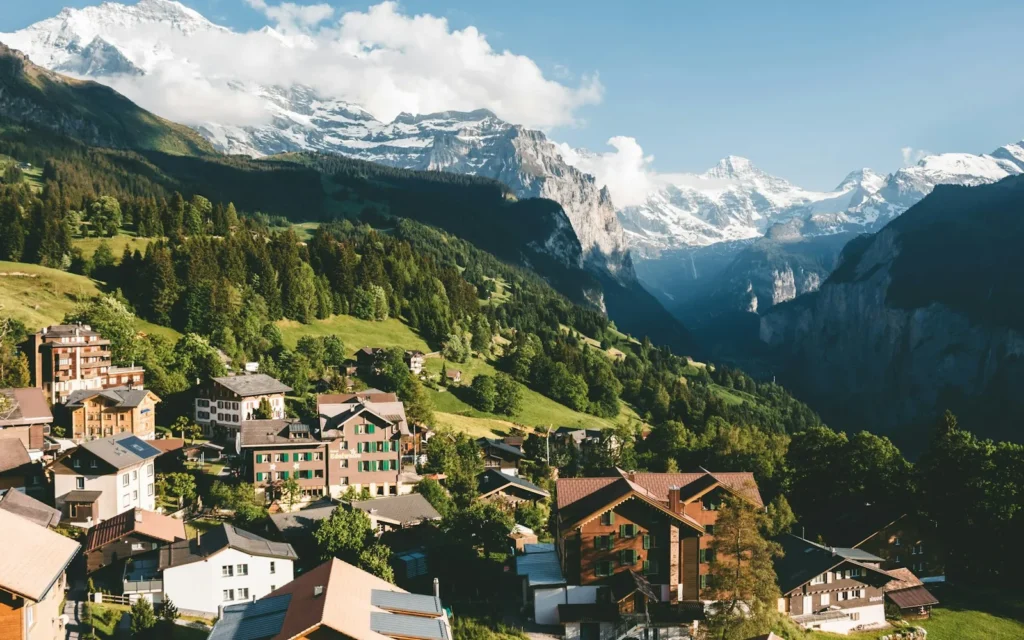
Grindelwald, Wengen and Murren circle the Eiger-Monch-Jungfrau wall: cliff-path hikes (the Murren via ferrata for the bold), the First cliff walk, and the Jungfraujoch railway to 3,454m if the budget allows: the views forgive the ticket.
2. Zermatt & the Matterhorn
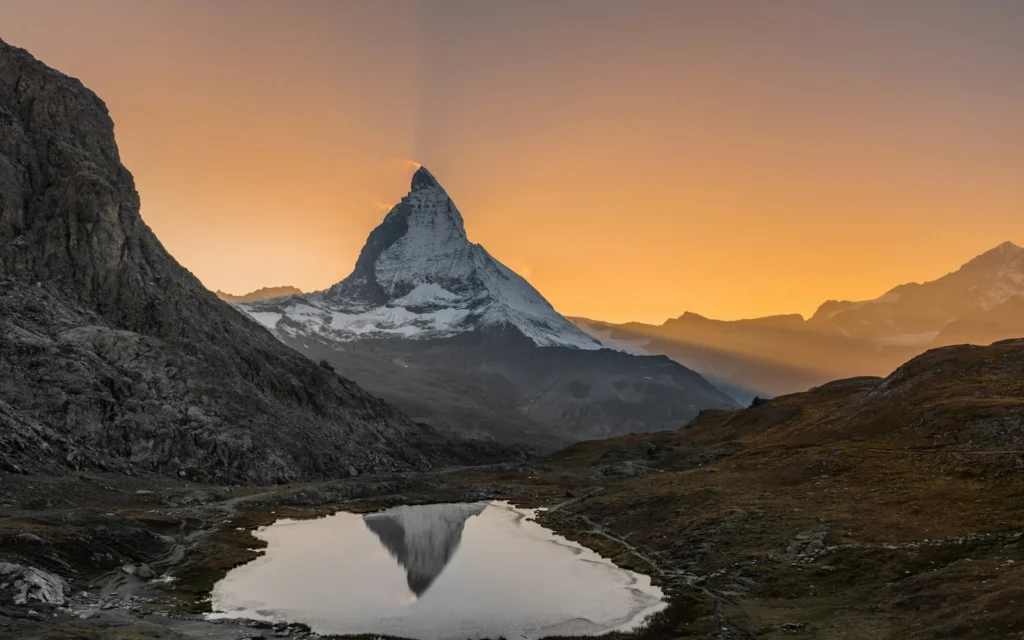
Car-free streets beneath the world’s most photogenic peak. Ride the Gornergrat railway at dawn, hike the 5-Seenweg’s reflecting lakes, and earn the rosti afterwards.
3. The great rail journeys

The Bernina Express climbs past glaciers to Italian palms in four hours; the Glacier Express crosses 291 bridges of engineered drama. Book panorama cars ahead, or ride the same lines on regular trains for half the price.
4. Lake Lucerne

Belle-epoque paddle steamers, Mount Pilatus’s cogwheel (the world’s steepest) and a old town that makes wandering feel like the activity. The classic first-trip base.
5. Lauterbrunnen valley
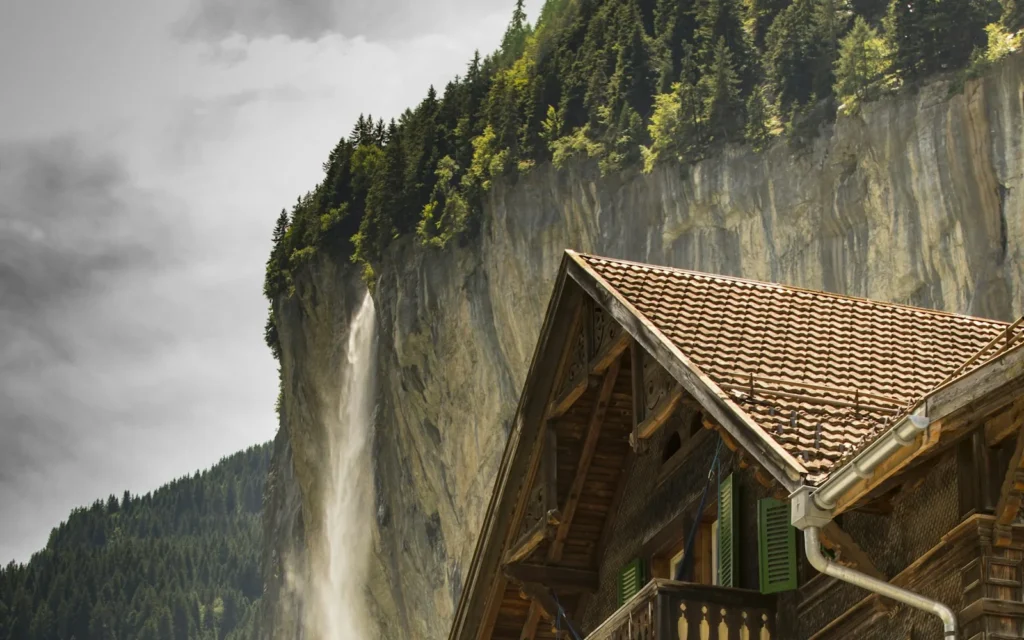
Seventy-two waterfalls between sheer cliffs: Staubbach’s 300m ribbon and the thundering Trummelbach falls inside the mountain. Arguably Europe’s most beautiful valley walk, and flat the whole way.
6. The lakeside south
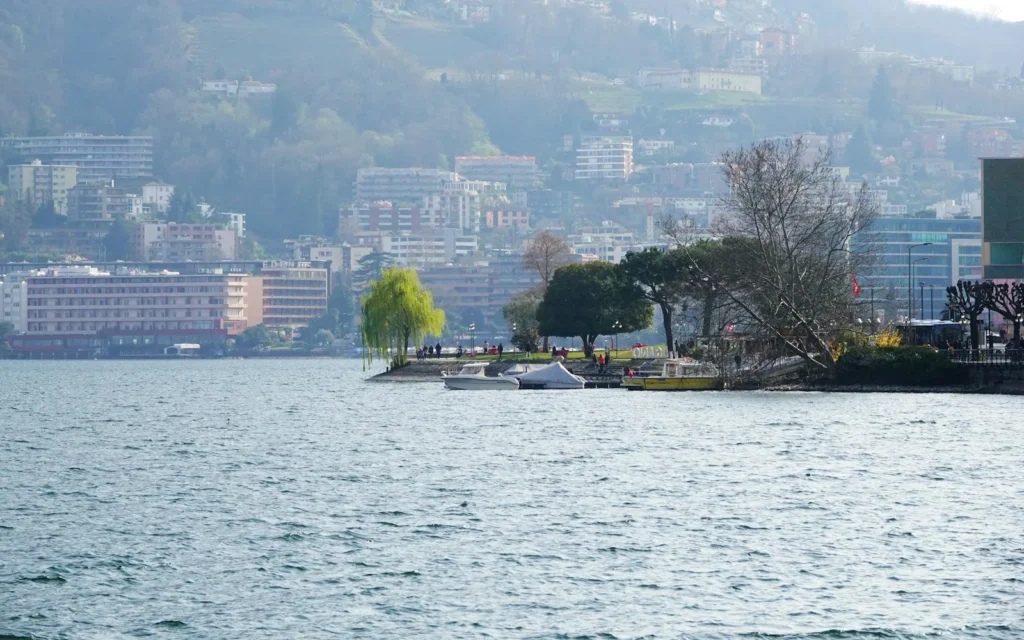
Lausanne and Montreux’s vineyard terraces (walk Lavaux at golden hour), Chillon castle on the water, and Lugano’s Italian-flavoured piazzas: Switzerland’s mellow second act.
7. Winter, obviously

From St. Moritz glamour to Grindelwald sledding (the 15km Big Pintenfritz run is a bucket-list item), Swiss winter is the standard everyone else measures against.
Making Switzerland affordable
The Swiss Travel Pass or Half-Fare Card pays for itself fast, supermarket terraces beat restaurant lunches, and June or September deliver the postcard with fewer people in it. Weather moves fast: keep summit days flexible.
What it actually costs, and which pass to buy
Switzerland punishes vague planning, so price the trip before you commit. The Jungfraujoch is the headline excursion and the headline expense: a return from Interlaken is about CHF 261.60 per adult in peak season (May to October). That single number should decide your transport card. The Swiss Half Fare Card is CHF 150 for a month and halves nearly everything you buy, which drops that Jungfraujoch return to roughly CHF 130.60. A 3-day Swiss Travel Pass starts around CHF 254 and only brings the same trip to about CHF 179.60, because high mountain railways are discounted, not free.
The rule of thumb: if you’re moving between towns four or more days, the Travel Pass wins; for a slower base-and-day-trip itinerary, the Half Fare Card almost always costs less. On food, sit-down cheese fondue runs CHF 25-40 a head in tourist spots, so the supermarket-terrace lunch you’ve heard about isn’t stinginess, it’s how locals afford to eat out at dinner. Build the pass cost into the trip total, not as an afterthought.
Planning the trip? Start with best time to visit Switzerland.
You Might Also Love



Written by
John Morrison is the founder and lead travel writer at Packzup. Over the past decade he has explored destinations across Africa, the Americas, Asia, Europe, the Middle East, and Oceania — always self-funded, never on a press trip.
