- Best time to visit the Faroe Islands: at a glance
- Best Time to Visit Faroe Islands: Month-by-Month Guide
- Best Months to Visit Faroe Islands
- Faroe Islands Travel Seasons at a Glance
- Festivals & Events in Faroe Islands
- When to Visit by Travel Goal
- What to Avoid
- Booking Tips
- The Real Sweet Spot: Why Late August Beats Peak July
- Frequently Asked Questions
- Related Faroe Islands Travel Guides
Best time to visit the Faroe Islands: at a glance
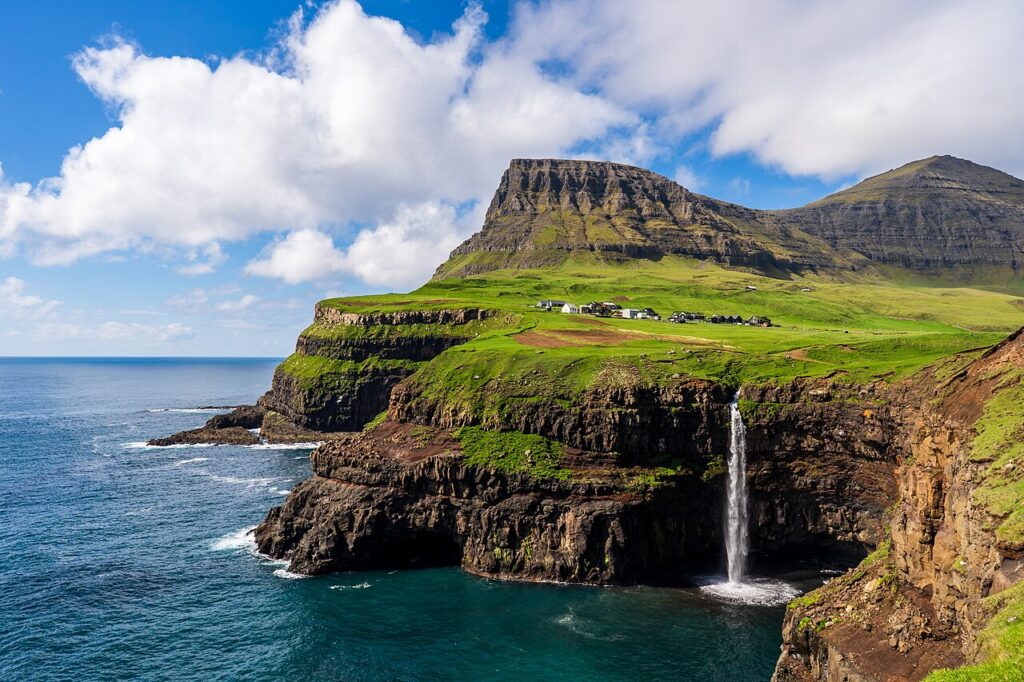
Short answer: May to August for the mildest weather and long daylight.
| Season | Months | What to expect |
|---|---|---|
| Peak | Jun–Aug | Mildest, long days, all tours run; busiest |
| Shoulder (best value) | May, Sep | Cooler, dramatic, fewer visitors |
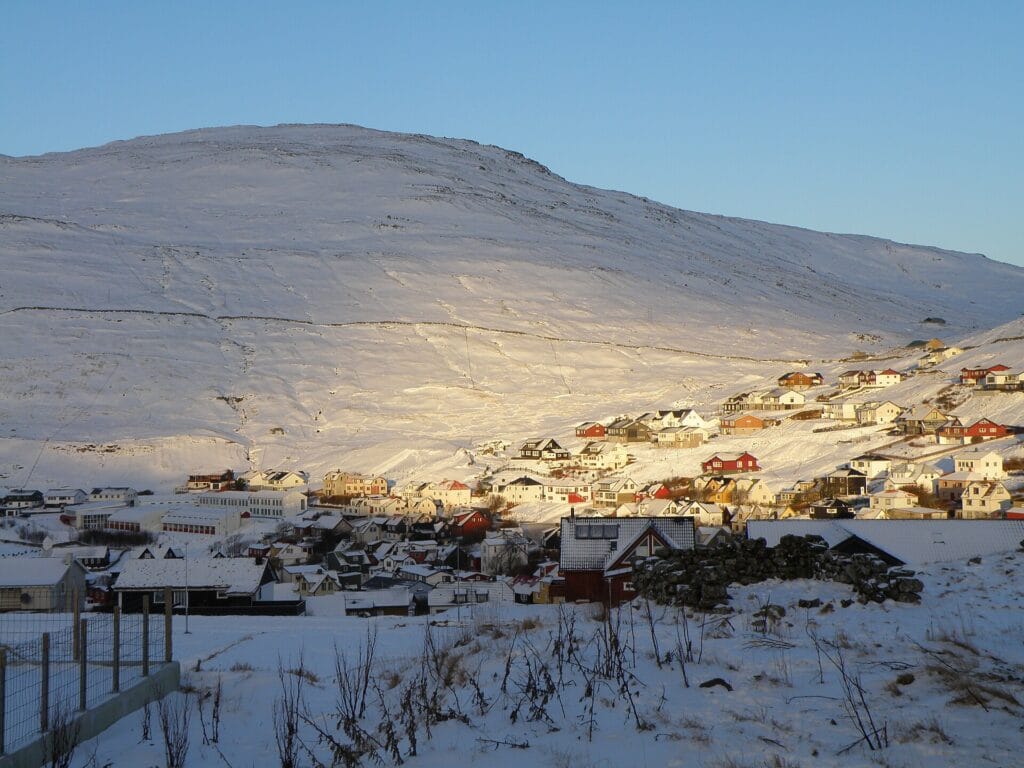
| Low | Oct–Apr | Wild, dark, stormy |
Best Time to Visit Faroe Islands: Month-by-Month Guide
Quick take: When should you actually go to Faroe Islands? Below: the honest month-by-month guide — not the watered-down tourism-board version.
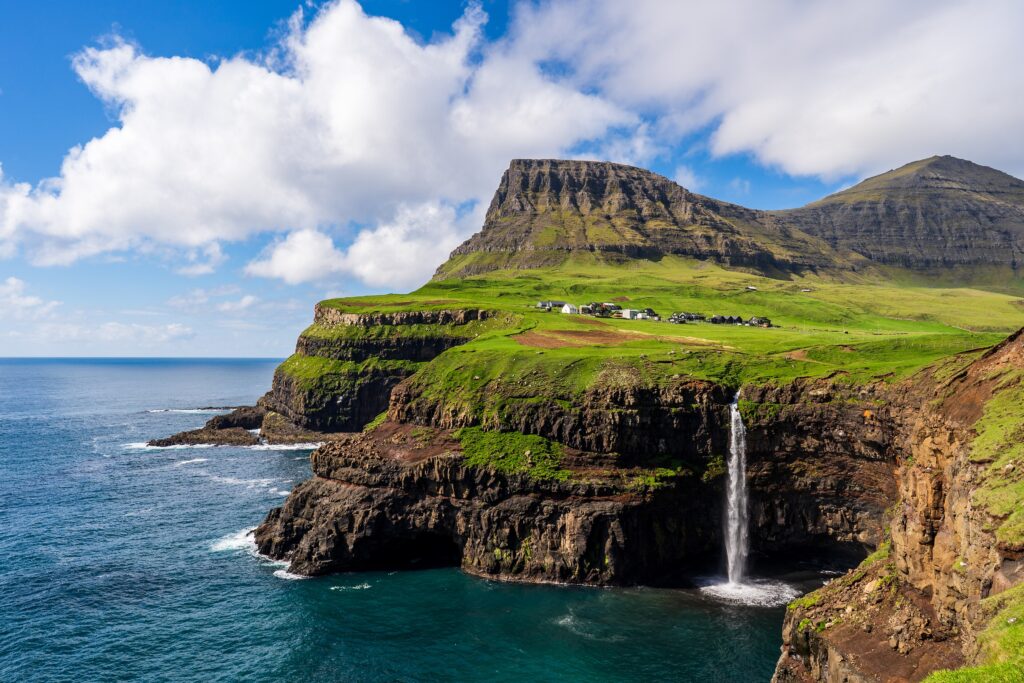
Peak: summer (June-August) · Off-season: winter (December-February)
Knowing the best time to visit Faroe Islands can transform your trip — saving you hundreds on flights and hotels while putting you in better weather with fewer crowds. This guide breaks down each season, key events, and what to expect month by month so you can pick the right travel dates.
Best Months to Visit Faroe Islands
Top pick: shoulder seasons (typically April-May and September-October). You get the best balance of weather, crowds, and price. Hotels and flights typically run 15-30% below peak season, the weather is comfortable, and major attractions are open without the high-summer chaos.
Faroe Islands Travel Seasons at a Glance
| Season | Months | What to Expect |
|---|---|---|
| Peak | summer (June-August) | Best weather (for that region), highest prices, biggest crowds. Book hotels 3-6 months ahead. |
| Shoulder | shoulder seasons (typically April-May and September-October) | Sweet spot: good weather, moderate crowds, 15-30% lower prices than peak. |
| Off-season | winter (December-February) | Cheapest, quietest. Some sights may be closed. Best for budget travelers and shoulder-month flexibility. |
Festivals & Events in Faroe Islands
If you’re planning around a specific event, book early — major festivals spike hotel prices 50-200% and sell out 3-6 months ahead.
- Ólavsøka (late Jul)
- G! Festival (mid-to-late Jul)
- Summarfestivalurin (early Aug)
- Summartónar (Jun-Aug)
When to Visit by Travel Goal
- Best weather: Visit during shoulder seasons (typically April-May and September-October). Comfortable temperatures, low rainfall, manageable crowds.
- Lowest prices: winter (December-February). Hotels and flights cut 30-50%. Trade weather for savings.
- Fewest crowds: Just outside peak season — first 2 weeks before peak begins or last 2 weeks after peak ends.
- Festivals & culture: See the events list above. Book 3-6 months ahead for major dates.
- Outdoor activities: Avoid peak rain/hurricane months. shoulder seasons (typically April-May and September-October) is generally optimal.
- Budget travelers: Mid-week flights in off-season offer the best deals. Set Google Flights alerts 6-8 weeks ahead.
What to Avoid
- Peak crowds: summer (June-August) brings 2-3x the visitors. Major sites require ticket reservations weeks ahead.
- Major holidays: Local school holidays and religious festivals drive domestic travel surges — popular spots fill up.
- Closures: Some sights and restaurants close during deep off-season. Verify business hours before booking.
Booking Tips
- Book flights 8-12 weeks ahead for peak season; 4-6 weeks for off-season usually works.
- Set Google Flights price alerts for your target dates.
- Watch shoulder weeks: the week just before/after peak season often has near-peak weather at 30% lower prices.
- Check local school holidays — these spike domestic travel and crowd major sites.
- Travel insurance is wise for any peak-season trip given high prices and harder-to-rebook flights.
The Real Sweet Spot: Why Late August Beats Peak July
The guide above is right that June through August is peak, but the smarter booking is the narrow window where summer access overlaps with falling prices. Here is the calendar that actually matters. The Mykines ferry, your only realistic shot at the puffin colony, runs strictly from May 1 to August 31 and then the island shuts. Puffin numbers peak in July, so if seabirds are the reason you are going, the shoulder months do not exist for you.
July delivers the warmth (highs around 12C, roughly 54F, in Torshavn) and close to 18 hours of usable daylight, but it also stacks the crowds around two fixed events: the G! Festival at Syorugota on July 16 to 18 in 2026, and Olavsoka, the national holiday, on July 28 to 29 in Torshavn. Both spike accommodation hard.
The sweet spot is the first three weeks of September. You keep daylight near 14 hours easing toward 11.5, highs hold around 11C (about 52F), and the post-Olavsoka drop in visitors arrives without a matching drop in conditions. May is the cheaper gamble: ferries open, but seas are roughest early and Mykines crossings are routinely cancelled.
- Avoid October to March: storms peak, ferries and buses are disrupted, and December gives barely 6 hours of light.
Frequently Asked Questions
What is the best month to visit Faroe Islands?
The single best time to visit Faroe Islands depends on your priorities. For ideal weather plus reasonable crowds, target shoulder seasons (typically April-May and September-October). Peak season is summer (June-August) (busiest, highest prices). Off-season is winter (December-February) (cheapest, least crowded — but check what’s open).
What’s the cheapest time to visit Faroe Islands?
The cheapest time to visit Faroe Islands is during the off-season: winter (December-February). Flights and hotels drop 30-50%. Trade-offs: some sights/restaurants may close, weather may be less favorable, fewer events.
When should I avoid Faroe Islands?
Avoid Faroe Islands during peak season (summer (June-August)) if you want fewer crowds and lower prices. Also consider local school holidays (when domestic travel surges) and weather extremes (varies by region during peak heat).
What is the weather like in Faroe Islands?
Check regional climate maps for the specific area you plan to visit. Summer highs and winter lows vary by altitude, coast vs. inland, and exact location within Faroe Islands. Always check the specific city forecast a week before departure.
Are there major festivals in Faroe Islands?
Yes — Faroe Islands hosts notable events including: Ólavsøka (late Jul), G! Festival (mid-to-late Jul), Summarfestivalurin (early Aug), Summartónar (Jun-Aug). Major festivals can spike hotel prices 50-200% — book 3-6 months ahead if attending.
What should I pack for Faroe Islands?
Pack for the season you’re visiting and the climate zone. Summer in Faroe Islands: lightweight breathable clothes, sunscreen, hat, comfortable walking shoes. Winter: layers, waterproof jacket, warm accessories. Check the 10-day forecast 1-2 weeks before departure and adjust.
Related Faroe Islands Travel Guides
- Best Things to Do in Faroe Islands
- Where to Stay in Faroe Islands
- Best Food in Faroe Islands
- How Much Does a Trip to Faroe Islands Cost?
- Faroe Islands Itinerary Guide