
Last updated September 1, 2026 · Editorial policy
Quick take: Nicaragua — But timing matters more than most guides admit. Here’s the real breakdown by month, based on weather data, crowd patterns, and local festivals. Dry season (December-April) gives Nicaragua at its most comfortable — clear surf at San Juan del Sur, dry hiking in Ometepe, comfortable Granada exploration. Late November through early February is peak.
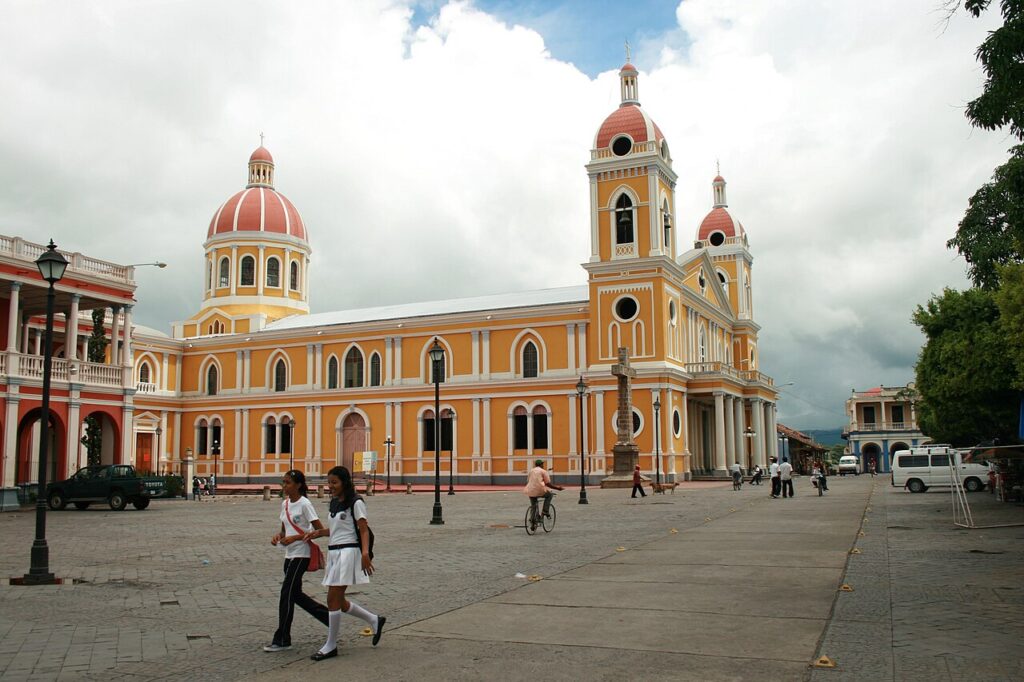
Nicaragua is Central America’s most underrated country — Granada’s pastel colonial architecture rivals Antigua Guatemala, Ometepe’s volcano-island setup is unique in the world, and the surfing on the Pacific Coast is genuinely world-class. Climate is straightforward tropical with a clear wet/dry split. Here is when to go.
Best time to visit Nicaragua: at a glance
Short answer: November to April — the dry season.
| Season | Months | What to expect |
|---|---|---|
| Peak | Dec–Apr | Dry season, sunny; busiest |
| Shoulder (best value) | May, Nov | Edge of the dry season, fewer crowds |
| Low | Jun–Oct | Green/wet season; cheapest |
Best months to visit Nicaragua
Dry season (December-April) gives Nicaragua at its most comfortable — clear surf at San Juan del Sur, dry hiking in Ometepe, comfortable Granada exploration. Late November through early February is peak.
Month-by-month overview
When to avoid Nicaragua
September-October is hurricane peak. Pacific Coast surf is bigger but rougher (good if you’re advanced). May-October sees afternoon downpours.
Key events and festivals
- La Purisima (December 7-8): Nicaragua’s most important religious festival; nine nights of singing and processions for the Virgin Mary.
- Hipica de Granada (Late August): Equestrian parade through Granada streets — colonial style at full display.
- Independence Day (September 15): Celebrated alongside Honduras and Guatemala — parades, music.
- La Procesión de San Sebastián (Late January, León): Vivid colonial-era religious procession.
A local planning note
If you want Nicaragua at its absolute best, target the second half of January. Christmas crowds are gone, La Purisima just ended (festive vibe lingers), the surf in San Juan del Sur is at its cleanest, AND Granada hotel prices have dropped 30% from December peak. Granada + Ometepe + San Juan del Sur in 10 days for under US$1000 is genuinely achievable.
The Two Windows the Calendar Hides: La Canicula and the Turtle Trade-Off
Treating the May-to-October rains as one wet blob misses the country’s smartest pockets of timing. Two of them sit inside the period most guides wave you past.
The first is la canicula, known locally as the veranillo de San Juan: a mini-dry spell that usually settles over the Pacific slope from about mid-July into mid-August, running roughly two to four weeks of reduced afternoon rain. It is not guaranteed and not bone-dry, but when it lands you get beach weather at rainy-season room rates around San Juan del Sur and Granada. The second window is the one the calendar tells you to skip. The olive ridley arribadas at the La Flor reserve, about 22 km south of San Juan del Sur, run July through January and peak in September and October, when thousands of turtles haul ashore to nest, mostly between roughly 9pm and 2am. Those are the wettest, cheapest months, so you trade rain for one of the Pacific coast’s rarest sights.
The period to plan around is not the rain at all. It is Semana Santa in mid-April, the hottest stretch of the year, when Nicaraguans flood the coast, hotels book out months ahead, and Granada stages its aquatic Stations of the Cross across the Las Isletas islets.
Frequently asked questions
Is Nicaragua safe to visit?
Yes — tourist areas (Granada, Ometepe, San Juan del Sur, León) are safe and well-monitored. Check current political situation before booking; Nicaragua has had periods of unrest.
How much does a week in Nicaragua cost?
Backpacker: US$300-500. Mid-range: US$1000-1500. Luxury: US$3500+. Nicaragua is one of Central America’s cheapest countries.
When is the best time for surfing in Nicaragua?
April-October for biggest waves (rainy but consistent). November-March for cleaner, smaller, more learner-friendly waves. San Juan del Sur and Popoyo are the top spots.
Should I visit Granada or León?
Granada is more touristy and visually striking (yellow cathedral, colonial buildings on Lake Nicaragua). León is more authentic with revolution history and Sandinista murals. Both worth seeing — 90 minutes apart.
What about Ometepe Island?
Two volcanoes joined by a narrow isthmus, in the middle of Lake Nicaragua. Hiking, beaches, organic farms. Ferry from San Jorge (90 min). Stay 2-3 nights.
Plan your Nicaragua trip
Climate data source: monthly temperature and rainfall figures on this page come from Open-Meteo’s Historical Weather API, which serves the ECMWF ERA5 reanalysis (Copernicus Climate Change Service). Five-year averages, 2019–2023. See our data methodology.
Want the underlying numbers? Our monthly climate dataset has Nicaragua month by month from ECMWF ERA5 (2019–2023): warmest in April (31.2°C average high), wettest in November (354 mm), driest in April (70 mm). Free CSV and JSON.
You Might Also Love

Written by
John Morrison is the founder and lead travel writer at Packzup. Over the past decade he has explored destinations across Africa, the Americas, Asia, Europe, the Middle East, and Oceania — always self-funded, never on a press trip.
