
Last updated September 8, 2026 · Editorial policy
Quick take: South America — The sweet spot is December-March. But timing matters more than most guides admit. Here’s the real breakdown by month, based on weather data, crowd patterns, and local festivals. Southern Hemisphere summer; nearly all destinations workable. Specific dates vary widely by country — see the table below for each destination.
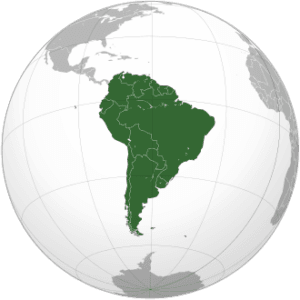
South America runs on Southern Hemisphere seasons (flipped from Europe/USA) and packs extraordinary diversity into one continent — Patagonia trekking, Amazon rainforest, Andean altitude cities, Brazilian Carnival, Galápagos wildlife. Here is a country-by-country breakdown for the 11 most-travelled South American destinations.
Best time to visit South America: at a glance
Short answer: It varies by region — May–September for the Andes, December–March for the south.
| Season | Months | What to expect |
|---|---|---|
| Peak | Dec–Feb | Southern-hemisphere summer (Patagonia, beaches) |
| Shoulder (best value) | Sep–Nov, Mar–Apr | Mild, fewer crowds across much of the continent |
| Low | Jun–Aug | Andean dry season (great for Peru/Bolivia), cool south |
Best time to visit South America — country by country
Below: 25+ years of travel experience condensed into one table. Each link goes to the full country guide.
Best months by trip type
- All: December-March — Southern Hemisphere summer; nearly all destinations workable
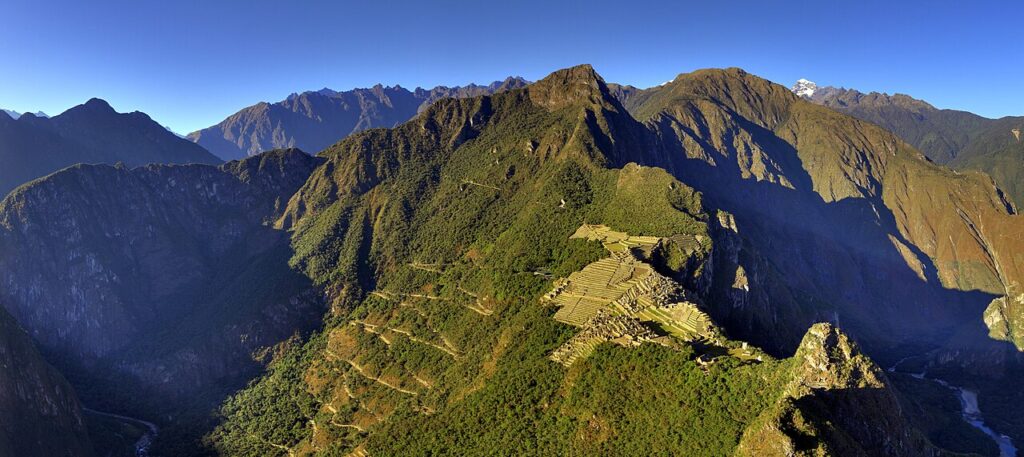
- Andes: May-September — dry season for Cusco, Machu Picchu, La Paz
- Patagonia: December-March — only realistic window for trekking
- Amazon: June-September — drier (still wet) with easier trail access
Tips for choosing your South America destination
- Patagonia is genuinely hard to access outside December-March — many roads close, lodges shutter.
- Inca Trail permits sell out 6 months ahead for peak season; book early.
- Brazilian Carnival (late February/early March) sees prices triple in Rio and Salvador.
- Altitude in Cusco (3,400m), La Paz (3,600m), Quito (2,850m) affects most first-time visitors; acclimatize 1-2 days before activities.
The Shoulder-Season Sweet Spot: Why March in Patagonia Beats January
The headline answer is December to February, but that window quietly works against you in the far south. January is both the busiest and the windiest month in Torres del Paine, where gusts on exposed ridges run to around 110 km/h and W Trek campsites book out months ahead. If your trip centres on Patagonia, the smarter play is the autumn shoulder of March and April.
By March the crowds have thinned and the wind eases, leaving lake surfaces calm enough to mirror the granite towers. Daytime temperatures sit around 5-10C, dropping to roughly 2-7C through April as the lenga and nire forests turn gold and fire-red across the slopes. The trade-off in April is wetter, shorter days, so book flexible weather buffers.
At the other end, November is the last spring shoulder month: highs near 15C, daylight stretching past 15 hours, and prices well below the December-January peak.
- Best value and calm: March, plus November
- Fullest fall colour, quietest trails: early April
- Period to skip in the south: January, for peak wind and peak crowds together
Frequently asked questions
When is the best time to hike the Inca Trail?
May-September (dry season). May has fewer tourists than peak June-August. Avoid February (closed for maintenance) and rainy December-March.
When is Carnival in Brazil?
Friday before Ash Wednesday (40 days before Easter). 4-5 days of festivities in Rio, Salvador, Recife. Book hotels 6+ months ahead at premium rates.
When is the best time for the Amazon?
July-September for drier weather and easier trail access. The Amazon is always humid; expect 27-32°C year-round.
When is the Galapagos at its best?
June-November for cooler weather, peak marine wildlife. January-May for greener islands, warmer water, calm seas for snorkeling.
Can I see penguins in South America?
Yes — Magellanic penguins at Punta Tombo (Argentina) September-March. Galapagos penguins year-round.
Plan your South America trip
You Might Also Love

Written by
John Morrison is the founder and lead travel writer at Packzup. Over the past decade he has explored destinations across Africa, the Americas, Asia, Europe, the Middle East, and Oceania — always self-funded, never on a press trip.
