
Last updated September 11, 2026 · Editorial policy
Quick answer: Europe on a budget is alive and well — head east and south. These cities deliver the continent’s best mix of culture, food and beauty at €40–70 a day, hostels and local meals included.
1. Kraków, Poland
A perfectly preserved old town, the free-to-wander Kazimierz quarter, and pierogi or obwarzanek for pocket change. Museums are cheap, beer is cheaper, and day trips (Wieliczka Salt Mine, Auschwitz memorial) run frequently. Easily Europe’s best city value at around €40–50 a day.
2. Budapest, Hungary
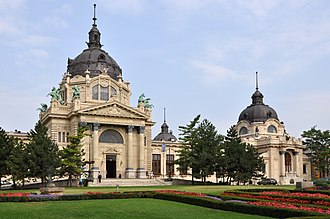
Grand architecture, thermal baths from ~€20, and ruin bars where drinks still cost a fraction of Western Europe. Public transport is excellent and the food scene — from lángos stalls to market halls — is a budget traveler’s dream.
3. Porto, Portugal
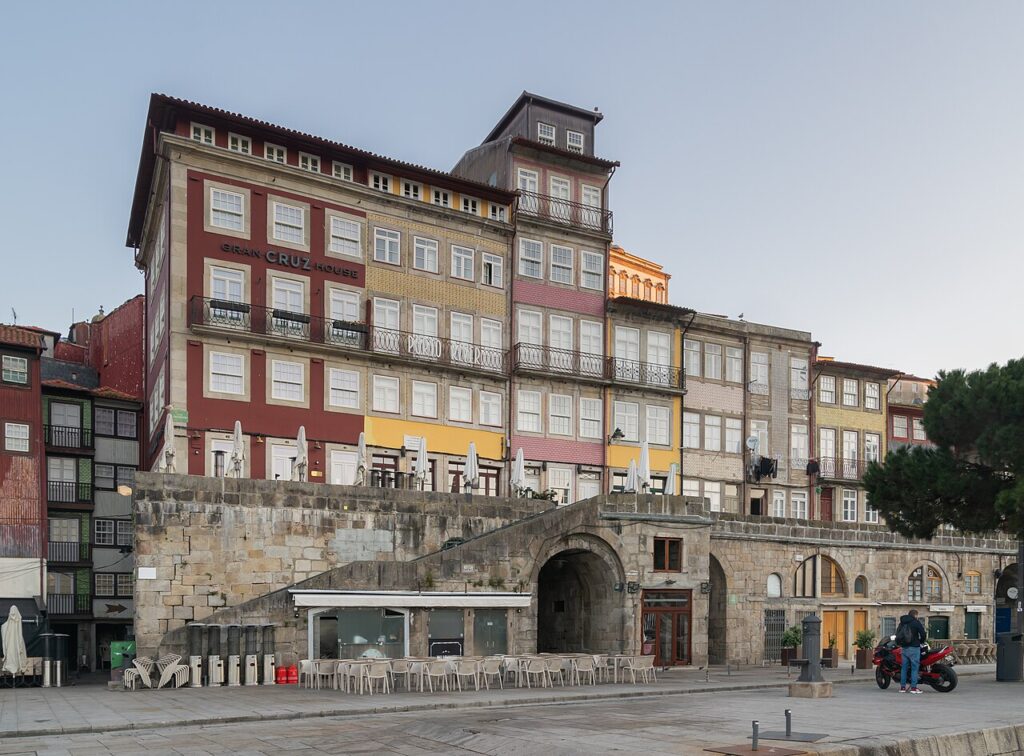
Lisbon’s smaller, cheaper sibling: tiled facades, port-wine lodges with affordable tastings, and the francesinha to fuel a full day of hills. Guesthouses and menus del dia keep daily costs around €55–65.
4. Athens, Greece
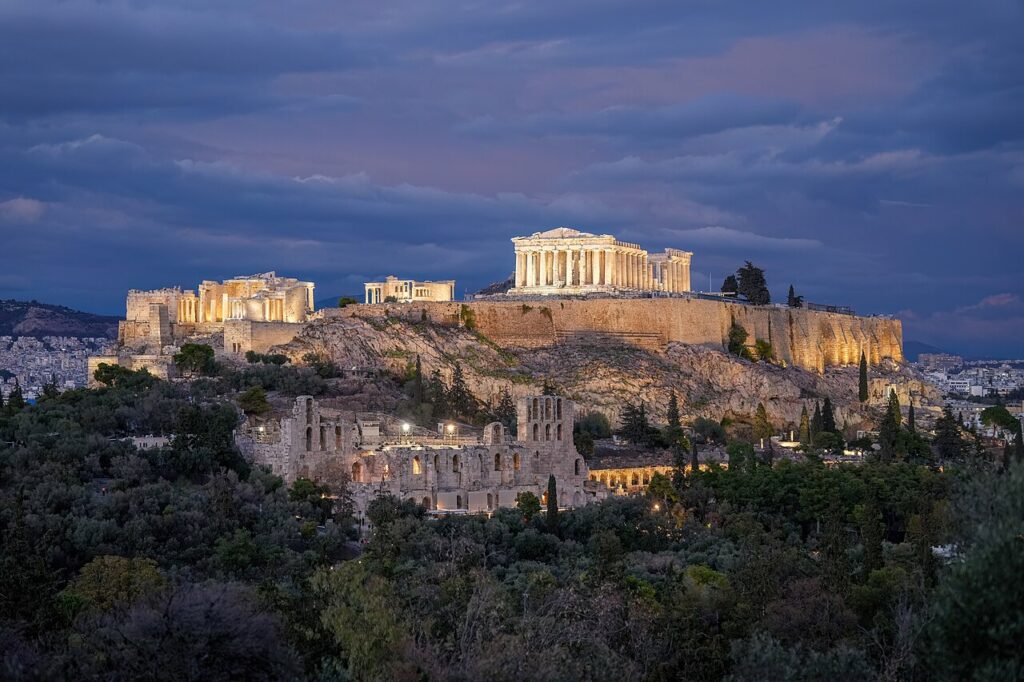
Beyond the Acropolis ticket, Athens is remarkably cheap: souvlaki for a few euros, neighbourhoods like Koukaki and Exarchia full of character, and free viewpoints (Philopappos Hill) facing the Parthenon. Winter visits cut prices further.
5. Seville & Valencia, Spain
Spain’s southern and eastern stars undercut Barcelona dramatically. Tapas culture means eating well for little; Valencia adds city beaches and the futuristic City of Arts. Both are walkable, sunny and ~€55–70 a day.
6. Tirana & the Albanian Riviera
Albania remains Europe’s biggest bargain: €35–45 a day for guesthouses, grilled seafood and beaches (Ksamil, Dhërmi) that rival Greece. Buses are cheap if slow; the value is unbeatable.
7. Sarajevo, Bosnia
Layered history, Ottoman bazaars, éevapi for a couple of euros and dramatic mountain surroundings. One of Europe’s most fascinating and least expensive capitals.
8. Vilnius & Riga, the Baltics
Cobbled old towns, art-nouveau streets and lively cafe scenes at eastern prices. Both fly cheaply from across Europe and pair well as a two-city trip.
9. Sofia, Bulgaria
One of the cheapest capitals in the European Union, with a compact centre you can cross on foot, Roman ruins exposed under the metro station, and Vitosha mountain close enough to reach on public transport for a day on the trails.
10. Belgrade, Serbia
Outside the euro and outside the EU, which shows in every bill. The Kalemegdan fortress sits above the meeting of the Sava and the Danube, the splavovi river-barge bars run late, and the food is generous and cheap almost everywhere.
11. Bucharest, Romania
Wildly uneven architecture, from Belle Epoque streets to the enormous Palace of the Parliament, and a cost of living that stays low despite the city growing fast. Good rail links make Brasov and the Carpathians an easy add.
12. Naples, Italy
The cheapest of the major Italian cities and the one with the strongest food argument. Pizza is a fast, inexpensive meal here rather than an occasion, the archaeological museum holds the finds from Pompeii, and both Pompeii and the Amalfi Coast are commutable.
13. Skopje, North Macedonia
Small, walkable and inexpensive, with an Ottoman old bazaar on one bank and a much-debated programme of monumental statuary on the other. Matka Canyon, a short drive out, is the reason to stay an extra day.
14. Kotor, Montenegro
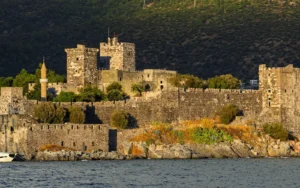
A walled town at the head of a deep bay, with a fortification wall climbing the slope behind it. Prices climb in July and August with the cruise traffic, but shoulder season is markedly cheaper than the Croatian coast an hour north.
15. Istanbul, Turkey
Straddling two continents and still one of the best-value big cities within reach of Europe. Hagia Sophia, the Blue Mosque and the Basilica Cistern sit within one walkable district, ferries across the Bosphorus cost little, and street food is excellent.
Keep it cheap anywhere
Travel in shoulder season, sleep slightly outside the old town, eat your big meal at lunch (menu of the day), and use buses or budget rail booked early. €50 a day goes further in Europe than most people think.
The tourist tax nobody warns you about (and how to dodge it)
The line item that quietly wrecks a careful budget in 2026 isn’t your room rate, it’s the city tax stacked on top of it. Venice now runs a day-tripper access fee of €5 (about $5.40) if you register at least four days ahead on the Venezia Unica site, doubling to €10 if you turn up without it. It applies on roughly 60 peak days between April and late July, mostly Fridays to Sundays. Amsterdam is worse for overnighters: a 12.5% accommodation levy on the room price, separate from VAT, so a €90 room quietly becomes over €100. Barcelona has approved municipal surcharges that could push its per-night tax to €15 (around $16) in 2026.
The swap is simple. The genuinely cheap cities on this list barely tax you. Kraków, Tirana, and Sarajevo charge little to nothing per night, so your money goes to pierogi and not paperwork. A few honest tactics that still work:
- Register Venice’s fee online the moment you book, never at the gate.
- Ask hosts whether the tax is included or added at checkout, because cheap booking sites often hide it.
- Skip the headline-tax cities at peak season and spend those days in the Balkans or Poland instead.
You Might Also Love



Written by
John Morrison is the founder and lead travel writer at Packzup. Over the past decade he has explored destinations across Africa, the Americas, Asia, Europe, the Middle East, and Oceania — always self-funded, never on a press trip.
Working out the money? Check whether your destination is a cash or card country, how much to bring, and how to dodge ATM fees and the DCC trap.
