
Last updated September 10, 2026 · Editorial policy
Quick answer: Over 30 countries now offer a digital nomad visa — including Portugal, Spain, Estonia, Thailand and Indonesia (Bali) — letting remote workers stay legally for 6–12+ months.
Remote work abroad is now mainstream, and dozens of countries have created dedicated visas for it. Here are the best digital-nomad visas in 2026 (always confirm current rules officially).
Top digital-nomad visa countries
Portugal
Best months: Jun–Aug · 18–28°C days · dry (climate data)
The popular D8 nomad visa — sunny, affordable, great community.
Spain
Best months: Apr–Jun · 12–25°C days · some rain (climate data)
Digital nomad visa with a low tax option for new arrivals.
Estonia
The original e-residency pioneer’s nomad visa, up to a year.
Greece
Best months: Sep–Nov · 15–24°C days · dry (climate data)
Nomad visa plus island life and a tax incentive.
Croatia
Best months: Sep–Nov · 14–22°C days · some rain (climate data)
A simple nomad residence permit on the Adriatic.
Italy
Best months: Apr–Jun · 13–23°C days · rainy (climate data)
A digital nomad visa for skilled remote workers.
Thailand
Best months: Nov–Jan · 22–31°C days · dry (climate data)
The 5-year DTV visa for remote workers and freelancers.
Indonesia (Bali)
Best months: Jun–Aug · 23–32°C days · some rain (climate data)
Remote-worker visas for the Canggu/Ubud scene.
Malaysia
Best months: Jun–Aug · 24–31°C days · rainy (climate data)
The DE Rantau nomad pass, low cost and good wifi.
UAE (Dubai)
Best months: Dec–Feb · 14–24°C days · dry (climate data)
A one-year remote-work visa with zero income tax.
Costa Rica
Best months: Jan–Mar · 16–26°C days · dry (climate data)
A renewable nomad visa in a Blue Zone.
Mexico
Best months: Dec–Feb · 7–23°C days · dry (climate data)
The temporary resident visa, popular with US nomads.
Brazil
Best months: Jun–Aug · 18–25°C days · dry (climate data)
A one-year digital nomad visa.
Colombia
Best months: Dec–Feb · 15–26°C days · some rain (climate data)
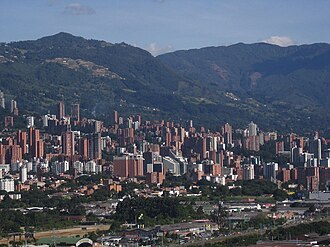
A two-year nomad visa centred on Medellín.
Georgia
Long visa-free stays plus a remote-work program.
How to choose
Pick by time zone, cost and tax: Portugal, Spain and Estonia suit Europe-based work; Mexico, Colombia and Brazil suit US hours; Thailand, Bali and Georgia are the value champions. Always verify current income and document rules with the official source.

What it actually costs each month (real 2026 numbers)
Forget the “$1,000 and you’re living like a king” myth from 2020. Here is what a comfortable solo month genuinely runs in the big visa hubs, all in USD, all current for 2026:
- Chiang Mai, Thailand — $1,200–1,800. A furnished one-bedroom runs $350–700, a coworking membership $80–200, and you can eat at a warung-style spot for $2–4. The cheapest serious base on this list.
- Bali (Canggu/Ubud) — $1,200–2,500. A one-bedroom villa with a pool is 12–18 million IDR in Canggu, cheaper in Ubud (8–14 million). Nasi campur at a local warung is $1–3.
- Mexico City (Roma Norte/Condesa) — $1,300–3,500. The honest figure now: a furnished 1BR in those two neighborhoods is $1,300–2,500. Rents there have jumped 40–60% since the nomad wave hit.
- Lisbon — a city-centre 1BR is €1,200–2,000, utilities €150–250. Still roughly 35–50% cheaper than London or Paris, but no longer cheap.
- Madrid/Barcelona — a solo person needs €1,400–2,000 all-in; add 20–30% for the best central districts (Salamanca, Eixample top €1,500 rent alone).
Wifi reality: Chiang Mai and Bangkok regularly clock 300–600 Mbps, with coworking fiber up to 1 Gbps. Mexico City apartment fiber runs $25–45/month for 200–500 Mbps — common in central buildings but never guaranteed, so always test before signing.
Visa rules, how long you can stay, and where to base yourself
The financial bars vary wildly, and so does how long the stamp actually lets you stay. The big four:
- Thailand DTV — the sleeper deal. It is a 5-year multiple-entry visa with 180-day stays per entry (extendable once on the ground for another 180) and unlimited re-entries, costing roughly 10,000 THB ($280). There is no minimum income test — you just show about 500,000 THB (~$14,000) in savings. The cheapest serious long-stay option anywhere.
- Portugal D8 — €3,680/month income (4× minimum wage) plus ~€11,040 in savings; leads to a renewable residence path toward 5 years.
- Spain DNV — €2,850/month. Apply from inside Spain and you get a 3-year residence permit rather than a one-year visa, plus a 24% flat-tax option.
- Bali E33G (Indonesia) — the steep one: $60,000/year income and $2,000 in the bank. Worth knowing before you book the flight.
Where to actually land: In Mexico City, base in Roma Norte for the highest density of coworking, cafes, and nomad events, or quieter, leafier Condesa next door (Parque México, jacaranda-lined streets). In Bali, Canggu is the social epicentre but pricey and traffic-choked; Ubud, Sanur, or Uluwatu are calmer with solid internet. In Spain, Eixample (Barcelona) and Salamanca (Madrid) are central but command the top rents.
The community, and who this life is NOT for
The community is real and findable. Anchor events worth planning around in 2026: Nomad Summit in Chiang Mai (mid-January), Bansko Nomad Fest in Bulgaria (June 20–30), and Athens Nomad Fest (September). Coworking spaces are the daily glue — places like Dojo Bali and Outpost Ubud run community dinners and yoga, and Roma Norte’s spaces host weekly socials. Nomad List forums stay active for Lisbon, Canggu, and the rest.
But be honest with yourself about the downsides:
- Loneliness is the number-one complaint. Multiple nomad surveys put it among the top struggles, with roughly a quarter to 40% saying they often feel lonely. Visa-capped stays make deep, lasting friendships genuinely hard — you and everyone around you keep leaving.
- You may not be welcome. Lisbon, Barcelona, and Mexico City have all seen anti-tourism backlash aimed squarely at remote workers blamed for driving up rents. In Spain that has spilled into harassment and online abuse; Mexico City saw protest marches in 2025.
- It is not for the location-dependent worker. If your job needs fixed hours on a home timezone, frequent in-person meetings, or rock-solid internet you can’t risk, the constant uncertainty will wear you down fast.
If a stable home base, a settled friend group, or a 9-to-5 in your own timezone matters more to you than novelty, this life will cost you more than it gives.
Related guides
Planning the trip? Start with our Digital Nomad Travel guide.
Gear that earns its place: best VPN for travel · best travel apps.
You Might Also Love





Written by
John Morrison is the founder and lead travel writer at Packzup. Over the past decade he has explored destinations across Africa, the Americas, Asia, Europe, the Middle East, and Oceania — always self-funded, never on a press trip.
Before you go: plan what to wear on your trip and sort your mobile data abroad.
