
Last updated September 11, 2026 · Editorial policy
Quick answer: In 2026 the world’s best travel value lives in South and Southeast Asia, the Caucasus and the Andes — countries where $25–40 a day buys real comfort, not just survival.
1. Vietnam ($25–35/day)
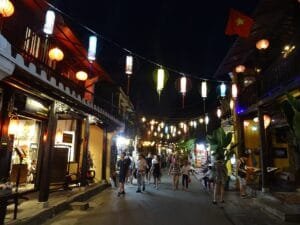
Pho for a dollar, beautiful sleeper trains and guesthouses from $10. From Hanoi’s old quarter to Ha Long Bay and Hoi An, it’s Southeast Asia’s best blend of cost, food and sights.
2. India ($20–35/day)
The subcontinent remains the planet’s deepest travel value: trains across Rajasthan, thalis for pennies, and heritage stays that cost less than a chain hotel breakfast elsewhere. Budget more for comfort where it counts.
3. Nepal ($25–35/day)
Teahouse trekking means the Himalayas on a backpacker budget — rooms and dal bhat included for $25–30 a day on most routes. Kathmandu and Pokhara are cheap, warm-hearted bases.
4. Indonesia ($25–40/day)
Bali gets pricier in hotspots, but Indonesia at large — Java, Flores, Sumatra, the Gilis — stays wonderfully cheap: warung meals, scooter rental and homestays keep daily costs low across 17,000 islands.
5. Georgia ($25–40/day)
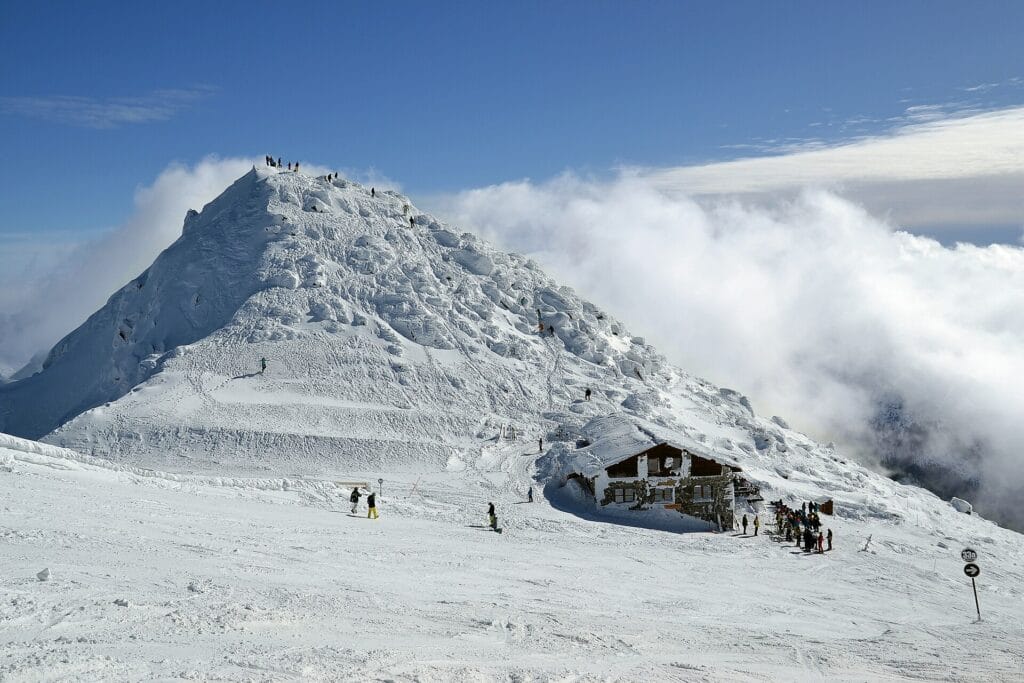
Tbilisi’s cafes, Caucasus hiking from Kazbegi and Svaneti, legendary hospitality and house wine by the jug. Guesthouses with breakfast for $20–30 make it Europe-adjacent travel at Asian prices.
6. Bolivia ($25–35/day)
South America’s bargain: the Uyuni salt flats, La Paz’s markets and Lake Titicaca, with meals and buses costing a fraction of neighbouring countries.
7. Egypt ($25–40/day)
The pyramids, Luxor’s temples and Red Sea diving at prices that dropped further with currency shifts. Sleeper trains and domestic flights are affordable; haggle warmly and budget for entry tickets.
8. Albania ($30–45/day)
Europe’s price floor: riviera beaches, Ottoman towns (Berat, Gjirokastër) and alpine hikes in Theth at half the cost of Greece next door.
9. Sri Lanka ($25–40/day)
Trains through tea country, surf at Weligama, leopards at Yala and curry feasts — compact, scenic and very kind to a budget.
10. Guatemala ($25–35/day)
Antigua’s cobbles, Lake Atitlán’s volcano views and Tikal’s jungle ruins. Chicken buses are nearly free; Spanish lessons here are the cheapest in the Americas.
The honest math
Daily figures assume guesthouses, local food and ground transport. Double them for boutique comfort — still half of what Western Europe costs.
Timing These Trips So the Low Budget Holds Up
A cheap daily rate is easy to wreck by arriving in the wrong month. Rain shuts down the activities you came for, and emergency taxis and reshuffled plans quietly inflate that 25 to 35 dollar day. The fix is reading each country’s season before you book the flight.
- Vietnam splits north and south. The north around Hanoi and Ha Long Bay is best October to April, though December to February can drop into the 50s and 60s Fahrenheit. The south around Ho Chi Minh City runs its dry, comfortable window December to April, with rain from May to November.
- Sri Lanka has two monsoons. The southwest monsoon (May to September) soaks the south and west coasts and Galle, while the northeast monsoon (October to January) hits the east and north. There is almost always a dry coast, so pick the region to match the month rather than canceling the trip.
- Bolivia and the Uyuni salt flats are firmest and clearest May to October, the dry season, but nights can fall to around minus 15 Celsius from June to August; the famous mirror effect needs the January to March rains instead.
The budget mistake travelers make is treating all of South and Southeast Asia as one season. The regional southwest monsoon broadly covers June to September across India, Nepal, and mainland Southeast Asia, so stack destinations that share a dry window rather than zigzagging into the rain.
You Might Also Love



Written by
John Morrison is the founder and lead travel writer at Packzup. Over the past decade he has explored destinations across Africa, the Americas, Asia, Europe, the Middle East, and Oceania — always self-funded, never on a press trip.
Working out the money? Check whether your destination is a cash or card country, how much to bring, and how to dodge ATM fees and the DCC trap.
