Last updated July 26, 2026 · Editorial policy
Quick take: The short answer on Hungary: The longer answer involves weather windows, festival timing, and the difference between ‘technically open’ and ‘actually enjoyable.’ May-June gives Budapest blossoms and the longest daylight; September is the local favourite — warm enough for outdoor dining, harvest season in Eger and Tokaj wine regions, fewer tourists than peak summer.
Hungary — and Budapest in particular — has had a serious moment over the last decade. Thermal baths, ruin pubs, a riverfront that rivals Paris, and prices still meaningfully below Vienna or Prague. The question of when to visit comes down to balancing weather, festival season, and the brutal continental winter. Here is the breakdown.
Best time to visit Hungary: at a glance
Short answer: April–June and September for warm, uncrowded days.
| Season | Months | What to expect |
|---|---|---|
| Peak | Jun–Aug, Dec | Warm festivals or Christmas markets; busiest |
| Shoulder (best value) | Apr–May, Sep–Oct | Mild, pretty, fewer crowds |
| Low | Jan–Mar | Cold; thermal baths shine |
Best months to visit Hungary
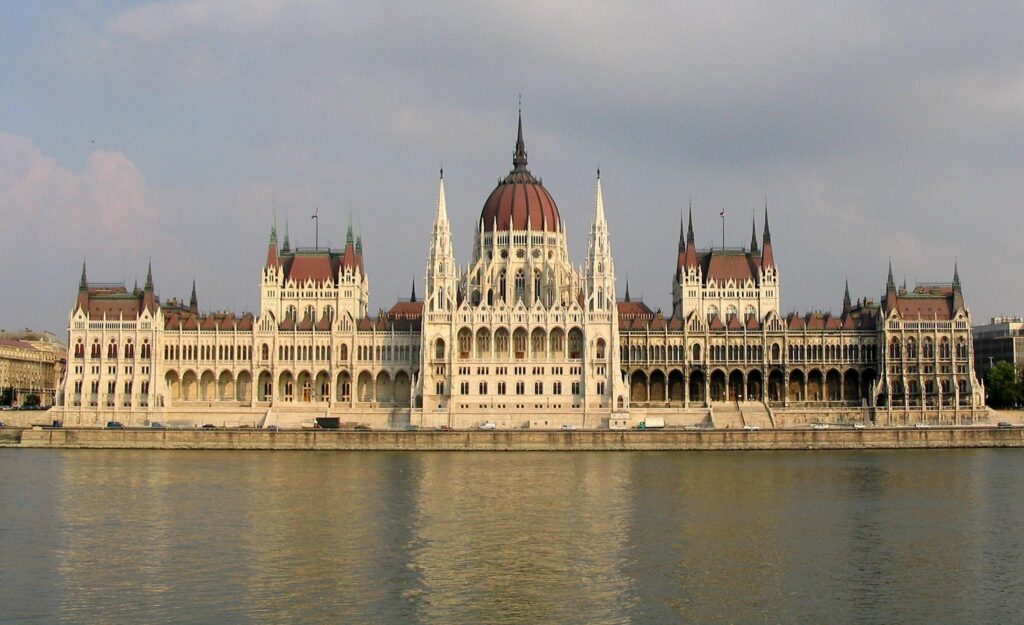
May-June gives Budapest blossoms and the longest daylight; September is the local favourite — warm enough for outdoor dining, harvest season in Eger and Tokaj wine regions, fewer tourists than peak summer.
Month-by-month overview
When to avoid Hungary
November is grim — cold, gray, pre-Christmas-market lull. January-February are cold but the thermal baths (Széchenyi, Gellért) are at their most magical in falling snow.
Key events and festivals
- Budapest Spring Festival (Late March – early April): Two weeks of classical and contemporary music across the city venues.
- Sziget Festival (Mid-August): One of Europe largest music festivals on Óbuda Island; 500+ performers over 6 days.
- Wine Harvest in Eger (Mid-September): Eger Bull Blood (Egri Bikavér) harvest; smaller and more relaxed than Tokaj.
- Christmas Markets (Late November – early January): Vörösmarty Square and St. Stephen Basilica markets; one of Central Europe best.
A local insider tip
Eger, 90 minutes east of Budapest, is the under-appreciated counterpart to Buda Castle. Mid-September is its sweet spot — wine harvest is happening in the Valley of the Beautiful Women, the medieval castle has fewer tourists than Buda, and you can drink Bull Blood from the cellars at the source.

Why Late September Beats Peak Summer (and the One Week to Skip)
If you want a single window, aim for the last two weeks of September rather than the busy May-to-August stretch most guides push you toward. By then Budapest crowds at St. Stephen’s Basilica and Heroes’ Square have thinned, daytime highs sit around a comfortable 20-25C, and Lake Balaton still holds a swimmable water temperature of roughly 20-21C, so you can pair beach days with the Eger wine harvest that runs through mid-September. Shoulder-season rooms at Balaton and in the capital typically run about 20-30 percent below July prices, and you can usually still get walk-up parking in lakeside towns.
The period to actively avoid, unless you have a ticket, is Sziget week in mid-August on Obudai-sziget. The festival pulls in around 400,000 people from over 70 countries, hotel rates spike across central Budapest, and rooms book out fast. August weather works against you too:
- Daytime highs of around 28-35C with humid afternoons
- It is the city’s storm season, so sudden thunderstorms are common
Early April through mid-May is the other smart pick, with cooler 8-18C days and the Budapest Spring Festival, though pack for occasional rain.
Frequently asked questions
When is the cheapest time to visit Hungary?
Mid-January through February (excluding Valentine peak) and early November have the cheapest flights and Budapest hotels — sometimes 50% off summer rates.
Are the thermal baths better in winter?
Yes — Széchenyi outdoor pools steam in snow, the contrast is unforgettable. Locals consider winter the proper bath season.
When is Sziget Festival?
Mid-August each year, on Óbuda Island. Tickets sell out months ahead; book accommodation 6+ months early.
Is Budapest as crowded as Prague?
No — gets noticeably fewer tourists despite arguably being a better city. July-August is busiest but still manageable; September is ideal.
When do Hungarian Christmas markets open?
Late November through early January. The Vörösmarty Square market is the largest; Basilica market is more atmospheric.
Plan your Hungary trip
You Might Also Love


Written by
John Morrison is the founder and lead travel writer at Packzup. Over the past decade he has explored destinations across Africa, the Americas, Asia, Europe, the Middle East, and Oceania — always self-funded, never on a press trip.