
Last updated August 22, 2026 · Editorial policy
Iceland vs Norway: traveler quick facts
Quick facts: Iceland runs about $180-300/day mid-range (Pricey) vs Norway at about $180-300/day (Pricey). Daily costs are broadly similar.
| Traveler factor | Iceland | Norway |
|---|---|---|
| Daily cost (mid-range) | $180-300 (Pricey) | $180-300 (Pricey) |
| Tourist tax | ISK 800 per unit per night (hotels/guesthouses); ISK 400 per unit per night (campsites/mob | Municipal visitor levy up to 3% rolling out from 2026 where approved; not yet nationwide |
| Tipping | Not customary | Optional / appreciated |
| Plug & voltage | C, F | 230V | C, F | 230V |
| Adapter needed from US | Yes | Yes |
Compiled from Packzup's Travel Cost Index, Tourist Tax Index, Tipping Index and Power Plug Index — updated 2026. Costs are per person, mid-range, excluding flights.
Quick verdict: Both deliver Northern Lights, fjords, dramatic coastlines, and bucket-list landscapes. Both are wildly expensive. Both demand a rental car or organized tour. But the texture is different. Iceland is otherworldly volcanic + smaller and easier to circle. Norway is bigger, mountainous, more village-charm, harder logistics. Here’s how to choose.
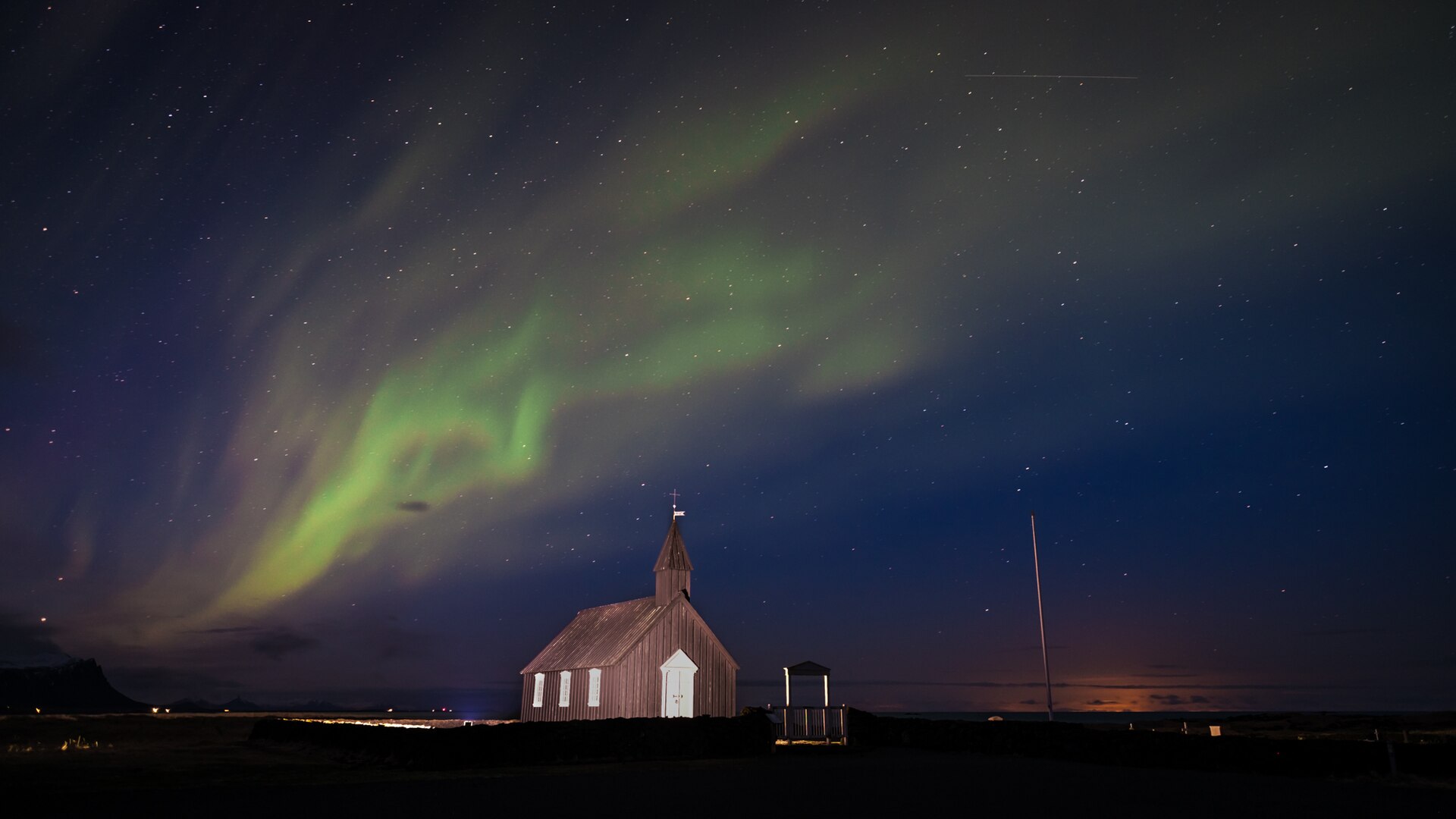
Iceland
Best time: Jun-Aug (mid-night sun), Sep-Mar (aurora)
Daily cost: $180-280/day
Norway
Best time: Jun-Aug (fjords), Sep-Mar (aurora)
Daily cost: $200-320/day
When to go: Iceland vs Norway
Measured, not guessed — five years of ERA5 reanalysis (2019–2023). Months are ranked by how close the average high sits to 25°C, penalised by wet days.
Iceland
- Best month
- July
- Then expect
- 13.3°C · 14 wet days
- Next best
- August, June
- Wettest month
- September (19 wet days)
Norway
- Best month
- June
- Then expect
- 22.1°C · 11 wet days
- Next best
- August, July
- Wettest month
- October (15 wet days)
- Different windows — Iceland peaks in July, Norway in June. If your dates are fixed, that is the deciding factor.
- Norway is the drier bet at its peak — 11 wet days vs 14.
- Biggest split is June — Norway is 10.8°C warmer that month.
Source: ERA5 reanalysis (2019–2023) via Open-Meteo, CC BY 4.0 — Packzup Travel Climate Dataset (open data).
Iceland vs Norway at a glance
| Iceland | Norway | |
|---|---|---|
| Best for | Compact volcanic nature, geothermal | Fjords, hiking, vastness |
| Vibe | Stark, small, otherworldly | Grand, alpine-coastal |
| Daily budget (mid-range) | $150–250 | $150–250 |
| Best time | Jun–Aug; auroras Sep–Mar | Jun–Aug; auroras Sep–Mar |
| Don’t miss | Ring Road, Blue Lagoon, glaciers | Geirangerfjord, Lofoten, Bergen |
| The catch | Crowds at hotspots | Vast distances; pricier |
How Iceland and Norway compare on what matters
Landscapes
Northern Lights
Ease of Travel
Crowds
Hiking
Cost
Iceland or Norway: the honest verdict
Helpful Packzup guides
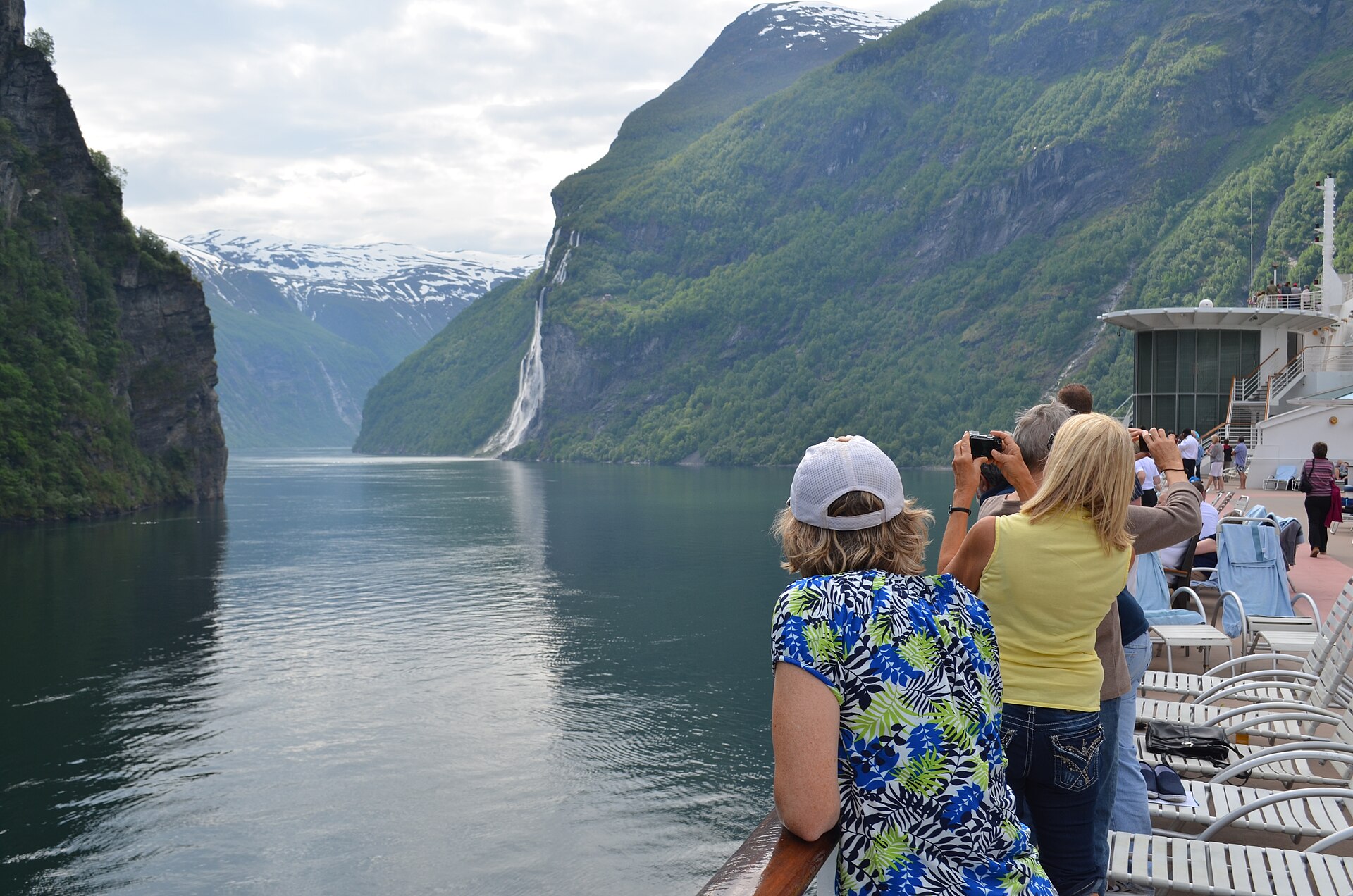
The deciding factor: aurora odds vs. a no-flights road trip
If catching the Northern Lights is the whole reason for the trip, book Norway. Tromso sits at 69 degrees north, deep inside the aurora oval, so the sky lights up even on a quiet KP 2 night, and northern Norway logs roughly 80 percent clear nights in winter against about 60 percent around Reykjavik. With the 2025-2026 solar maximum firing off KP 4 to 6 events several times a month, those clearer skies are the difference between a guaranteed show and a week of cloud. Choose Iceland if you want the whole country handed to you without a single internal flight. The 1,332 km (828-mile) Ring Road loops past Seljalandsfoss, Jokulsarlon glacier lagoon, and the geothermal fields in 7 to 9 days of straightforward driving, and the aurora is a bonus rather than the plan.
The real split is logistics. Norway’s headline sights are scattered: Geirangerfjord means flying into Alesund, and the Lofoten Islands sit a long haul north past Trondheim, so a fjords-plus-Arctic itinerary needs two or three internal hops. Iceland’s payoff is reaching everything from one rental car.
Frequently asked questions
Which is cheaper?
Which has better Northern Lights?
Can I do both Iceland and Norway in one trip?
Which is better in summer?
Which is better for families?
Some links on Packzup are affiliate links. We may earn a small commission at no extra cost to you. We only recommend partners we trust.
Which is better for your trip, Iceland or Norway?
For families
Verdict: Iceland. Shorter driving distances and a base-and-radiate setup around Reykjavik make Iceland far easier with kids, and the Golden Circle delivers geysers, waterfalls, and a crater lake without long hikes. A comparable fjords-plus-north route in Norway often means internal flights and bigger walks, which rewards teens more than toddlers.
For couples & honeymoons
Verdict: Norway. Geirangerfjord cruises, a slow Hurtigruten coastal leg, and cabin stays in the Lofoten Islands feel built for two, and much of Norway stays quieter than Iceland’s busy Golden Circle corridor. Pick Iceland only if your honeymoon window is a week or less and you want the Blue Lagoon plus an easy Golden Circle and south coast loop with no extra flights.
For budget travelers
Verdict: Norway. Neither is cheap, but Iceland regularly tops most-expensive-destination rankings, and mid-range days generally cost more there than in Norway (roughly $200-300 versus $150-250 per person). Alcohol stings in both countries, with a bar pint running about $9-14 in Oslo and Reykjavik alike. Norway’s catch is transport: a fjords-plus-Arctic route usually adds internal flights, so a sprawling itinerary can narrow the gap.
For northern lights chasers
Verdict: Norway. Tromso sits well above the Arctic Circle and is the more reliable aurora base from September to March, with Lofoten as a scenic backup. Iceland can absolutely deliver the lights, but its Atlantic weather is less dependable night to night; if the aurora is the whole point of the trip, book Norway.
Planning the trip? Go deeper with and our Norway Travel guide.
Popular guides: Norway vs Switzerland
You Might Also Love


Written by
John Morrison is the founder and lead travel writer at Packzup. Over the past decade he has explored destinations across Africa, the Americas, Asia, Europe, the Middle East, and Oceania — always self-funded, never on a press trip.
