Skip to content
Slovenia travel guide

Things to Do in Slovenia: 12 Experiences You Can’t Miss

7 min read1,413 wordsUpdated May 2026
Slovenia travel guide

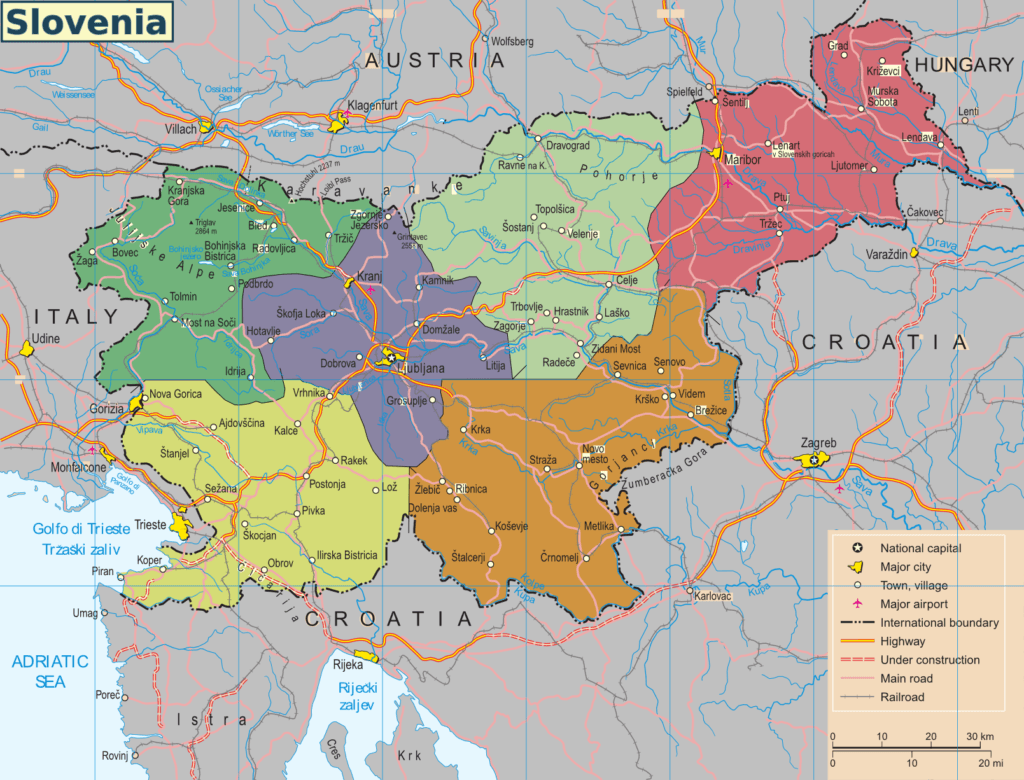
Slovenia is a pocket-sized country that punches absurdly above its weight. In a space smaller than New Jersey, it packs Alpine peaks, a Mediterranean coastline, one of Europe’s largest cave systems, a fairy-tale lake with a church on an island, and a capital city that regularly tops livability rankings. Ljubljana’s car-free old town, the Julian Alps’ hiking trails, and the emerald Soca River valley would each justify a trip on their own. Add in excellent wine regions, a food scene that blends Italian, Austrian, and Balkan influences, and prices that undercut Western Europe by half, and you have one of the continent’s most compelling under-the-radar destinations.

1. Row to the Island on Lake Bled

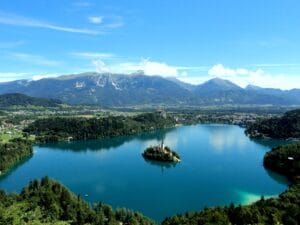
A medieval church on a tiny island in a glacial lake surrounded by Julian Alps peaks and topped with a clifftop castle — Lake Bled looks like a Disney set designer went overboard. Rent a rowboat for 20 EUR per hour and row to the island, climb the 99 steps to the Church of the Assumption, and ring the wishing bell. The pletna traditional boat ride costs 18 EUR return with 30 minutes on the island. Walk the 6-kilometre lakeside path for constantly changing angles. The kremna rezina (cream cake) at the Park Hotel is a Bled tradition since 1953.

2. Hike the Julian Alps in Triglav National Park

Mount Triglav at 2,864 metres is Slovenia’s national symbol (it appears on the flag and coins) and summiting it is a rite of passage for Slovenians. The classic two-day route from Pokljuka includes an overnight in a mountain hut. For day hikers, the Vrsic Pass at 1,611 metres offers stunning alpine trails without the technical climbing. The Slemenova Spica trail from Vrsic delivers panoramic views in 90 minutes. Park entry is free. Mountain hut beds cost 20-35 EUR with half-board.

3. Walk Through Ljubljana’s Car-Free Old Town

Slovenia’s capital banned cars from the city centre in 2007 and never looked back. The result is a pedestrian paradise of cafe-lined riverbanks, the Triple Bridge designed by Joze Plecnik, the hilltop Ljubljana Castle (funicular 6 EUR return), and Metelkova — a former military barracks turned into an art commune with bars, clubs, and murals. The Central Market along the Ljubljanica River sells fresh produce and prepared foods. Friday’s Open Kitchen food market (March-October) serves dishes from top restaurants for 5-10 EUR per plate.

4. Explore the Postojna Cave and Predjama Castle

Postojna Cave is the world’s most visited karst cave — a 24-kilometre underground system explored by a miniature electric train that carries visitors deep inside before a walking tour through cathedral-sized chambers of stalactites and stalagmites. The cave is home to the olm, a blind salamander called the human fish. Entry is 29.90 EUR including the train. The nearby Predjama Castle, built into a 123-metre cliff face above a cave entrance, looks like something from Game of Thrones. A combined ticket is 41.90 EUR.

5. Kayak or Raft the Emerald Soca River

The Soca River in the Julian Alps is the most beautiful river in Europe — its water is an unreal shade of emerald green caused by limestone dissolved from the riverbed. Kayaking and rafting from Bovec through the Soca Gorge, where the river squeezes between narrow limestone walls, is world-class whitewater. Half-day rafting trips cost 40-55 EUR. For calmer water, the stretch from Srpenica to Trnovo is gentle enough for beginners. The Great Soca Gorge trail at the headwaters is a free 1-hour hike through the narrowest sections.

6. Swim in Lake Bohinj

Bled’s larger, quieter, and arguably more beautiful neighbour sits deeper in the Julian Alps with no island or castle but stunning mountain surrounds and water clean enough to drink. Swimming from the gravel beaches is free. The cable car to Vogel ski area above the lake costs 23 EUR return and offers the most panoramic alpine views in Slovenia. The Savica Waterfall hike (30 minutes from the car park, 3 EUR entry) is a must. Bohinj is the base for serious hiking into the Triglav peaks.

7. Wine Taste in Goriska Brda

Slovenia’s premier wine region near the Italian border produces exceptional orange wines (macerated whites), rebula (ribolla gialla), and merlot in a landscape of rolling hills, medieval villages, and vineyard-draped terraces that looks exactly like Tuscany. The village of Smartno is a fortified hilltop gem. Wineries like Kabaj, Klet Brda, and Simcic offer tastings from 15-25 EUR. The annual Cherry Festival in June celebrates both the fruit and the wines. Combine with lunch at Brda’s excellent osterie.

8. Walk the Vintgar Gorge

This 1.6-kilometre wooden boardwalk trail follows the Radovna River through a narrow limestone gorge with jade-green pools, waterfalls, and rapids, ending at the 16-metre Sum waterfall. Entry is 10 EUR. The gorge is 4 kilometres from Lake Bled and accessible by bus or a pleasant walk through the village of Gorje. Go early morning (before 9 AM) or in the late afternoon to avoid the tour group crush. The gorge is open April through November. The autumn colours along the canyon walls are spectacular.

9. Visit the Venetian Town of Piran

Slovenia’s tiny 47-kilometre Mediterranean coastline is anchored by Piran — a walled Venetian town on a narrow peninsula with a campanile modeled on the one in Venice, terracotta roofs cascading to the harbour, and Tartini Square named after the violinist who was born here. The walk along the old town walls to the Cathedral of St. George offers views to Italy and Croatia. Sea salt from the Secovlje salt pans is harvested by hand and sold in local shops. Fish restaurants along the harbour serve fresh Adriatic catch from 12-20 EUR.

10. Explore the Skocjan Caves

While Postojna gets more visitors, the Skocjan Caves are the more dramatic experience — a UNESCO World Heritage underground canyon 150 metres deep with a river thundering through chambers so large they contain their own weather systems. The bridge across the underground canyon at 45 metres above the river is genuinely heart-stopping. Entry is 28 EUR for the guided tour. The caves are less crowded than Postojna and the scale is more impressive. The Cerkvenik Bridge crossing is one of the most memorable moments in Slovenian travel.

11. Ride the Lipica Stud Farm

The Lipica stud farm, founded in 1580, is the original home of the famous Lipizzan horses — the white horses of the Spanish Riding School in Vienna were bred here. Tours of the stables and a classical dressage performance cost 18-25 EUR. Riding lessons on Lipizzans are available for experienced riders from 45 EUR. The farm is set in a karst landscape with walking trails through ancient oak groves. The foals are born dark and gradually turn white over seven to ten years.

12. Eat at an Alpine Dairy Farm

Mountain dairy farms (planine) across the Julian Alps welcome visitors for meals of fresh cheese, sour milk, buckwheat dishes, and struklji (rolled dumplings). The Velika Planina high plateau above Kamnik has a village of traditional herders’ huts accessible by cable car (23 EUR return) where you can buy fresh cheese directly from the farmers. The Bohinj valley has several tourist farms serving multi-course traditional meals for 20-30 EUR. The combination of alpine scenery and farm-fresh food is quintessentially Slovenian.

Practical Tips for Slovenia

Check our full Slovenia travel guide for detailed tips on transport, safety, money, and the best time to visit. For food recommendations beyond this list, see our Slovenia food guide.

Frequently Asked Questions

What are the top things to do in Slovenia?

The must-do experiences include Row to the Island on Lake Bled, Hike the Julian Alps in Triglav National Park, and Kayak or Raft the Emerald Soca River. Slovenia also offers incredible food, vibrant culture, and unforgettable landscapes.

How many days do you need in Slovenia?

We recommend at least 3 to 5 days to cover the highlights, though a week lets you explore at a relaxed pace and add day trips.

Is Slovenia safe for tourists?

Slovenia is generally safe for tourists who take normal precautions. Stay aware of your surroundings in crowded areas and keep valuables secure.

Honest travel guides, monthly. First-hand. No spam.
Browse every page | Travel library | Compare destinations | XML sitemap