
Last updated September 8, 2026 · Editorial policy
Quick take: Every travel blog says the same thing about when to visit Estonia. Most of it is copy-pasted from tourism boards. Here’s what actually matters. Late spring and early autumn give you Tallinn medieval old town and Pärnu beach in mild weather without peak July crowds. Midsummer (June 23-24) is the cultural highlight if you can be in the countryside for bonfires.
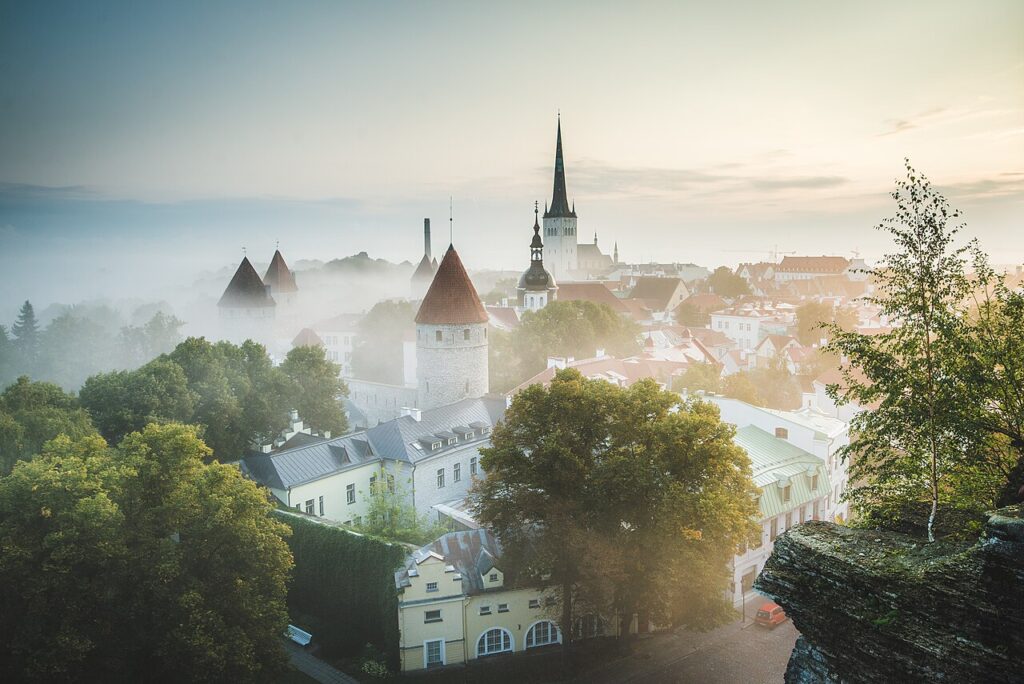
Estonia is the most digital and forward-looking of the three Baltic countries, and Tallinn is one of Europe’s loveliest medieval old towns. The seasons are continental — bitter winters, brief summers — but each has its own genuine appeal. Here is when to go.
Best time to visit Estonia: at a glance
Short answer: June to August for warm days and white nights.
| Season | Months | What to expect |
|---|---|---|
| Peak | Jul–Aug | Warmest, long days, festivals; busiest & priciest |
| Shoulder (best value) | May–Jun, Sep | Mild, fewer crowds, pleasant |
| Low | Nov–Mar | Cold, short days; quiet |
Best months to visit Estonia
Late spring and early autumn give you Tallinn medieval old town and Pärnu beach in mild weather without peak July crowds. Midsummer (June 23-24) is the cultural highlight if you can be in the countryside for bonfires.
Month-by-month overview
When to avoid Estonia
October-November is gloomy with limited daylight and most outdoor festivals over. January-February are cold but the Christmas market lingers into early January and the snowy old town is genuinely magical.
Key events and festivals
- Jaanipäev (Midsummer) (June 23-24): Estonia biggest non-religious holiday; bonfires, all-night gatherings in the countryside.
- Tallinn Old Town Days (Late May / early June): Medieval reenactments, knights, music, costumes — fully takes over the Old Town.
- Estonian Song Festival (Every 5 years (next: 2029)): Up to 30,000 singers perform together; one of UNESCO masterpieces of oral heritage.
- Tallinn Christmas Market (Late November – January 7): Town Hall Square market — among the most atmospheric and underrated in Europe.
A local planning note
If you want to experience real Estonian midsummer (Jaanipäev), head to Saaremaa island for June 23. Cities essentially empty out — everyone goes to the countryside for bonfires, sauna, and beer. The atmosphere is part folk ritual, part midsummer party, and entirely unlike anything else in Europe.
The Honest Verdict: Skip Peak July, Book the September Sweet Spot
The calendar peak is July, and the numbers explain why: afternoon highs sit around 24C, the overall daily average lands near 18C, and the day still runs roughly 18 hours of light at the start of the month. That is also when Tallinn’s Old Town is busiest and dearest. My pick for the better trip is the late-summer shoulder, specifically the first half of September, when mid-range Old Town hotels tend to run about 80-120 EUR a night against roughly 120-180 EUR at the July peak, while the museums, restaurants, and ferries all still operate on full summer schedules.
What each window actually delivers:
- Early June: Tallinn Old Town Days fills the squares with hundreds of free events, and daylight is already long without the July price spike.
- Around 23-24 June: Jaanipaev (Midsummer) near the solstice, when the night never fully darkens and most locals leave the city for bonfires.
- September: highs easing from August’s roughly 22C, thinner crowds, and early autumn colour.
Avoid December. It is the darkest and coldest month, with about six hours of daylight, the least sunshine of the year, and highs hovering near 0C, so the Christmas-market charm comes wrapped in long, grey afternoons.
Frequently asked questions
When is the cheapest time to visit Estonia?
November and early-to-mid January have the cheapest flights and Tallinn hotels — often 40% below summer rates.
Is Tallinn worth visiting in winter?
Yes — Old Town in snow is unforgettable, and the Christmas market (late November to early January) is one of Europe most underrated. Pack proper layers (-5°C is normal).
How long should I spend in Estonia?
3-4 days for Tallinn alone; a week to add Tartu (university town), Saaremaa island, and a forest hike in Lahemaa National Park.
When are white nights in Estonia?
Mid-June through early July — sun barely sets, sky stays light until midnight. Locals celebrate at Jaanipäev.
Are the Baltic Sea beaches swimmable?
Yes in July and August — water reaches 18-22°C. Pärnu is the local favourite; Saaremaa beaches are quieter.
Plan your Estonia trip
You Might Also Love




Written by
John Morrison is the founder and lead travel writer at Packzup. Over the past decade he has explored destinations across Africa, the Americas, Asia, Europe, the Middle East, and Oceania — always self-funded, never on a press trip.
