June is Tokyo’s rainy season, the only month in the Japanese calendar with no public holiday at all, and – precisely because of both – one of the best-value months to visit. The tsuyu typically sets in around 7 June and runs to about 19 July in the Tokyo region, bringing 170 mm of rain across roughly thirteen days, 26°C highs and rising humidity. What you get in exchange is a city with no domestic holiday crowd and hotel rates well below the summer.
What the rainy season is actually like
Tsuyu – “plum rain”, named for the season when Japanese plums ripen – is not a monsoon. It is a stalled front that parks over the archipelago and produces long grey stretches, drizzle, sudden heavy bursts and high humidity, interrupted by perfectly good days. The Japan Meteorological Agency declares its start and end each year; for the Kanto-Koshin region that includes Tokyo, the long-run averages are about 7 June to about 19 July.
The numbers: 170 mm of rain across about thirteen days, highs near 26°C and lows near 19°C. That is the highest count of rainy days in the Tokyo year, but not the highest volume – September and October are wetter overall, because that is when typhoons arrive.
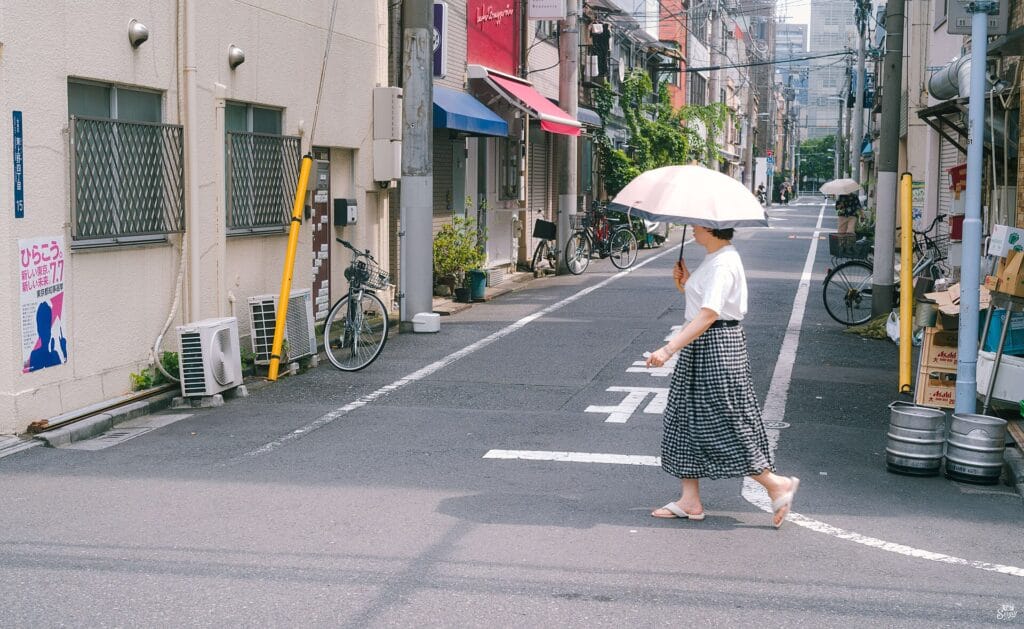
Crucially, Tokyo is an unusually rain-proof city. Whole districts connect underground, the shopping streets are covered, every convenience store sells a clear plastic umbrella for a few hundred yen, and buildings have umbrella stands and lockers at the door. Rain changes the texture of a Tokyo day; it rarely cancels one.
The month with no public holiday
June is the only month of the Japanese year without a single public holiday. The effect on a visitor is entirely positive: no domestic travel surge, no three-day-weekend pricing, no crush at the day-trip destinations. Combined with the school year still being in session, it makes June one of the two quietest months at the major sights – the other being February.
It is also cheap. Flights and hotels sit between the Golden Week spike and the late-July summer-holiday rise, and the mid-May to mid-June stretch is the best price-to-weather ratio in the Tokyo calendar. The Tokyo travel budget has the daily numbers.
Hydrangeas: the flower the rain is for
Ajisai, the hydrangea, is June’s answer to the cherry blossom, and it is better in the rain – which is the whole point. The season runs from roughly the second week of June into early July.
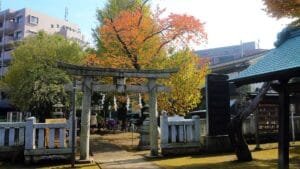
- Hakusan Shrine, Bunkyo – around three thousand plants and a festival in the middle of the month, in a small shrine and the neighbouring park.
- Sumida Park and the Sumida riverside – a long, easy walk with the Skytree behind.
- Meigetsu-in and Hasedera in Kamakura – the famous ones, an hour from Tokyo, and correspondingly busy at the weekend. Go on a weekday, early.
- Takahata Fudoson in western Tokyo – large, and far less visited than the Kamakura temples.
Irises, and the gardens that peak now
Early June is iris season. The inner garden at Meiji Jingu – a separate paid section inside the free shrine grounds – holds around 1,500 iris plants and peaks in the first half of the month, and Horikiri Shobuen in Katsushika is the specialist garden for them. Both are at their best in soft grey light, which June supplies generously.
What to do when it is actually raining
Tokyo’s wet-weather options are better than most cities’ dry-weather ones:
- The museum cluster in Ueno – the Tokyo National Museum alone can absorb half a day.
- Department-store basements in Ginza, Shinjuku and Nihonbashi, which are food halls of a standard that does not exist elsewhere.
- The underground cities beneath Tokyo, Shinjuku and Shibuya stations, where you can cross several blocks without surfacing.
- Covered shotengai – the old shopping streets in Togoshi, Musashi-Koyama and Jujo, most of them roofed end to end.
- Digital art museums and aquariums, which are indoors by definition and are at their least crowded on a wet weekday.
What does not work: a day built around parks, long river walks, or a Mount Fuji sighting. June is the haziest month for long views, and the mountain is usually invisible from the city.
What to wear and carry
Humidity, not cold, is the problem. Quick-drying fabrics, shoes that survive a soaking and dry overnight, and a light layer for aggressively air-conditioned interiors. A folding umbrella is worth carrying; if you forget, a convenience store is never far and the clear plastic umbrella is a national institution. Waterproof jackets are less useful than they sound at 26°C and 80 per cent humidity – you will be wet either way, from the inside.
What has not started yet
- Mount Fuji climbing. The official season opens on 1 July. In June the trails are closed and the huts are shut.
- The summer fireworks. Tokyo’s hanabi season is late July and August; the Sumida River festival is the last Saturday of July.
- Beer gardens and rooftops open through June but come into their own once the rains lift.
Day trips in June
Kamakura for the hydrangea temples, understanding that they are the one crowded thing in an uncrowded month. Nikko, which is green and full of water and takes rain well. Hakone works, though the Fuji view is a lottery you will usually lose. Anything that depends on a long clear view – the Fuji Five Lakes, the Izu coast – is better saved for autumn or winter. Day trips from Tokyo has the routes and travel times.
The June 2027 calendar
- Around 7 June – the Japan Meteorological Agency typically declares the start of the Kanto rainy season.
- First half of June – irises at Meiji Jingu’s inner garden and Horikiri Shobuen.
- Mid-June – hydrangea season and the Hakusan Shrine festival in Bunkyo.
- All month – no public holidays: no domestic travel surge and no holiday pricing.
- Late June – nagoshi no harae purification rituals at shrines at the end of the month, marking the year’s halfway point.
Read alongside
- Tokyo in May – the best weather of the year, and the Golden Week trap.
- Tokyo in July – when the rains lift and the fireworks start.
- Best time to visit Tokyo – all twelve months compared.
- Tokyo travel budget – what a day actually costs.
- Where to stay in Tokyo – being able to walk home matters more in the rain.
- Getting around Tokyo – the underground routes that keep you dry.
- What to pack for Japan – the humid-weather list.
Frequently asked
Is June a bad time to visit Tokyo?
It is the rainy season, but it is not a washout. Rain falls on about thirteen days out of thirty, mostly as grey stretches and short heavy bursts, and Tokyo is unusually well set up for it. In exchange you get no public holidays, no domestic crowd, and some of the lowest prices of the year. For an indoor-leaning trip it is a good month.
When is the rainy season in Tokyo?
On the long-run average, the Kanto region’s tsuyu begins around 7 June and ends around 19 July. The Japan Meteorological Agency announces the actual start and end each year, and both can move by a week or more.
How hot is Tokyo in June?
Highs average about 26°C and lows about 19°C, with roughly 170 mm of rain across thirteen days. The heat is manageable; the humidity is the part people underestimate.
Are there public holidays in Japan in June?
None. June is the only month of the Japanese year without one, which is a large part of why it is quiet and cheap.
Where are the best hydrangeas in Tokyo?
Hakusan Shrine in Bunkyo, the Sumida riverside and Takahata Fudoson within the city; Meigetsu-in and Hasedera in Kamakura for the famous ones, which are busy at weekends. The season runs from about the second week of June into early July.
Can you climb Mount Fuji in June?
No. The official season opens on 1 July. Before that the trails are closed and the mountain huts are shut.
Can you see Mount Fuji from Tokyo in June?
Rarely. June is among the haziest months of the year for long views; winter is the season for that.
Is June cheap in Tokyo?
Yes, relative to the rest of the year. It sits between the Golden Week spike and the late-July summer rise, with no holiday weekends to inflate rates. Mid-May to mid-June is the best price-to-weather window in the Tokyo calendar.
You Might Also Love


Written by
John Morrison is the founder and lead travel writer at Packzup. Over the past decade he has explored destinations across Africa, the Americas, Asia, Europe, the Middle East, and Oceania — always self-funded, never on a press trip.