
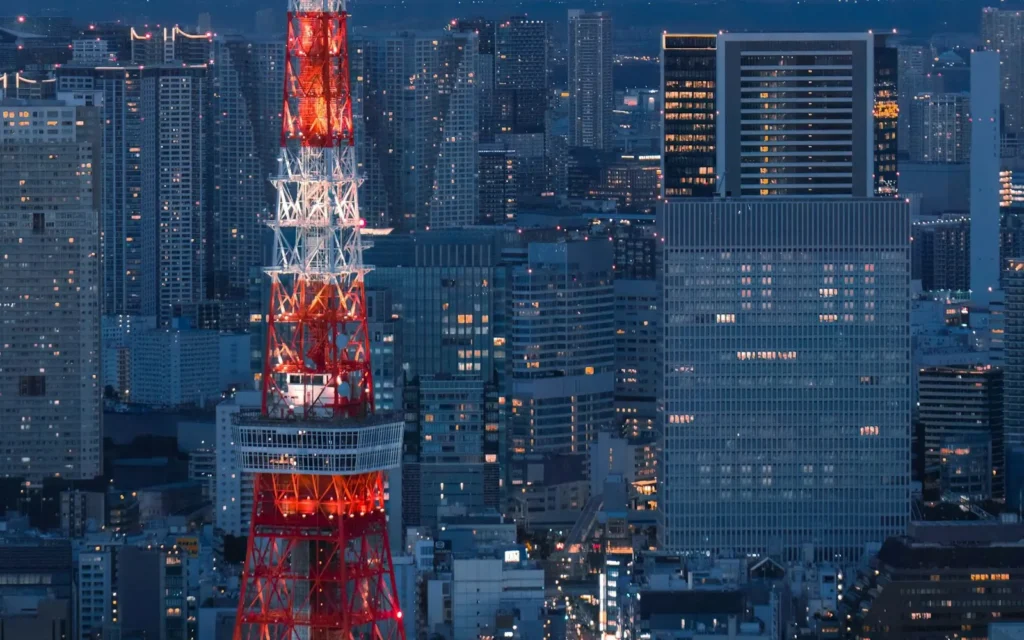
Tokyo in February is the cheapest month of the Japanese year and the last one before cherry-blossom pricing arrives. Highs sit near 11°C, rain falls on about six days, the air is still dry enough for clear Mount Fuji views, and the plum blossom – which nobody flies in for and which is arguably the better flower – opens in the second half of the month.
The case for the least popular month
February is the low point of the Japanese travel calendar: the New Year rush is over, the cherry-blossom rush has not started, and domestic travel is at its quietest. That shows up in every price you pay. Flights into Tokyo, hotel rates and even the queues at the famous ramen shops are at their most forgiving, and the city is running completely normally – nothing is closed for the season, unlike the first days of January.
What you give up is warmth and length of day. It is a coat month, and by 17:30 it is dark. If your plan is museums, food, neighbourhoods, shopping and day trips, that costs you almost nothing. If your plan is gardens and long outdoor days, wait for April.
Weather: marginally milder, still dry
February averages a high near 11°C and a low near 2–3°C, with about 55 mm of rain over roughly six days. It is the second-driest month after January, humidity stays low, and the sun is out most days. The cold is dry and sharp rather than damp, and the wind off Tokyo Bay does most of the damage.
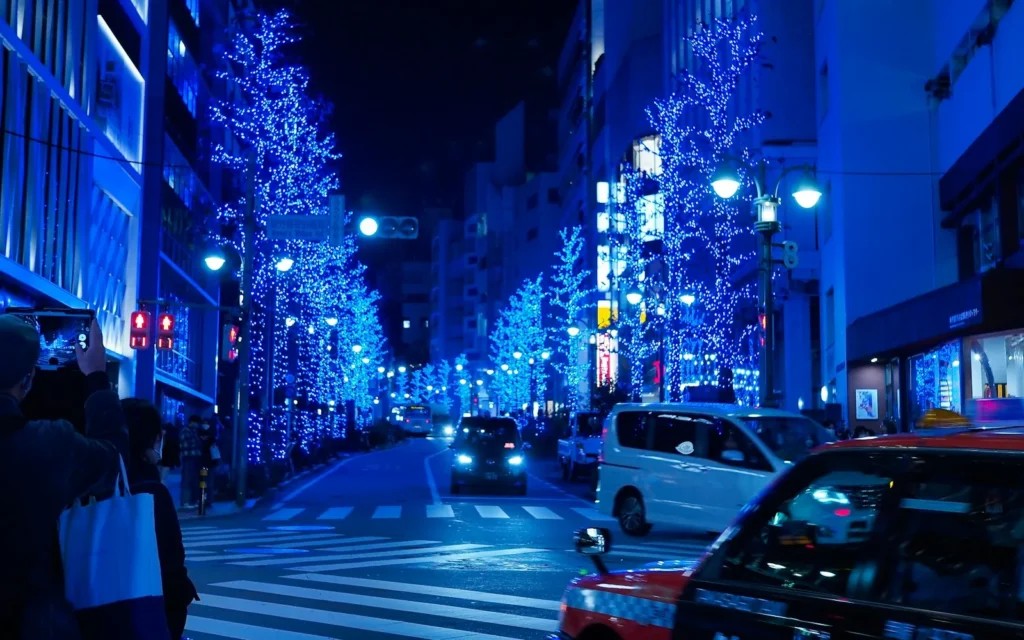
Snow is possible – February is the likelier of the two winter months for it in Tokyo – and a few centimetres is enough to slow the trains badly. It rarely lasts more than a day.
The compensation is visibility. Along with December and January, February gives the clearest long views of the year, which means Mount Fuji from central Tokyo is a realistic plan rather than a lottery. The free observatories at the Tokyo Metropolitan Government Building in Shinjuku and the Bunkyo Civic Center both face west; go early in the day.
Plum blossom: the flower nobody queues for
Ume, the plum blossom, opens from about mid-February and runs into early March – roughly a month ahead of the cherries. It is more fragrant, it lasts far longer on the branch, and the gardens that show it are empty by comparison.
Where to see it in Tokyo: Yushima Tenjin in Bunkyo, whose plum festival runs from early February into early March and is the best-known in the city; Hanegi Park in Setagaya, with hundreds of trees and a festival across February; and the Koishikawa Korakuen and Kyu-Shiba-rikyu gardens for a quieter version. Exact festival dates are set each January, so check before building a day around one.
Setsubun, and the bean-throwing
Setsubun marks the last day of winter in the old calendar and falls on 2 or 3 February depending on the year – it tracks a solar term rather than a fixed date, so confirm it before you plan around it. Temples and shrines hold mamemaki, a bean-throwing ritual to drive out bad luck, and the big ones – Senso-ji in Asakusa, Zojo-ji near Tokyo Tower, Ikegami Honmon-ji – bring in sumo wrestlers and television personalities to throw the beans into the crowd.
It is loud, free, extremely crowded for about forty minutes, and one of the more genuinely local things a visitor can stand in the middle of. Arrive an hour early for a position at a major temple, or go to a neighbourhood shrine and watch the same ritual with fifty people.
Valentine’s Day works differently here
14 February 2027 falls on a Sunday. In Japan, Valentine’s Day is the day women give chocolate – honmei-choco to a partner, giri-choco as an obligation to colleagues – and men reciprocate a month later on White Day, 14 March.
For a visitor the relevant part is the retail spectacle. From late January the department store basements in Ginza, Shinjuku and Ikebukuro turn over entire floors to chocolate fairs, with chocolatiers flown in from Europe and queues to match. Isetan Shinjuku’s is the largest. Even if you buy nothing, it is one of the more revealing hours you can spend in a Japanese department store.
Two public holidays
- Thursday 11 February 2027 – National Foundation Day (Kenkoku Kinen no Hi). Offices and schools closed; shops, restaurants and trains normal.
- Tuesday 23 February 2027 – the Emperor’s Birthday. Also a public holiday. In most years the Imperial Palace grounds open for a public greeting on this date; the arrangements are announced by the Imperial Household Agency a few weeks ahead and registration has been required in recent years, so check rather than turn up.
Neither creates a long weekend in 2027 – one falls on a Thursday, the other on a Tuesday – which is good news: domestic travel stays low and prices stay flat.
What February is best for
The indoor city, and it is a very good indoor city. The museums in Ueno, the Edo-Tokyo architecture collections, the department-store food halls, Tsukiji’s outer market on a cold morning, the second-hand bookshops in Jimbocho, the covered shotengai shopping streets in Yanaka, Togoshi and Musashi-Koyama.
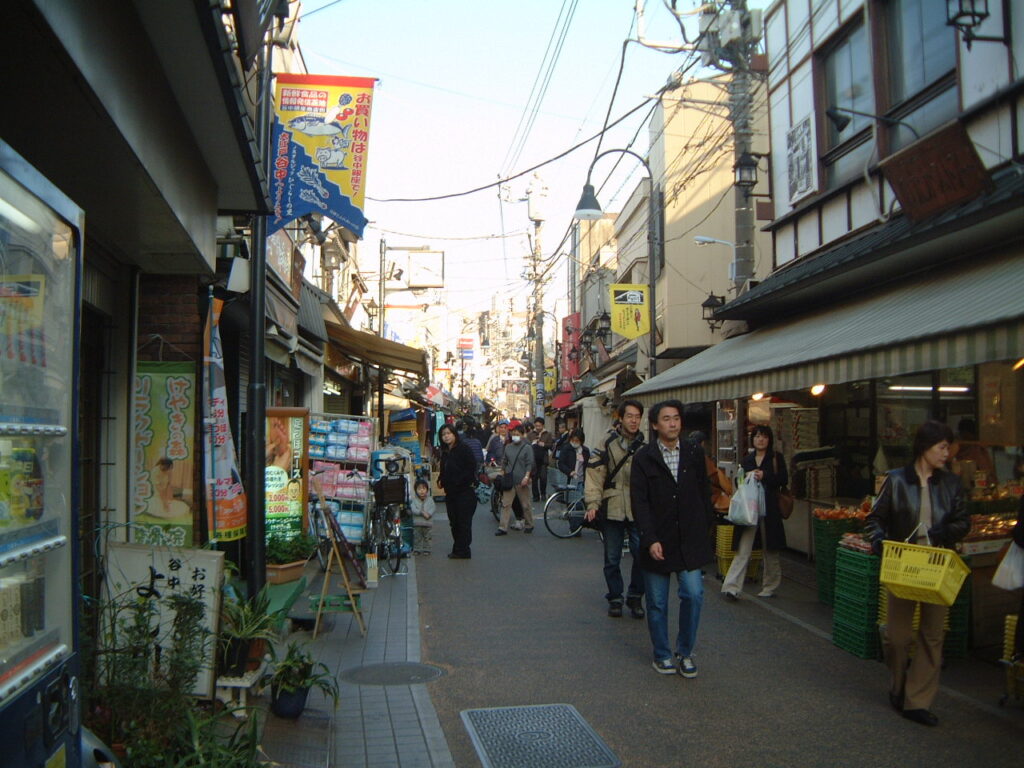
Winter food is still in season: nabe hotpot, oysters, crab, oden from the tray beside the convenience-store till. And the onsen day trips – Hakone above all – are at their best when the air is cold enough to make an outdoor bath feel like the point of the trip.
What to wear
A proper winter coat, layers you can strip off indoors, and gloves. Heating indoors and on trains is aggressive, so a single thick garment is worse than three thin ones. Shoes you can slip on and off without sitting down will save you time every day in a country where you take them off constantly.
Prices, and the cherry-blossom cliff
February is the cheapest month of the year to fly to Japan and among the cheapest to sleep in Tokyo. That ends abruptly: from the middle of March, cherry-blossom demand lifts flights and hotels sharply and holds them high through early April.
If your dates are flexible and price matters more than flowers, the last week of February and the first week of March sit on the right side of that line – and the plum blossom is out. See the Tokyo travel budget for what a day costs on the ground.
The February 2027 calendar
- 2 or 3 February – Setsubun; bean-throwing at Senso-ji, Zojo-ji and shrines across the city. Confirm the date, it moves.
- Early February to early March – plum-blossom festivals at Yushima Tenjin and Hanegi Park.
- Thursday 11 February – National Foundation Day, a public holiday.
- Sunday 14 February – Valentine’s Day; department-store chocolate fairs run from late January.
- Tuesday 23 February – the Emperor’s Birthday, a public holiday.
- Late February – the last of the cheap weeks before cherry-blossom pricing.
Read alongside
- Tokyo in January – the New Year shutdown and the clearest Fuji views.
- Tokyo in March – the cherry blossom, and the gamble on timing.
- Best time to visit Tokyo – all twelve months compared.
- Tokyo travel budget – what a day actually costs.
- Where to stay in Tokyo – choosing a base.
- Day trips from Tokyo – including the winter onsen runs.
- What to pack for Japan – the winter list.
Frequently asked
Is February a good time to visit Tokyo?
Yes, if you are happy with a coat. It is the cheapest month of the year for flights and hotels, the city is running normally, the air is clear enough for reliable Mount Fuji views, and the plum blossom opens in the second half. It is a poor month for gardens, long outdoor days and anything that depends on warmth.
How cold is Tokyo in February?
Highs average about 11°C and lows about 2–3°C, with roughly 55 mm of rain across six days. It is dry, sunny cold rather than damp grey, but the wind makes it feel colder than the numbers.
Does it snow in Tokyo in February?
Sometimes – February is the likelier of the two winter months for snow in Tokyo. It is usually a few centimetres, it rarely lasts beyond a day, and it disrupts trains and flights out of proportion to the amount.
When is the plum blossom in Tokyo?
From about mid-February into early March, roughly a month ahead of the cherry blossom. Yushima Tenjin and Hanegi Park hold the best-known festivals; both are far less crowded than any cherry-blossom spot.
What is Setsubun?
The old-calendar end of winter, on 2 or 3 February depending on the year. Temples hold mamemaki, throwing roasted soybeans into the crowd to drive out bad luck; the large temples invite sumo wrestlers and television personalities to do the throwing.
Are there public holidays in Japan in February 2027?
Two: National Foundation Day on Thursday 11 February and the Emperor’s Birthday on Tuesday 23 February. Neither creates a long weekend in 2027, so domestic travel stays quiet.
Is February the cheapest month to visit Tokyo?
It is generally the cheapest month to fly to Japan and among the cheapest for Tokyo hotels. Prices rise sharply from the middle of March as cherry-blossom demand arrives.
Can you see Mount Fuji from Tokyo in February?
Often. Winter’s dry, cold air gives the clearest sightlines of the year, and the free west-facing observatories at the Tokyo Metropolitan Government Building and the Bunkyo Civic Center are the easiest places to try. Go in the morning.
You Might Also Love



Written by
John Morrison is the founder and lead travel writer at Packzup. Over the past decade he has explored destinations across Africa, the Americas, Asia, Europe, the Middle East, and Oceania — always self-funded, never on a press trip.
