
Last updated September 1, 2026 · Editorial policy
Japan itineraries by trip length
Still deciding? Compare: Japan vs Singapore · Japan vs South Korea
7-Day Japan Itinerary: A Day-by-Day Travel Plan
Quick answer: This 7-day Japan itinerary covers the must-see highlights without rushing, with detailed day-by-day plans, restaurant recommendations, and budget guidance.
Best for: first-timers who want the Tokyo-Kyoto golden route at a brisk pace, mixing temples, food streets, and neon nightlife over seven full days.
Planning a 7-day trip to Japan? This itinerary is built from a first-time-visitor perspective: hit the icons, eat the best food, and finish with one or two memorable experiences locals would recommend. Each day mixes a major sight, food stops, and downtime — no death marches, no missing highlights.
Japan Itinerary at a Glance
| Day | Focus |
|---|---|
| Day 1 | Land in Tokyo |
| Day 2 | Old & New Tokyo |
| Day 3 | Hakone & Mt. Fuji |
| Day 4 | Bullet Train to Kyoto |
| Day 5 | Arashiyama & Gion |
| Day 6 | Nara Day Trip |
| Day 7 | Osaka Finale |
Day-by-Day Itinerary
Day 1 — Land in Tokyo
Most US nonstops from the West Coast land at Haneda or Narita in the afternoon — before you fly, complete Visit Japan Web for a quick QR entry (US citizens get a 90-day visa waiver). From Haneda, the Keikyu Line reaches central Tokyo in about 30 minutes for roughly ¥500 (about $3.50); from Narita, budget 60–90 minutes on the N’EX. Grab a rechargeable Suica or Pasmo IC card at the station to tap through every train. Settle into a base around Shinjuku or Shibuya, then shake off jet lag with an early-evening walk through the neon lanes of Omoide Yokocho, a cluster of tiny yakitori stalls beside Shinjuku Station. Order skewers and a beer for about ¥2,000 (roughly $14). Planning note: tipping is not customary anywhere in Japan — excellent omotenashi service is simply expected, so a genuine thank-you is all that is needed.
Day 2 — Old & New Tokyo
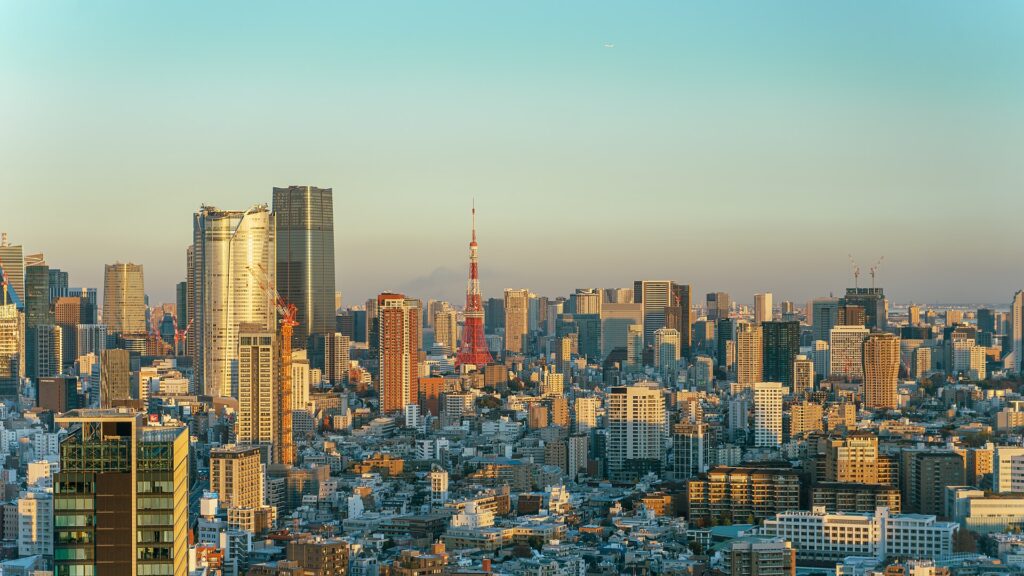
Beat the crowds at Senso-ji, Tokyo’s oldest temple, arriving by 8am when the Nakamise shopping street is quiet; the temple grounds are free and open around the clock. Take the Ginza subway line, then transfer toward Harajuku for Meiji Jingu, a serene forested Shinto shrine also free to enter. Afternoon belongs to the crossings and lights: watch the choreographed chaos of Shibuya Scramble Crossing from the second-floor Starbucks or the Shibuya Sky deck (book Sky tickets online in advance, about ¥2,500 / roughly $17). If you enjoy immersive art, reserve a timed slot at teamLab Planets in Toyosu, where you wade barefoot through knee-deep water rooms (around ¥3,800 / about $26). For dinner, try a bowl of ramen or a conveyor-belt sushi spot — expect ¥1,200–2,500. Planning note: single-ride subway fares are cheap, so a day pass rarely pays off.
Day 3 — Hakone & Mt. Fuji
Take an early Odakyu Romancecar from Shinjuku toward Hakone-Yumoto (about 85 minutes, roughly ¥2,500 / about $17), then loop the mountains on the classic Hakone circuit. Ride the switchbacking Hakone Tozan Railway up to Gora, a cable car to Sounzan, then the Hakone Ropeway soaring over the steaming volcanic vents of Owakudani. Up top, buy the sulfur-blackened kurotamago (black eggs boiled in the hot springs) — a pack of four is about ¥500 (roughly $3.50) and folklore says each adds seven years to your life. Descend to Lake Ashi and cross aboard a replica pirate ship, watching for Mt. Fuji on clear mornings. A Hakone Free Pass (around ¥6,100 from Shinjuku / about $42) covers the whole loop. Planning note: the ropeway closes for maintenance some weeks in January and February, so check the schedule before you commit to the crossing.
Day 4 — Bullet Train to Kyoto
Return to Tokyo Station and board the Tokaido Shinkansen to Kyoto — the Nozomi covers roughly 300 miles in about 2 hours 15 minutes, with a reserved seat around ¥14,370 (about $99). Sit on the right (D/E seats) for a fleeting Mt. Fuji view soon after departure. Drop bags near Kyoto Station, then head to Fushimi Inari Taisha, two minutes from JR Inari Station (5 minutes, about ¥150 from Kyoto). Admission is free and the shrine never closes, so arrive late afternoon as day-trippers thin out and hike the tunnels of vermilion torii gates up the hillside. Wander back down for dinner in the lantern-lit lanes of Gion, Kyoto’s geisha district. Planning note: skip photographing geiko and maiko up close — private streets here now fine tourists for harassing them; admire respectfully from public roads instead.
Day 5 — Arashiyama & Gion
Ride the JR San-in Line or Randen tram west to Arashiyama, arriving early to walk the Bamboo Grove before tour buses fill the path (free, best light before 9am). Nearby, the Zen garden of Tenryu-ji charges about ¥500 (roughly $3.50) and frames the borrowed scenery of the surrounding hills beautifully. Cross the Togetsukyo Bridge over the Hozu River, then take the train back toward central Kyoto for the golden pavilion of Kinkaku-ji (admission about ¥500) or the vast wooden veranda of Kiyomizu-dera (about ¥400), whose sloping approach streets brim with pottery and matcha shops. Lunch on Kyoto’s specialty yudofu (simmered tofu) or a bowl of hearty udon for around ¥1,500 (about $10). Planning note: Kyoto’s city buses get packed and slow — for temple-hopping, a taxi split between two or three people is often faster and only modestly more.
Day 6 — Nara Day Trip
Nara sits under an hour from Kyoto — take the JR Nara Line (about 45 minutes) or the Kintetsu Line, which drops you closer to the sights. Walk into Nara Park, where more than a thousand freely roaming sika deer, protected as a national treasure, will bow for a cracker; buy shika senbei from park vendors for about ¥200 (roughly $1.50) and feed them promptly rather than teasing. The park is free. At its heart, Todai-ji houses the monumental bronze Great Buddha inside one of the world’s largest wooden halls; admission runs about ¥800 (roughly $5.50). Climb the stone-lantern path to Kasuga Taisha, a moss-and-vermilion Shinto shrine tucked in the forest. Planning note: the deer are wild animals, not petting-zoo props — keep food out of sight until you are ready to give it, as they nip bags and pockets.
Day 7 — Osaka Finale
On your final day, base yourself in Osaka, a quick 15-minute Shinkansen hop or roughly 45 minutes on the local JR line from Kyoto. Spend the morning at Osaka Castle, where the reconstructed keep sits in a broad moated park; the museum interior costs about ¥1,200 (roughly $8; the fee doubled in 2025). For lunch, dive into the stalls of Kuromon Ichiba Market for grilled scallops, fresh sashimi, and skewers. By night, join the crowds beneath the glowing Glico running-man sign along the Dotonbori canal — this is the home of street food, so try takoyaki (octopus balls) and okonomiyaki (savory pancake) for a few hundred yen each. If you fly out of Kansai International Airport, the Nankai or JR Haruka reaches it in about 50 minutes for roughly ¥1,200–1,700 (about $8–12). Planning note: an eSIM bought before you leave the US saves hunting for airport SIM counters on arrival.
Where to Stay in Japan
Choose a central neighborhood within walking distance of major sights — you’ll save hours of commute time over 7 days. Book 6-12 weeks ahead for best rates.
Budget Breakdown (7 Days)
Japan is rated Pricey in our Travel Cost Index 2026. Figures are country-level daily ranges per person and exclude international flights.
| Travel style | Per day | Total 7 days |
|---|---|---|
| Budget | $55-100 | $385-700 |
| Mid-range | $180-300 | $1,260-2,100 |
| Luxury | $450-700 | $3,150-4,900 |
Source: Packzup Travel Cost Index 2026 — country-level averages; city and peak-season prices run higher. Excludes international flights.
What to Pack
- Clothing: Pack for the season — Tokyo and Kyoto run hot and humid in summer, near freezing in winter — plus a compact umbrella for frequent rain. Slip-on walking shoes help at temple halls like Tenryu-ji that require shoes off.
- Tech: Japan uses Type A plugs at 100V, so US devices work without adapters; download the GO taxi app and Google Maps, and add a Suica card to Apple Wallet.
- Documents: US passport holders currently enter Japan visa-free for stays up to 90 days — confirm current rules before booking. Register on Visit Japan Web for arrival QR codes, and carry the passport daily; Japanese law requires it, and tax-free shopping counters ask for it.
- Money: Japan runs on yen more than cards suggest — temple admissions, market stalls, and Nara’s deer-cracker vendors are often cash-only. Convenience-store ATMs (7-Eleven, Lawson) generally take US cards. Tipping is not customary anywhere; a thank-you covers it.
- Day bag: Carry a refillable bottle (tap water is safe), a hand towel for restrooms without dryers, coins for lockers and shrine offerings, and a bag for trash – bins are rare.
Tips for a 7-Day Japan Trip
- Book teamLab Planets and Shibuya Sky ahead: sunset slots vanish two to three weeks out, and Ghibli Museum tickets sell out within minutes of the monthly on-sale on the 10th.
- Build in buffer time: Jet lag off an 11–14 hour flight blunts days one and two, Hakone’s ropeway and Fuji views hinge on clear weather, and teamLab and Shibuya Sky sell timed slots — leave the hour after each booking empty.
- Eat where salarymen do: buy dinner at a depachika (department store basement food hall) after 7pm for markdowns, and order ramen at ticket-machine shops with lines of locals.
- Travel insurance: $40-100 for 7 days. Covers medical, theft, cancellations.
- Get connected: Install an eSIM like Ubigi or Airalo before you land, roughly 10-20 dollars for 10GB; airport SIM counters at Narita cost more, and free wifi is patchy outside stations.
Getting Your Flight and Routing Right (The American’s Guide)
Book a nonstop if you can. ANA, JAL, and United fly direct to Tokyo from West Coast hubs like LAX and San Francisco (roughly 11 to 12 hours of block time), while JFK runs around 14 hours. When you choose your flight, watch the airport: Haneda sits close to central Tokyo, about 13 to 20 minutes on the monorail, while Narita is 40 miles out and the Narita Express takes around 53 minutes. On a 7-day trip that gap matters, so pick a Haneda arrival when the fare is comparable.
Land early afternoon, drop your bags, and stay outdoors until a normal bedtime. Walking Asakusa or Shinjuku in daylight resets your body clock far better than a hotel nap that wrecks night one.
The routing mistake most Americans make is parking in Tokyo all week and day-tripping to Kyoto. The Shinkansen covers the roughly 450 km Tokyo to Kyoto run in about 2h15m on the Nozomi, but that is two of those rides in one day. Move west instead and sleep in Kyoto.
- Skip the Tokyo round-trips; base in Kyoto for nights 4 to 6, since Osaka is about 15 minutes away and Nara about 45 minutes by train.
- If you buy a JR Pass, note it is not valid on the Nozomi, so plan on the Hikari (about 2h40m) or pay the separate Nozomi fare.
Frequently Asked Questions
Is 7 days enough for Japan?
For first-time visitors, 7 days in Japan covers the main highlights without rushing. If you want to add day trips, slower pace, or hidden gems, plan 2-3 more days. 7 days is the minimum to feel you’ve truly seen Japan — anything less is a sampler.
How much will a 7-day Japan trip cost?
Using the Budget Breakdown table above, drawn from our Travel Cost Index 2026: Budget $55-100/day ($385-700 for 7 days), Mid-range $180-300/day ($1,260-2,100 for 7 days), Luxury $450-700/day ($3,150-4,900 for 7 days). Country-level averages, excluding international flights.
What’s the best time to do a 7-day Japan itinerary?
Shoulder seasons (just before/after peak) offer the best balance of weather, crowds, and price for Japan. Check the destination’s specific best-time guide for exact months. Avoid major local holidays which spike prices and crowd attractions.
How do I get around Japan?
Load a Suica card into Apple or Google Wallet and tap onto nearly every train, subway, and bus. For Tokyo to Kyoto, book Shinkansen seats through the SmartEX app; since the 2023 price hike the 7-day JR Pass rarely beats individual tickets, so price your route first. Google Maps handles transit routing well, and the GO app hails taxis where Uber is thin.
What should I pack for 7 days in Japan?
Pack slip-on shoes you can walk 15,000 steps a day in – you will remove them at temples, ryokan, and some restaurants. Keep luggage small: Shinkansen racks fit carry-on sizes and oversized bags need a reserved seat. Summers are brutally humid, so bring breathable layers and a compact umbrella.
Should I book hotels or use Airbnb in Japan?
For 7-day trips, hotels are usually better: easier check-in, daily housekeeping, no laundry expectations, included breakfast often. Airbnb/apartments make sense for stays of 5+ nights, families, or kitchen-focused travelers. Book central locations to save commute time.
Related Japan Travel Guides
- Best Things to Do in Japan
- Where to Stay in Japan
- Best Food in Japan
- Best Time to Visit Japan
- Japan Trip Cost Breakdown
📖 Read our Complete Travel Guide to Japan for the full picture.
You Might Also Love

Written by
John Morrison is the founder and lead travel writer at Packzup. Over the past decade he has explored destinations across Africa, the Americas, Asia, Europe, the Middle East, and Oceania — always self-funded, never on a press trip.
